《COURT!》 S1·E26 (07:50)
HSK 2
bú shì zhè dōu duō zhǎng shí jiān le
不是 这都多长时间了
“How long has it been?”
《COURT!》
S1·E26
TIMECODE: 07:50
·
1080P MASTER AUDIO
THE DIALOGUE REEL
[-1] PREVIOUS TURN
bà nín bié zháo jí
爸 您别着急
“Dad, please do not worry.”
bú shì zhè dōu duō zhǎng shí jiān le
CURRENT FOCUS
不是 这都多长时间了
“How long has it been?”
[+1] FOLLOW-UP TURN
shì a
是啊
“I know.”
Subtitles synced to millisecond timecode
Browse Show Clips →
Scene:
Family & Home
Function:
EXPRESSING IMPATIENCE
Tone:
AGITATED
Emotion:
IMPATIENCE
WHAT THEY REALLY MEAN (PRAGMATIC SUBTEXT)
“Don't tell me to calm down; something must be wrong if it is taking this long.”
💡 Cultural Insight: Conversational Connective '不是' (Busan)
Starting a sentence with '不是' in spoken Chinese does not mean literal negation, but acts as a conversational pivot to push back against a preceding remark with impatience.
INTENT TAGS:
#impatience
#pushback
#worry
#venting
🧩
1 CHUNKS · 1 PARTICLES
LEARNING CHUNKS & PARTICLES
多长时间了
SPOKEN CHUNK
how long has it been already?
Used rhetorically to emphasize that an excessive amount of time has elapsed.
Modal Particle「了」 (le)
CHANGE OF STATE
Indicates the ongoing accumulation of time up to the present moment, underscoring the excessive delay.
🏮
2 EXPR · 10 GRAMMAR
VOCABULARY & EXPRESSIONS
CROSS-CINEMA CORPUS BOARD · PARALLEL SCENES
EXPLORE BY SEMANTIC SIMILARITY
Parallel Spoken Cinema Scenes (语义近邻切片)
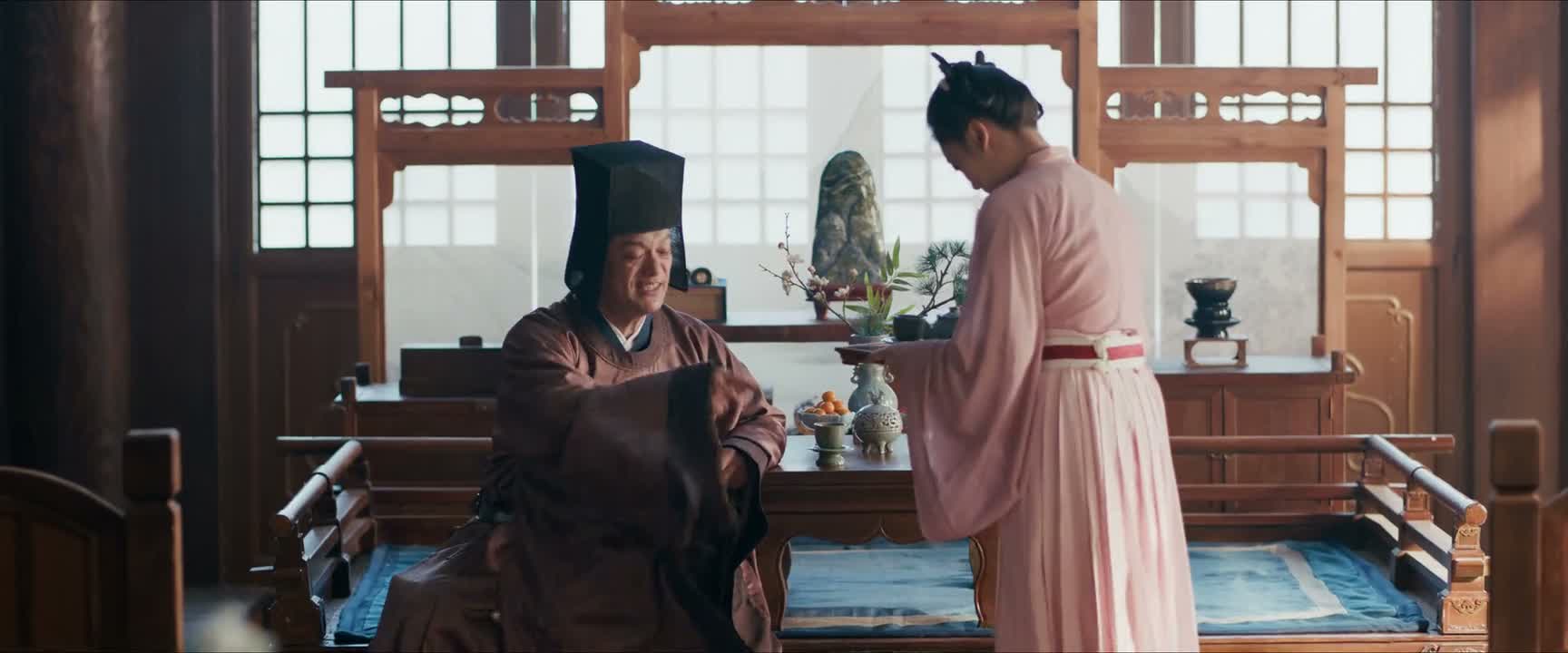


《COURT!》 S1·E26 (07:50) · Authentic Cinema Dialogue Corpus