怪我给你留了个烂摊子
“and do not blame me for leaving you a mess.”
THE DIALOGUE REEL
不要来找我
“Do not come looking for me,”
怪我 给你 留 了 个 烂摊子
“and do not blame me for leaving you a mess.”
不会
“I would not.”
“I know I dumped a disaster on you, and I feel guilty about it.”
Taking ownership of a blunder ('怪我') softens interpersonal tension and paves the way for mutual forgiveness in Chinese relational dynamics.
LEARNING CHUNKS & PARTICLES
an awful mess; shambles
A very common colloquial metaphor for a disordered, chaotic situation left behind for someone else to resolve.
it's my fault; blame me
Used colloquially to take responsibility or admit fault in an informal conversational setting.
VOCABULARY & EXPRESSIONS
Parallel Spoken Cinema Scenes (语义近邻切片)

“My fault for not correcting him sooner.”
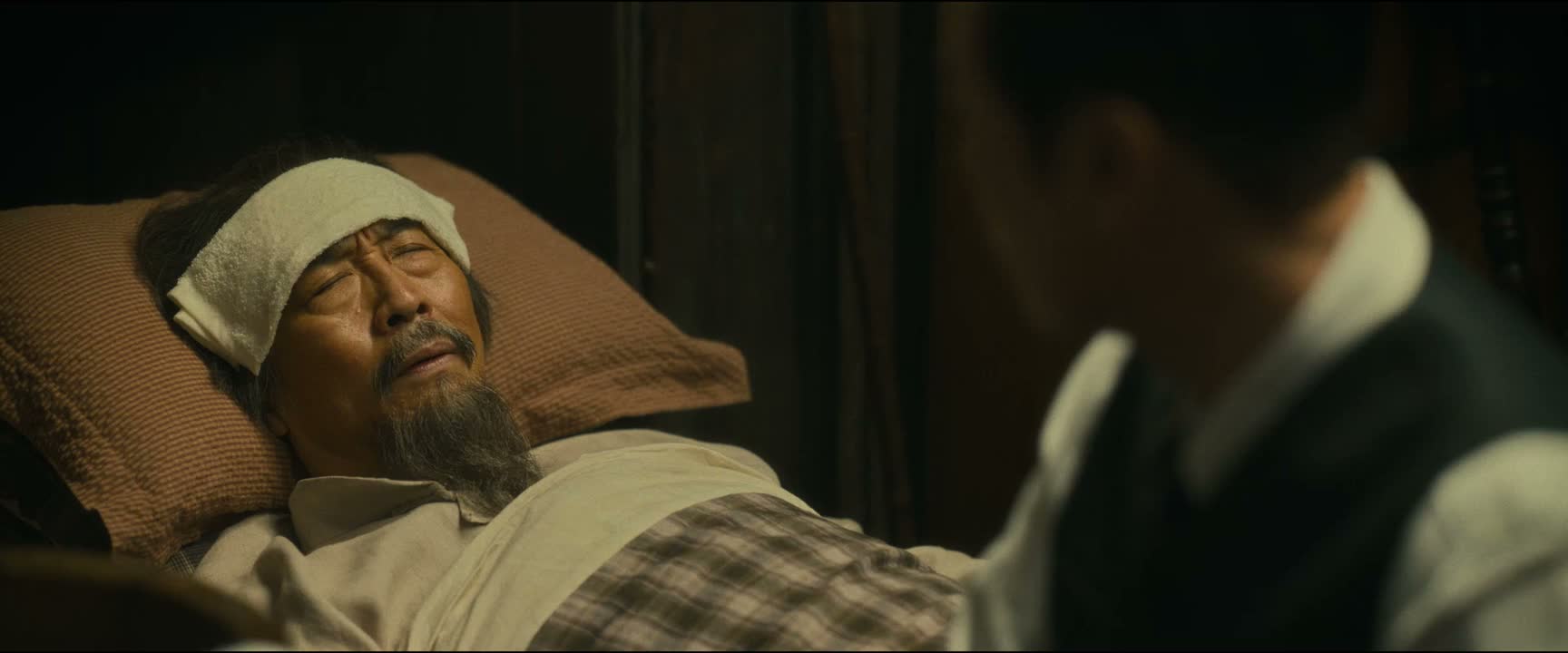
“for my bad temper.”

“It was my fault— I just wanted to hurry a bit.”

“Fine. It's my fault. Come on.”

“I was way too hasty—”

“Blame me for not telling you sooner.”