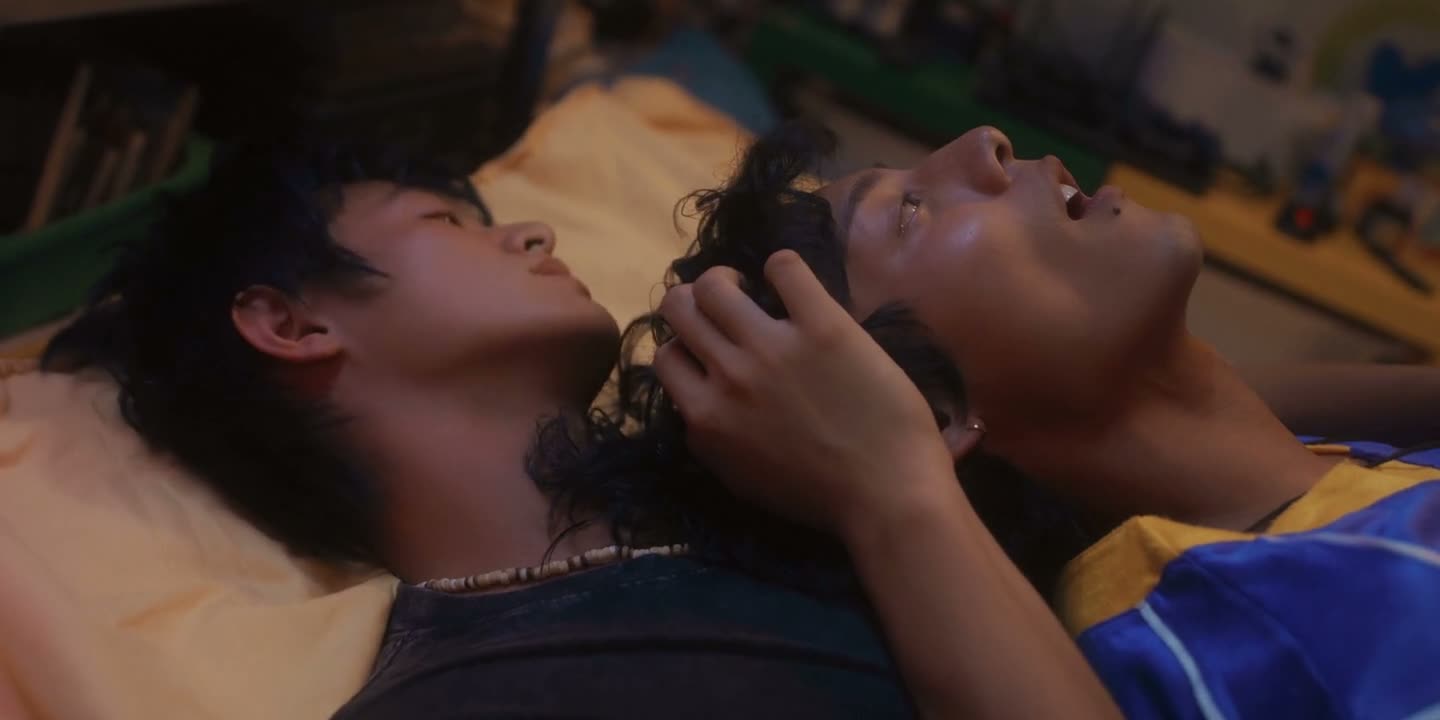
《Live up to Your Youth》 S1·E20 (41:13)
HSK 3
nǐ bú shì shuō tǐng xǐ huān wǒ de ma
你不是说挺喜欢我的吗
“Didn't you say you quite like me?”
《Live up to Your Youth》
S1·E20
TIMECODE: 41:13
·
1080P MASTER AUDIO
THE DIALOGUE REEL
[-1] PREVIOUS TURN
yī zhèn yī zhèn de
一阵一阵的
“comes and goes.”
nǐ bú shì shuō tǐng xǐ huān wǒ de ma
CURRENT FOCUS
你不是说 挺喜欢我的 吗
“Didn't you say you quite like me?”
[+1] FOLLOW-UP TURN
nǐ men dōu bù zhī dào
你们都不知道
“You don't know”
Subtitles synced to millisecond timecode
Browse Show Clips →
Scene:
Social & Dating
Function:
DEMANDING EXPLANATION
Tone:
CONFRONTATIONAL
Emotion:
HURT
WHAT THEY REALLY MEAN (PRAGMATIC SUBTEXT)
“You told me you liked me, so why are you acting so cold and distant now?”
💡 Cultural Insight: Holding to Romantic Commitments
Confronting mixed signals directly is common when one party seeks clarity and emotional security in ambiguous modern relationships.
INTENT TAGS:
#confrontation
#seeking_clarification
#insecurity
#reproach
🧩
2 CHUNKS · 1 PARTICLES
LEARNING CHUNKS & PARTICLES
你不是说
SPOKEN CHUNK
didn't you say...
Used to call out an inconsistency between what someone previously stated and what is happening now.
挺喜欢我的
SPOKEN CHUNK
quite like me
A common spoken way to express romantic affection or interest.
Modal Particle「吗」 (ma)
CHANGE OF STATE
Forms a rhetorical question that prompts confirmation while expressing doubt and challenge.
🏮
2 EXPR · 7 GRAMMAR
VOCABULARY & EXPRESSIONS
COLLOQUIAL EXPRESSIONS:
CROSS-CINEMA CORPUS BOARD · PARALLEL SCENES
EXPLORE BY SEMANTIC SIMILARITY
Parallel Spoken Cinema Scenes (语义近邻切片)

《Live up to Your Youth》 S1·E20 (41:13) · Authentic Cinema Dialogue Corpus