本来是装可怜 谁知道真可怜
“She was trying to act pitiful, but turned out truly pitiful.”
THE DIALOGUE REEL
可惜呀
“What a shame.”
本来 是 装可怜 谁知道 真可怜
“She was trying to act pitiful, but turned out truly pitiful.”
被嫌弃了
“His Majesty is sick of her now.”
“They tried to play the victim card, but actually ended up getting completely rejected.”
In Chinese social interaction, displaying weakness can be a strategic move to gain sympathy or concessions, but when exposed or rejected, it results in severe loss of face.
LEARNING CHUNKS & PARTICLES
to play the victim; to feign helplessness to win sympathy
Commonly used in spoken Chinese to criticize or tease someone who deliberately acts vulnerable to manipulate others.
who would have thought; unexpectedly
Used to introduce an unforeseen turn of events, often with irony or surprise.
VOCABULARY & EXPRESSIONS
Parallel Spoken Cinema Scenes (语义近邻切片)

“Even if you don't act pitiful, I won't leave.”

“and just feign ignorance. Understood.”

“and just feign ignorance.”

“[Yo Tzu] Why are you acting like a victim?”
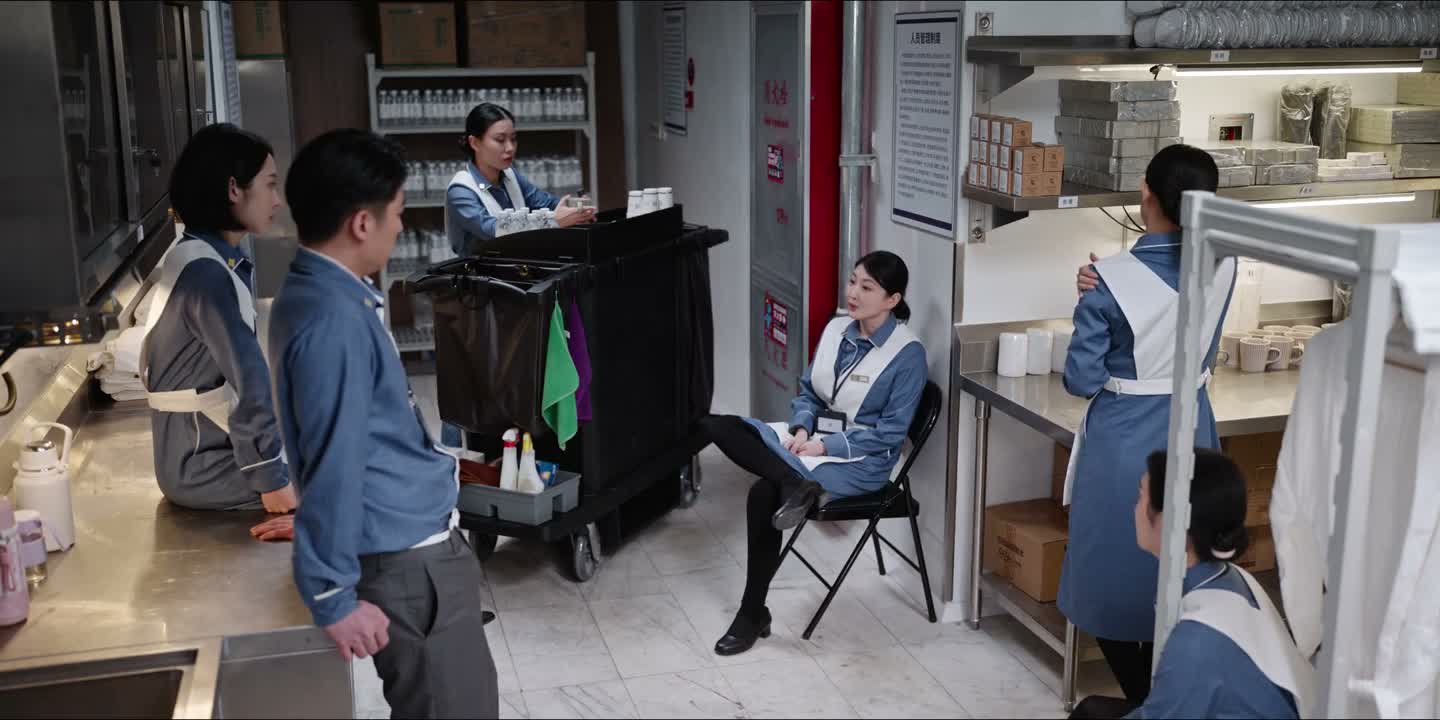
“We can just play the pity card with her.”

“you've gotten so good at playing pitiful.”