有谁真的愿望成真过啊
“Has anyone's wish ever truly come true?”
THE DIALOGUE REEL
“I've heard that story since I was a kid.”
有谁 真的 愿望成真 过啊
“Has anyone's wish ever truly come true?”
“You've all been doing it wrong.”
“Be realistic, that fairytale stuff does not actually happen.”
In Chinese conversation, framing a point as an obvious rhetorical question is a standard way to emphasize skepticism rather than directly saying 'nobody has'.
LEARNING CHUNKS & PARTICLES
wishes come true
A very common four-character idiom frequently used in fairy tales, birthdays, and well-wishes.
has anyone ever really
Used to initiate a rhetorical challenge asserting that almost no one has experienced the mentioned outcome.
Heightens the rhetorical force and emotional weight of the question.
VOCABULARY & EXPRESSIONS
Parallel Spoken Cinema Scenes (语义近邻切片)

“and it really came true.”

“your wish will come true.”
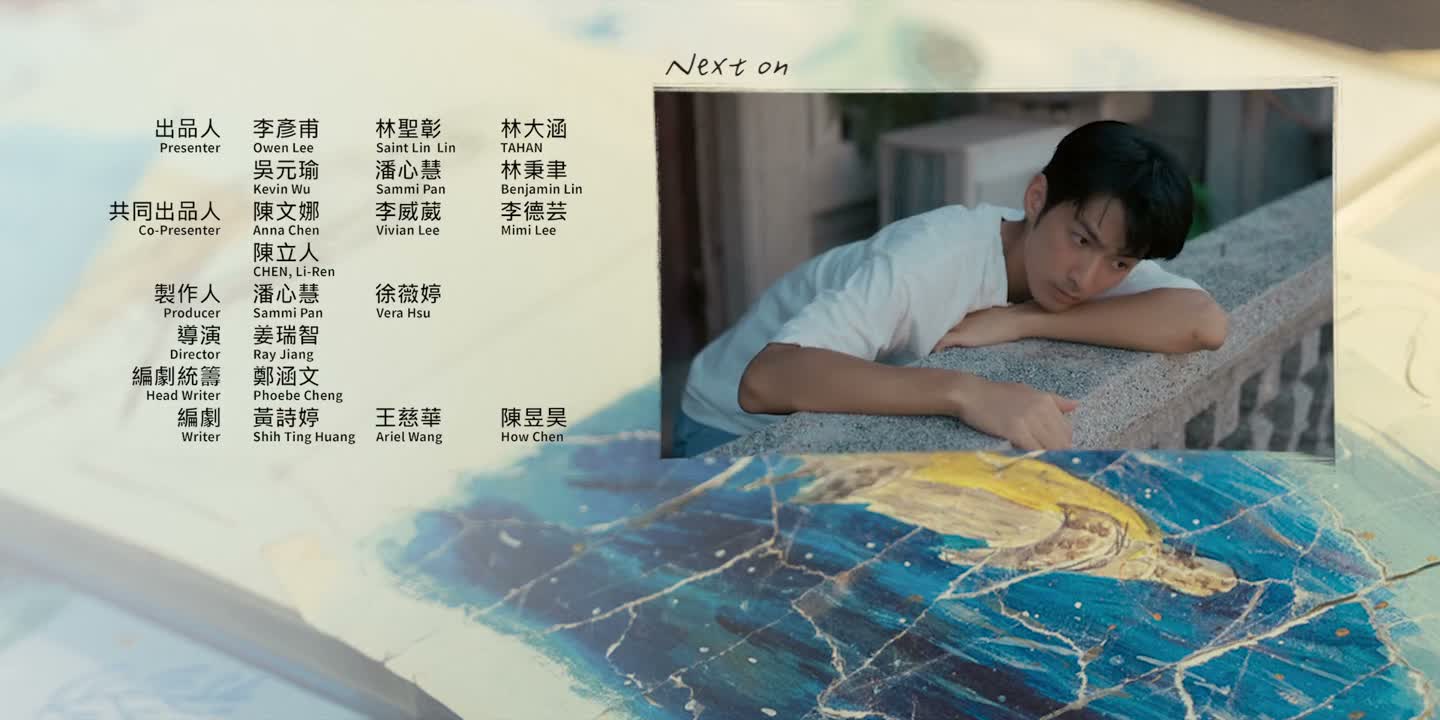
“[Next Episode] This is the path you must walk”
“This is the path you must walk”

“your wish will never come true.”
“And it came true! He made a lot of money!”