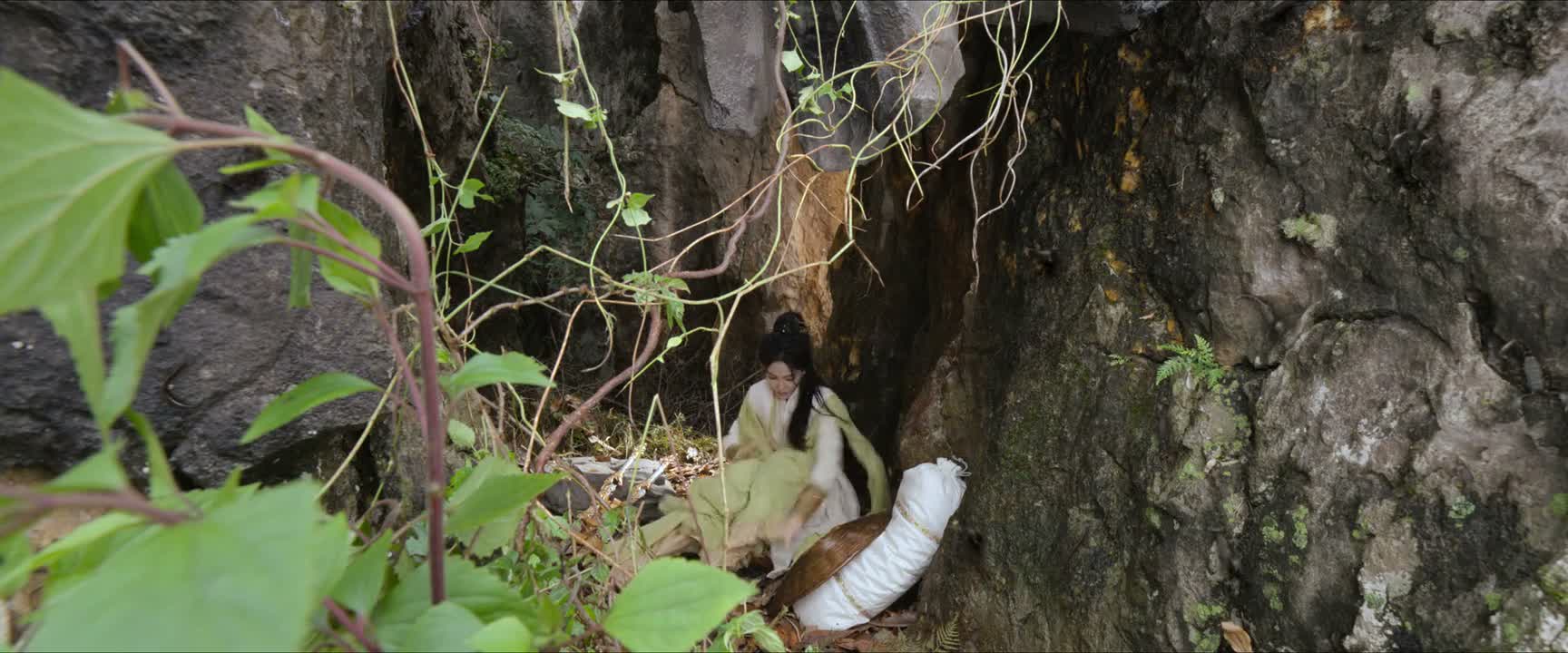
你别过来 来呀 啥玩意 你去后面坐着
“- Don't come over. - Come on. What the heck? Go sit at the back.”
THE DIALOGUE REEL
让我靠一下吧
“Let me lean on you for a bit.”
你别过来 来呀 啥玩意 你去 后面坐着
“- Don't come over. - Come on. What the heck? Go sit at the back.”
“Stop messing around. Sit tight. Be careful.”
“You are getting way too close and making me flustered, go back to your seat!”
In Chinese romantic dynamics, feigned scolding or pushing someone away often masks bashfulness or vulnerability rather than genuine hostility.
LEARNING CHUNKS & PARTICLES
don't come over here / back off
Used playfully or urgently to stop someone from physically approaching.
what on earth / what the heck
Informal Northern colloquialism expressing confusion, disbelief, or mild annoyance.
Softens the command or exclamation, adding a trace of playful or exasperated tone.
VOCABULARY & EXPRESSIONS
Parallel Spoken Cinema Scenes (语义近邻切片)

“Stay away!”

“D-Don't come any closer. Stay away!”

“Stay back. Why? Stay back.”

“Don't come closer! Don't come closer!”

“Don't come closer. Why are you dodging me?”
“Don't come any closer.”