来呀
lái yaCommon spoken expression used by native Chinese speakers in daily life.
[Scene: 社交聚会]
(9 clips) 00:03
(放不出来啊 放大招啊 包哥 包哥 放大招) ── Previous context
“The ultimate attack, Bao! I can't. Bao! Now! Quick!”
 00:02
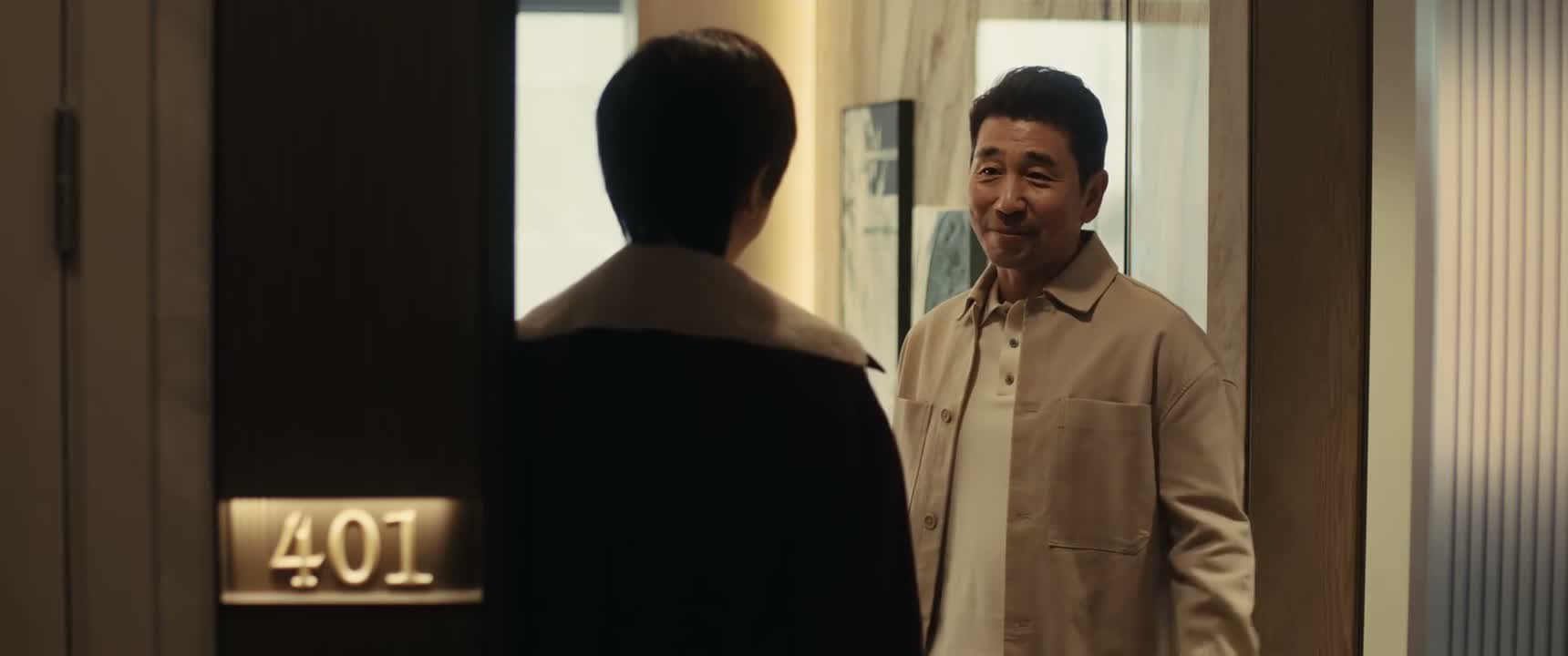 00:02
(我一包工头 闺女想当作家) ── Previous context
“If my daughter's dream is to become a writer, what future could be better than that?”
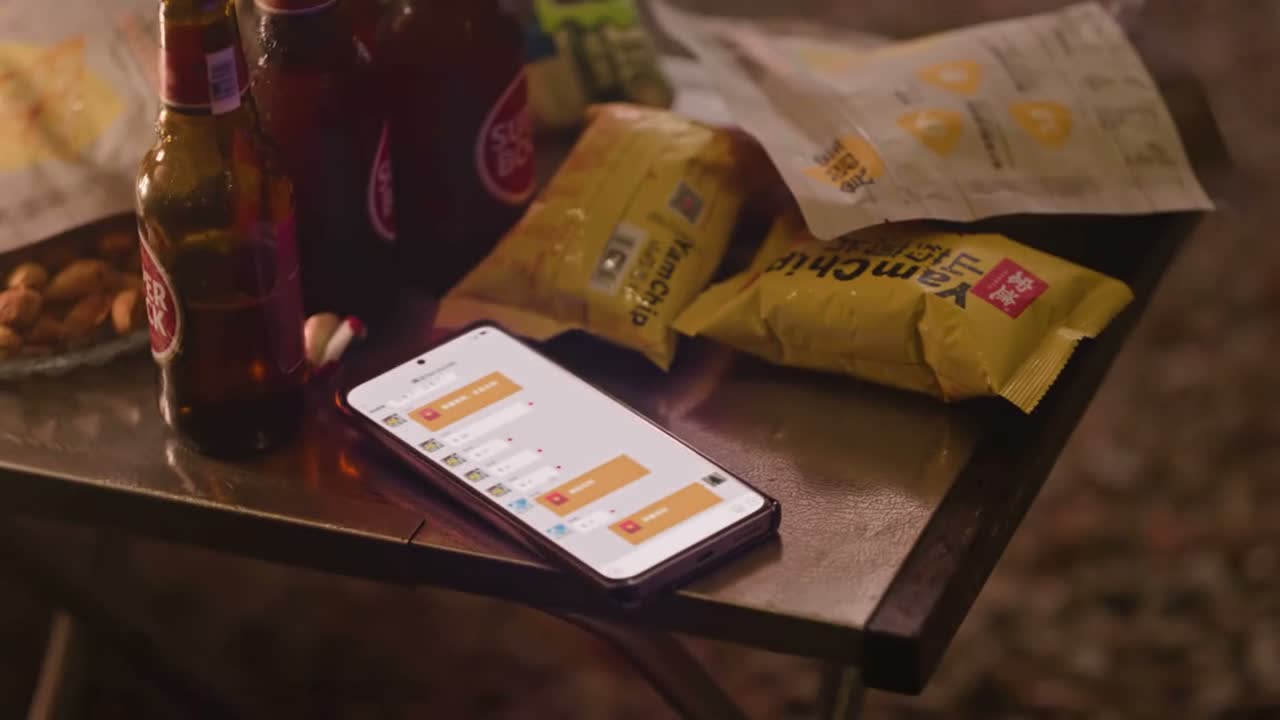 00:02
 00:02
(靠还东西制造见面的机会) ── Previous context
“Mr. Pei, this little trick of yours can't be more obvious.”
 00:02
 00:02
 00:02
(这本身已经足够美好了) ── Previous context
“♪ Who hasn't paid the price and still fallen short? ♪ How about we take a photo together? -Let's do it. -Okay.”
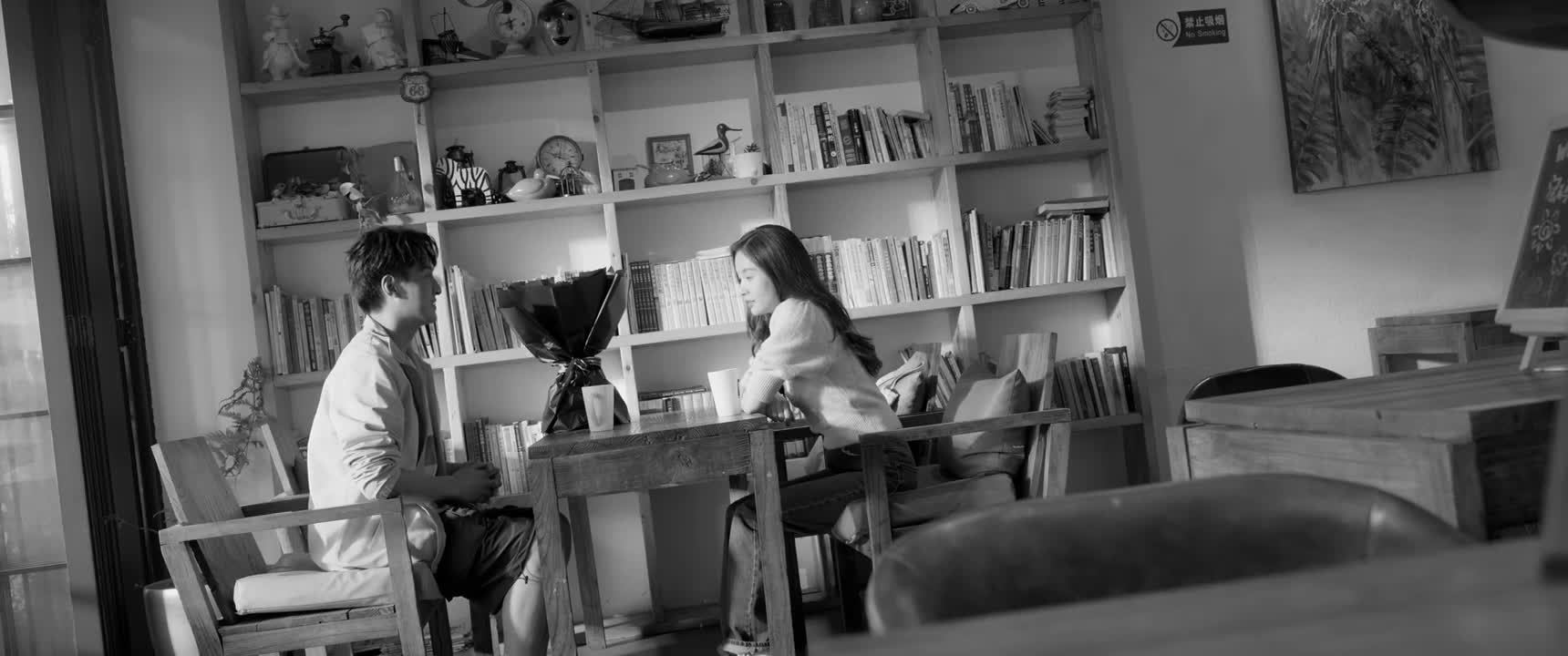 00:02
[Scene: 其他场景]
(6 clips) 00:03
(夫人 你没事吧 你没事吧 我没事) ── Previous context
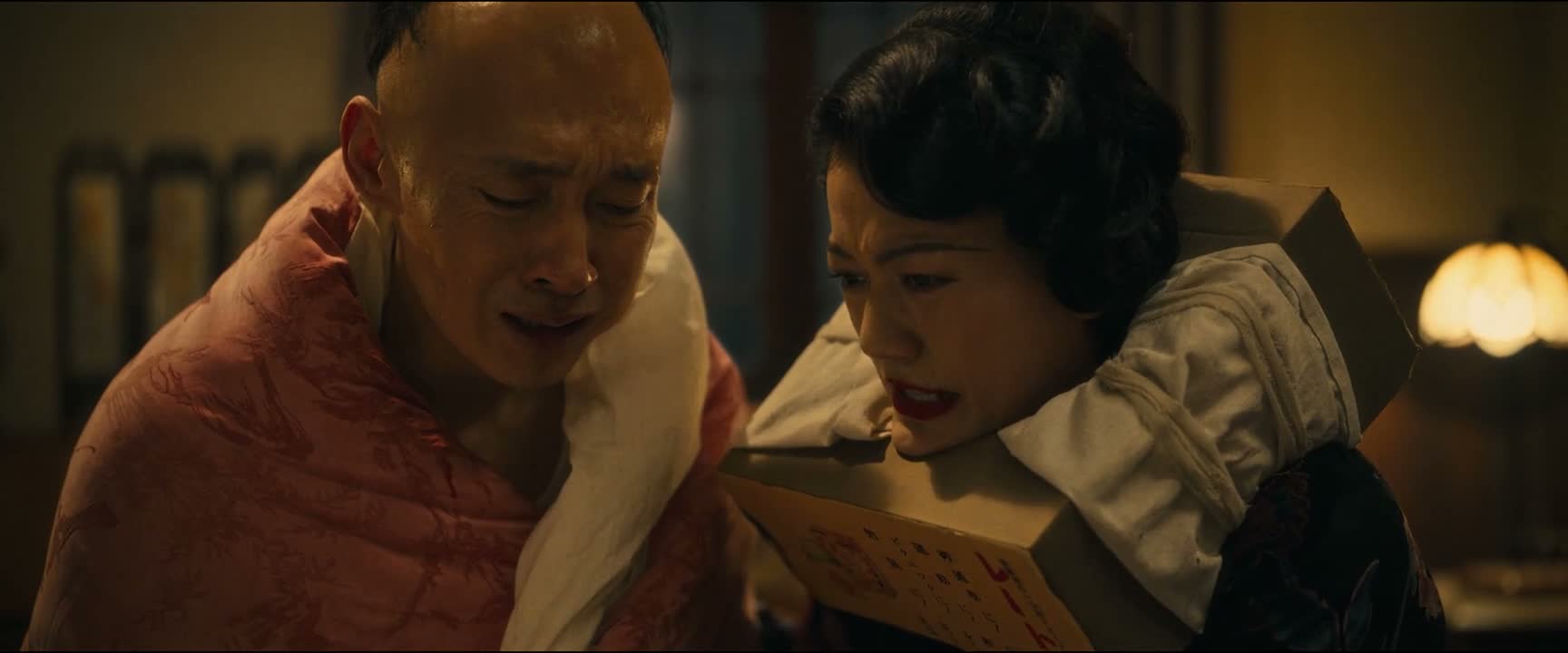
“Weren't we supposed to be interrogated separately? How did you get in?”
 00:02
 00:03
 00:03
(那帮畜生玩意儿 犯起性子来) ── Previous context
“they can do any evil thing. They have no humanity.”
 00:03
(我很难平静 就像你 江警官 现在 你想杀了我吗) ── Previous context
“Kill me! Officer Jiang! Come on. Don't suppress your desires!”
 00:02
[Scene: 职场工作]
(5 clips) 00:03
(裴总 裴总 裴总回来了 裴总 你怎么回来了呀) ── Previous context
“Have you fully recovered? You should have rested longer. Mr. Pei.”
 00:02
(今天是中秋节 大家呢 都是阖家欢乐的) ── Previous context
“No one will come even if I invite them. Come.”
 00:02
 00:02
 00:02
[Scene: 其他场景]
(4 clips) 00:02
 00:02
 00:03
(活人比死人重要) ── Previous context
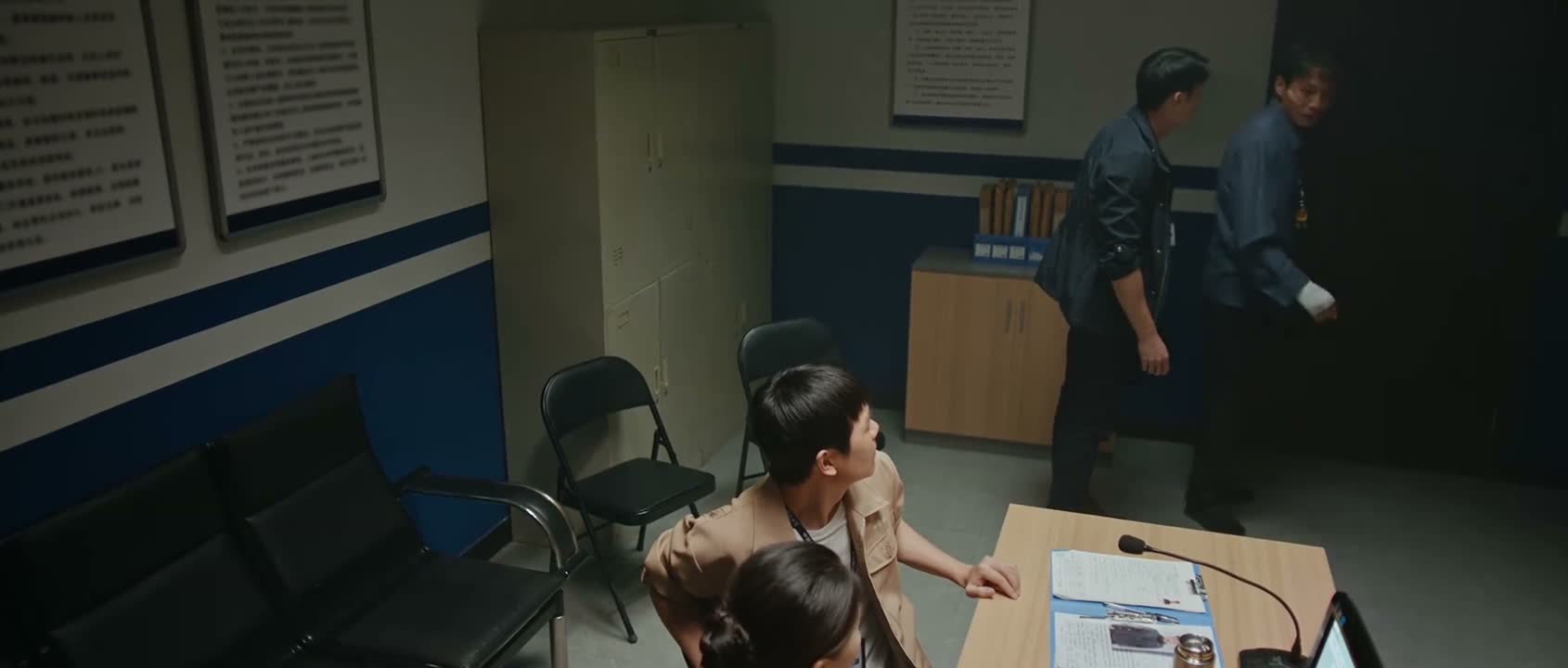
“Ren Meiyan, come on, photo time. Coming. Hurry up.”
 00:02
[Scene: 家庭日常]
(3 clips) 00:02
 00:03
 00:02
(你俩之间也算民事纠纷 我有啥立场) ── Previous context
“it is a civil dispute. What grounds do I have to ask Xiaoming to bring it out?”
[Scene: 商务沟通]
(2 clips) 00:03
(我还顺便请了沈默 作为经销商代表) ── Previous context
“Is he coming? Of course! It's a great chance. How could he miss it?”
 00:02
[Scene: 其他场景]
(1 clips) 00:02
[Scene: 其他场景]
(1 clips)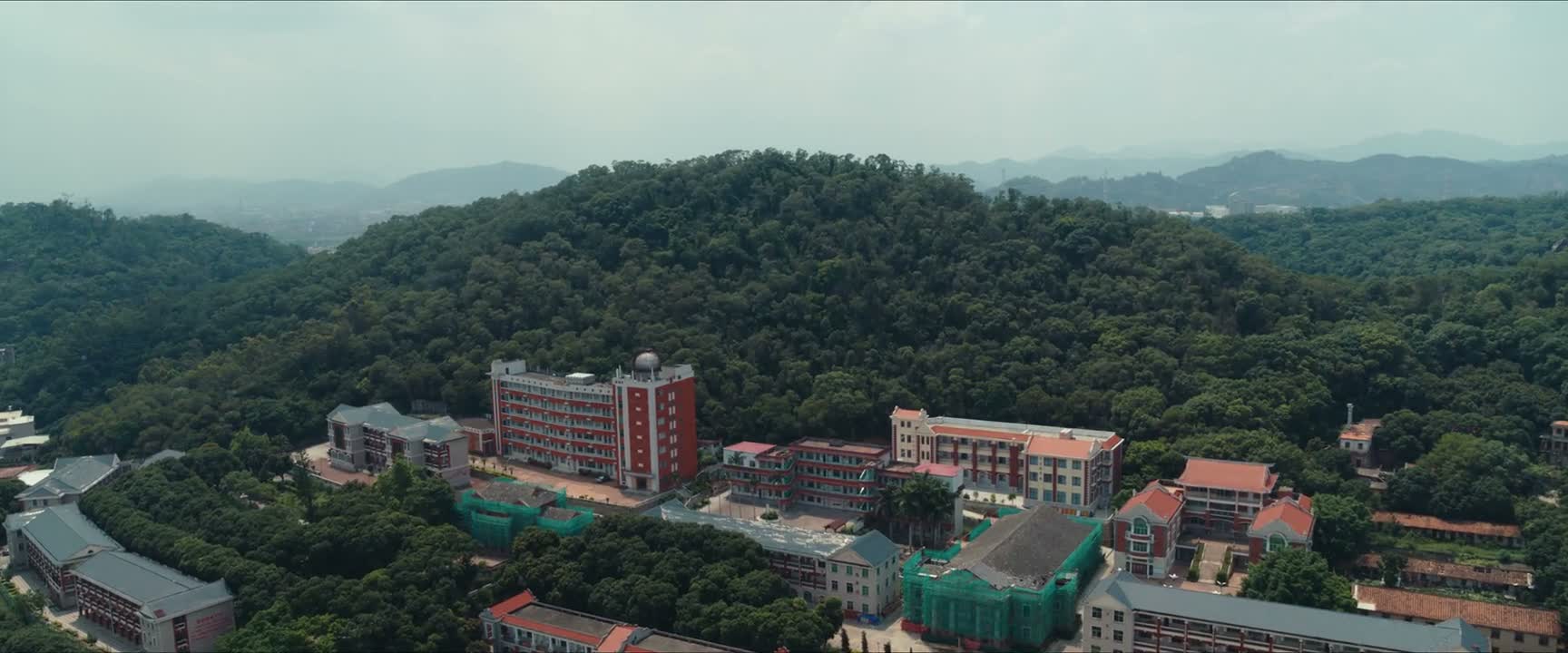 00:03
(恭喜你) ── Previous context
“When do you think Coach will get here? [Warmly welcoming Coach Wang Fa] [to join the Hongjing No. 8 High School Football Team] I can't wait.”
[Scene: 出行交通]
(1 clips) 00:03
(让我靠一下吧) ── Previous context
“- Don't come over. - Come on. What the heck? Go sit at the back.”
📌 你赶紧
→Nuance: 核心意图皆为催促尽快回来
📌 一个人
→Nuance: 反问句式同义互换,意思一致
📌 不好意思
→Nuance: 同为招呼合影,表达更商量温和
📌 什么时候
→Nuance: 核心均催问归期且附带理由
📌 不知道
→Nuance: 同向近义词根配对: [他们 ↔ 她们]
📌 没人
→Nuance: 均表达叫不来人的处境
📌 赶紧回来
→Nuance: 核心意图皆为催促尽快回来
📌 回来了
→Nuance: 核心均质疑/关心其为何带伤早回
📌 有什么用
→Nuance: 同向近义词根配对: [现在 ↔ 今天]