我还以为你身处水深火热之中呢
“I thought you were in deep trouble,”
THE DIALOGUE REEL
很安静
“It was so quiet.”
我还以为 你身处 水深火热 之中 呢
“I thought you were in deep trouble,”
“but turns out you were living it up.”
“You complained so much, yet you look completely fine and relaxed!”
Close friends in China frequently use dramatic idioms like 'dire straits' in a hyperbolic, sarcastic way to mock unfounded complaints.
LEARNING CHUNKS & PARTICLES
I actually thought / I was under the impression that
Used when discovering that a previous assumption was entirely wrong.
dire straits / extreme misery
An idiom (chengyu) often used hyperbically in casual speech to tease someone about having a tough time.
Marks the contrast between expectations and reality with a lingering, quizzical tone.
VOCABULARY & EXPRESSIONS
Parallel Spoken Cinema Scenes (语义近邻切片)
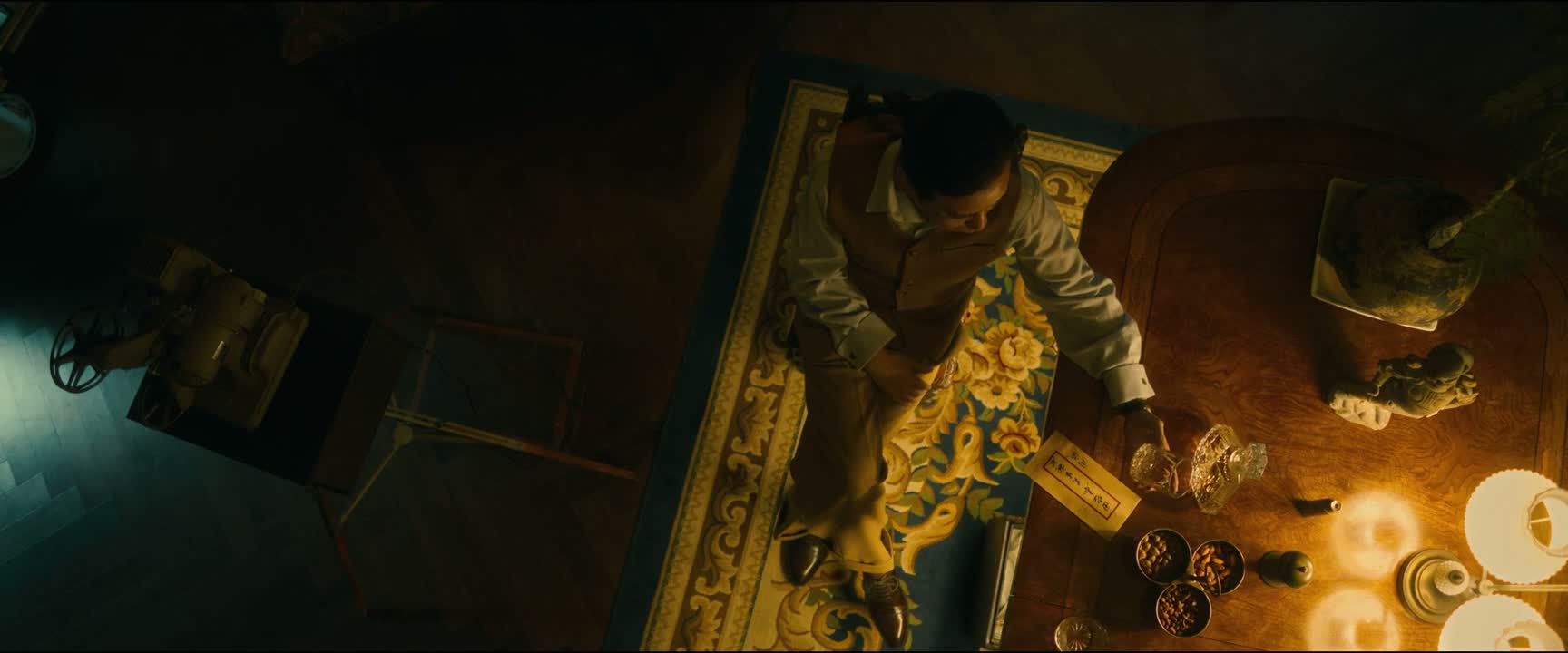
“in dire straits.”

“I thought you were worried about me.”

“I almost drowned her in the water.”

“I thought you were asleep.”

“I thought you were dead.”

“and could get you out of trouble.”