听见没有 放开啦 停手啊
“You hear me? Let go! Stop it!”
THE DIALOGUE REEL
松开他
“Let him go!”
听见没有 放开 啦 停手 啊
“You hear me? Let go! Stop it!”
做什么
“What are you doing?”
Direct spoken expression in this communicative setting.
Interveners in Chinese physical disputes use blunt, repeated imperative clusters to break through the adrenaline of the fighters.
LEARNING CHUNKS & PARTICLES
did you hear me? / are you listening?
A sharp, highly impatient rhetorical question used to demand immediate compliance when someone ignores you.
stop fighting / cease physical action
Used almost exclusively to command someone to stop using their hands, usually in a physical brawl or assault.
Adds an impatient, exasperated edge to the imperative command.
Heightens urgency and raises the vocal pitch in a high-stress confrontation.
VOCABULARY & EXPRESSIONS
Parallel Spoken Cinema Scenes (语义近邻切片)
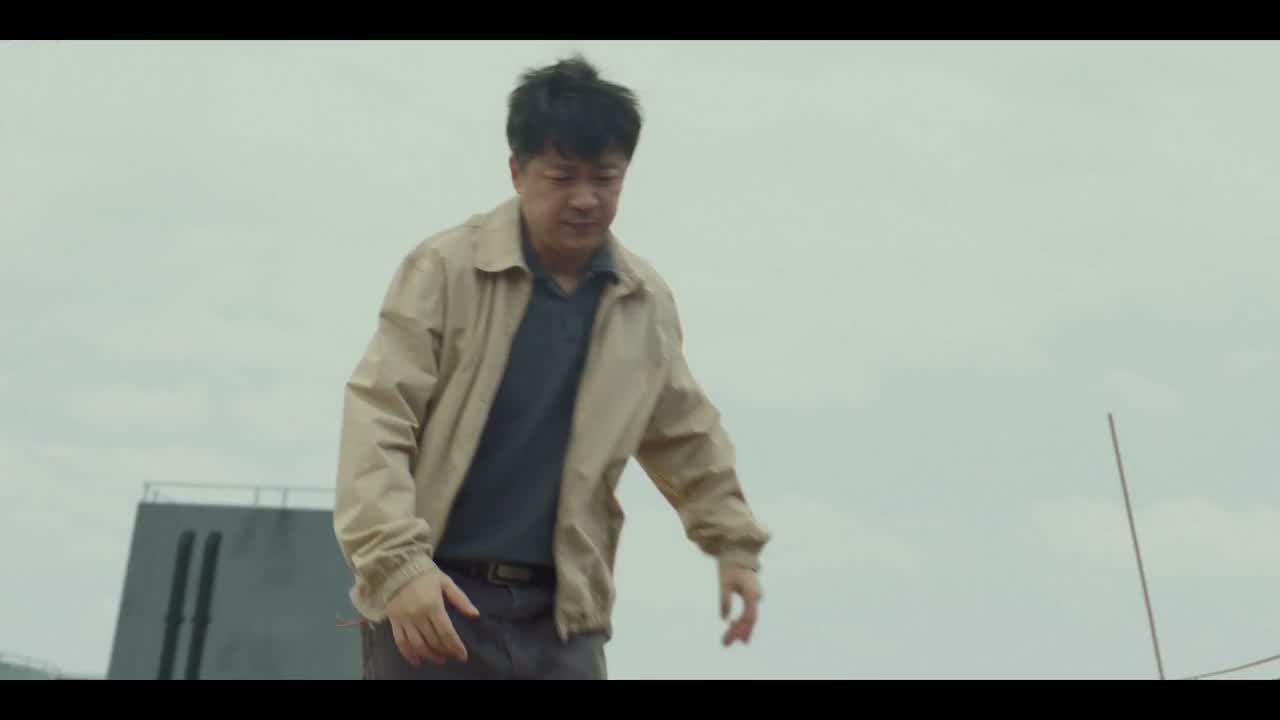
“Stop. Stop it. Did you hear me?”
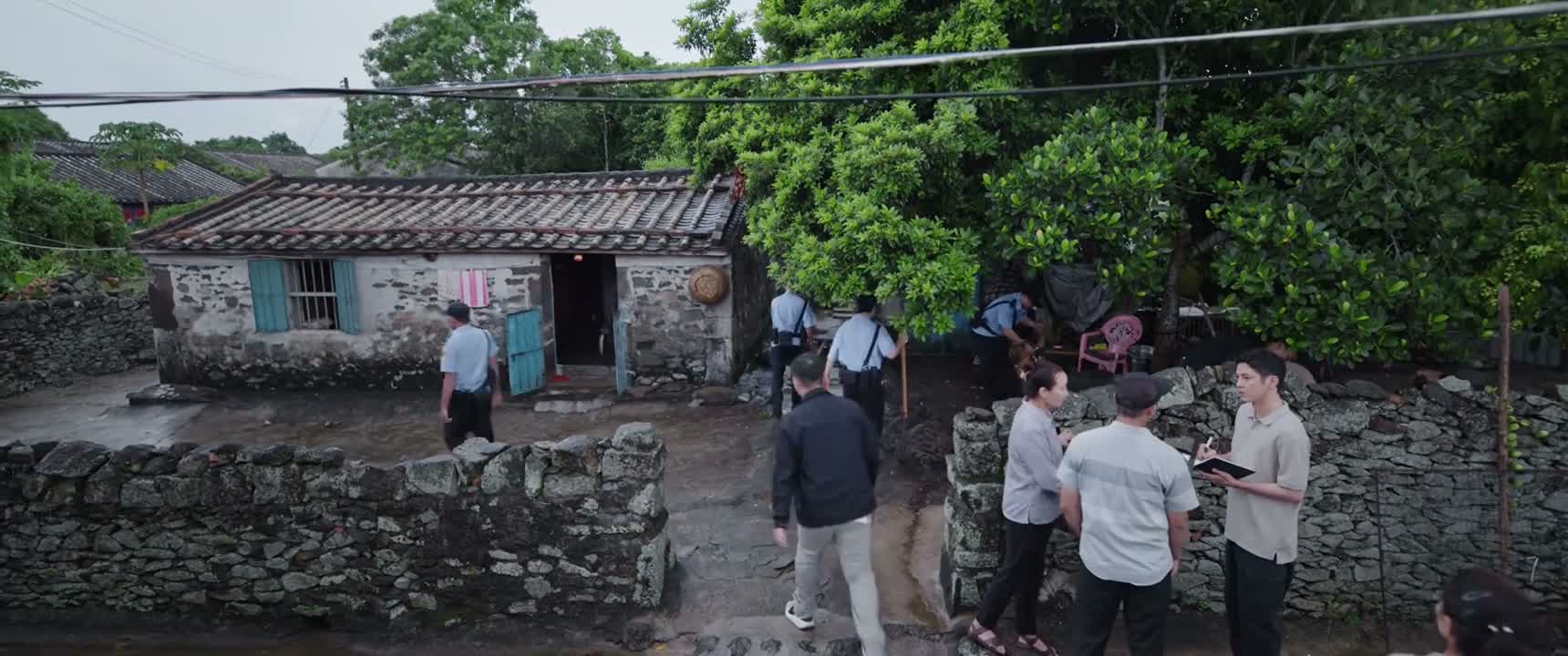
“We didn't hear anything. - We didn't hear it. We were... - We didn't hear it.”

“-Do you hear me? -Put your hand down. Who do you think you are talking to?”

“Did you hear that? Apologize now! Hurry up.”

“Do you hear me? Answer me.”