- 好 开始鬼打墙了 - 我没有鬼打墙
“- Okay, we're going in circles. - We're not.”
THE DIALOGUE REEL
“Not against it doesn't mean you want one.”
- 好 开始 鬼打墙 了 - 我没有 鬼打墙
“- Okay, we're going in circles. - We're not.”
我在问你到底想不想要小孩
“I am asking, do you want a child?”
“You are just evading the issue again! / No, I am making a valid point!”
The folklore term 'ghost hitting the wall' refers to night travelers walking in endless loops, and in modern colloquial Chinese, it vividly captures the exasperation of repeating the exact same unproductive argument.
LEARNING CHUNKS & PARTICLES
hitting a dead end / running in circles
Originally a superstitious term for being trapped in an endless loop by a ghost, now commonly used metaphorically for circular arguments or blocked situations.
Marks the start of a repetitive, frustrating behavioral pattern.
VOCABULARY & EXPRESSIONS
Parallel Spoken Cinema Scenes (语义近邻切片)

“With a ghost maze, we'll never get out.”

“Focus on your study. You think she is smart?”

“-Alright. That's enough. -It's not fun at all. Let's get ready. Brothers,”

“You still won't leave me alone even in death.”

“Fine. I won't tease you anymore.”
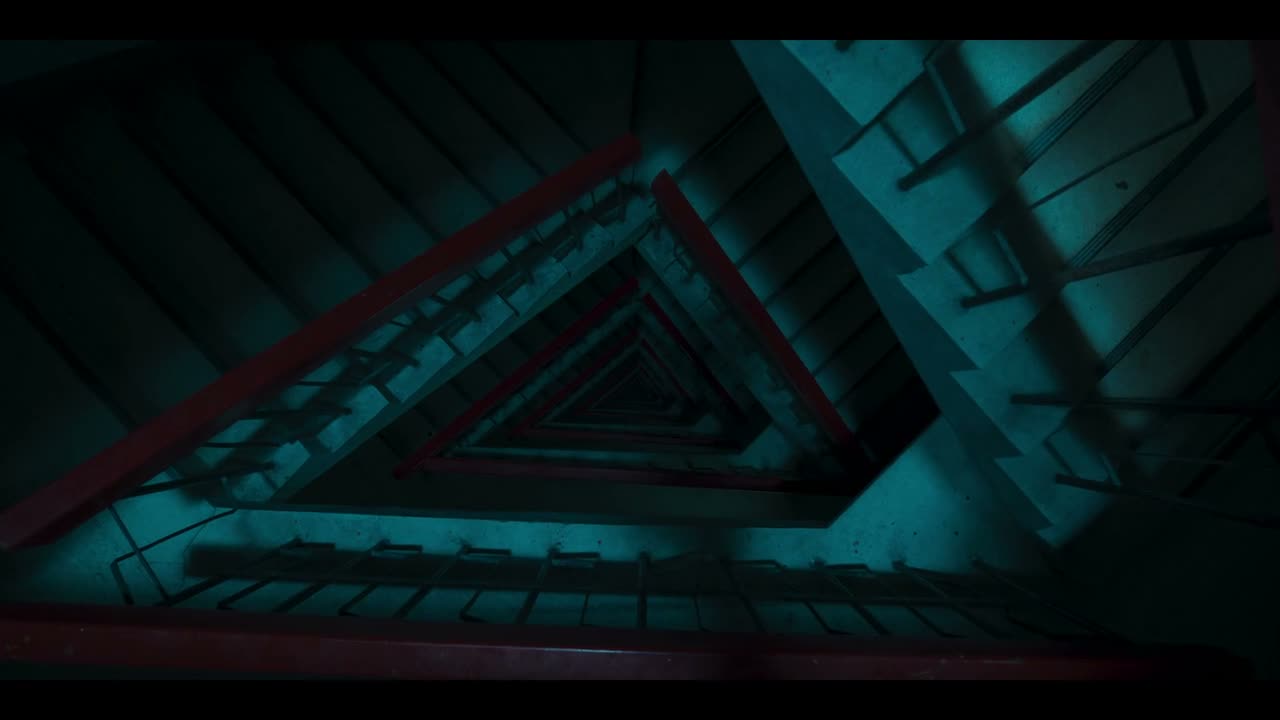
“[Han Chieh] Fuck. We're going around in circles.”