怕不是鬼魅的“魅”吧
“More like "demon charms."”
THE DIALOGUE REEL
什么百媚生啊?
“"Hundred Charms"?”
怕不是 鬼魅的“魅” 吧
“More like "demon charms."”
将作丞怎么说?
“What did the Assistant Director here say?”
“Don't pretend this is about beauty; something sinister and deceitful is going on here.”
Chinese speakers often employ homophones (here contrasting '媚' charm/flattery with '魅' demon/evil) to subtly challenge an official narrative or cast aspersions.
LEARNING CHUNKS & PARTICLES
I'm afraid it might be...; isn't it likely that...
A spoken rhetorical construction used to express strong suspicion, skepticism, or sarcastic inference.
demons; monsters; evil spirits
Used in literary, historical, or metaphorically suspicious contexts to refer to deceitful, monstrous forces.
Turns the statement into a probing rhetorical conjecture, soliciting agreement while conveying sharp skepticism.
VOCABULARY & EXPRESSIONS
Parallel Spoken Cinema Scenes (语义近邻切片)
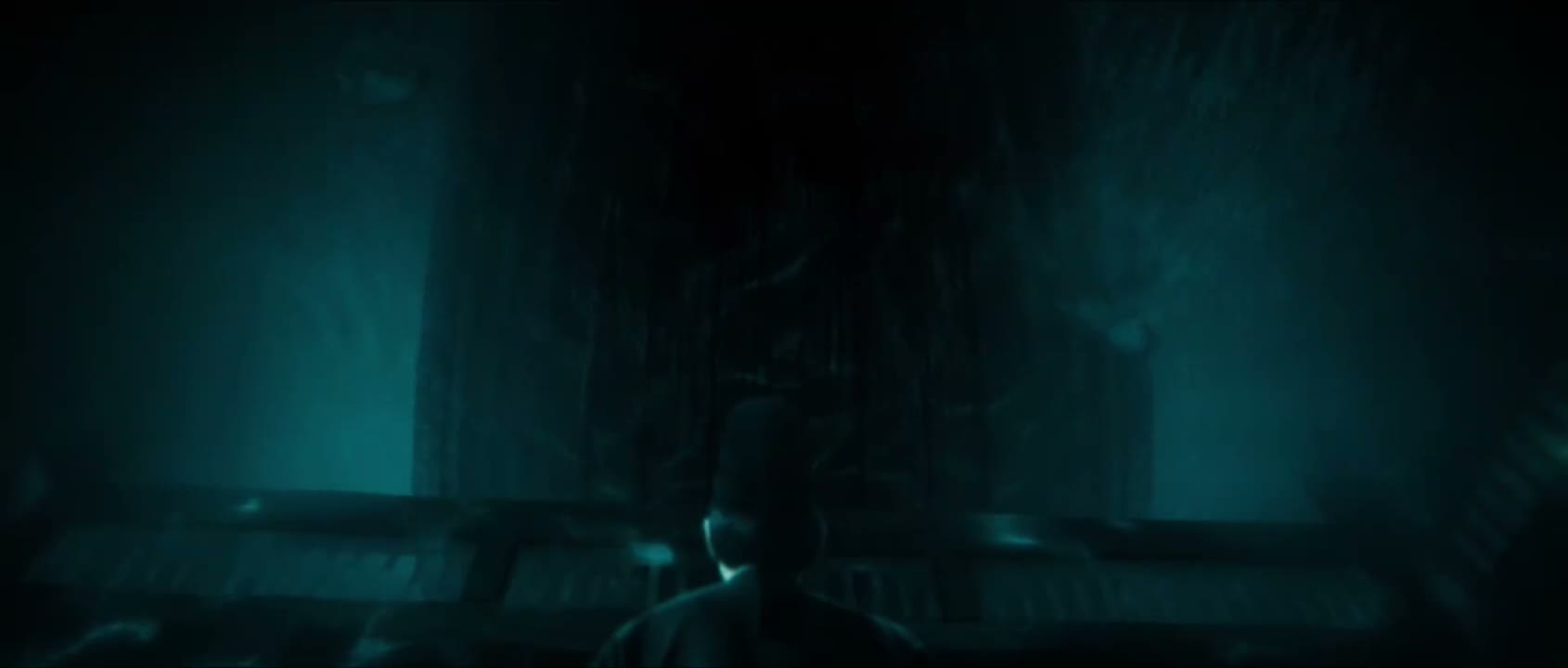
“(This is the true face of the water ghost.)”
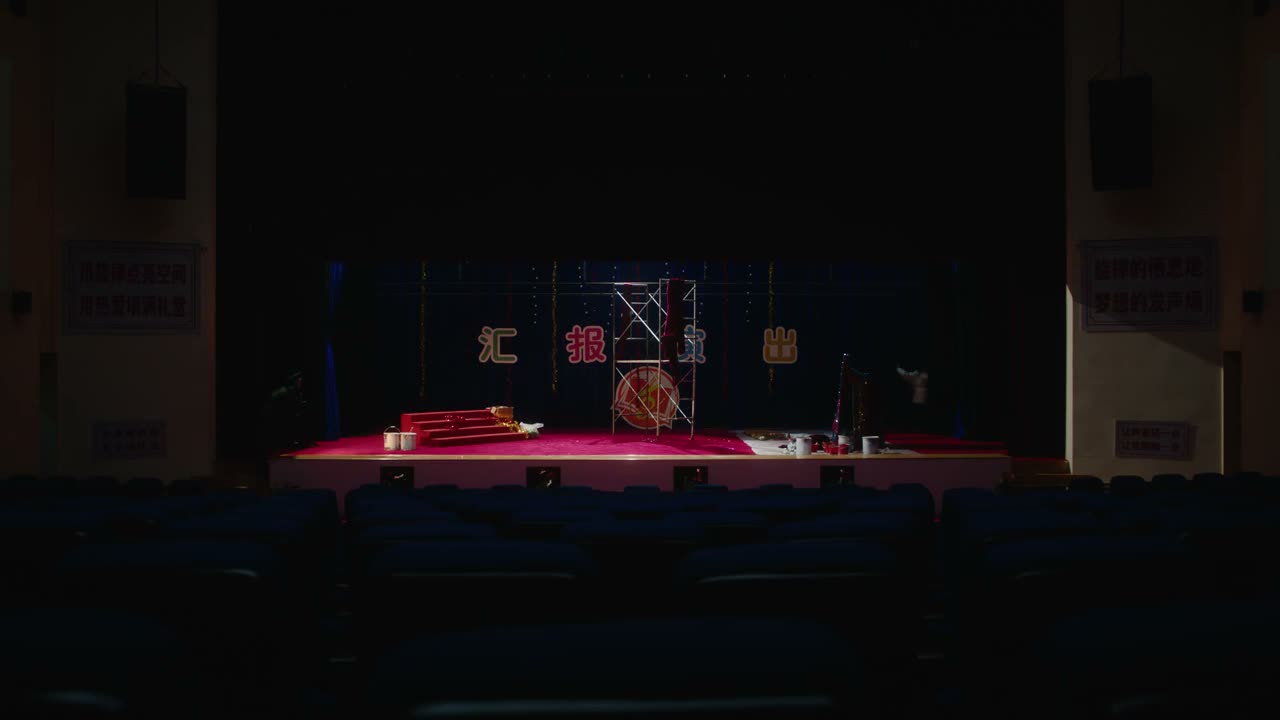
“Playing "The Phantom of the Opera" with me, huh?”

“It's a looping spirit, one of the four types of ghosts.”

“Unless you've got a guilty conscience?”
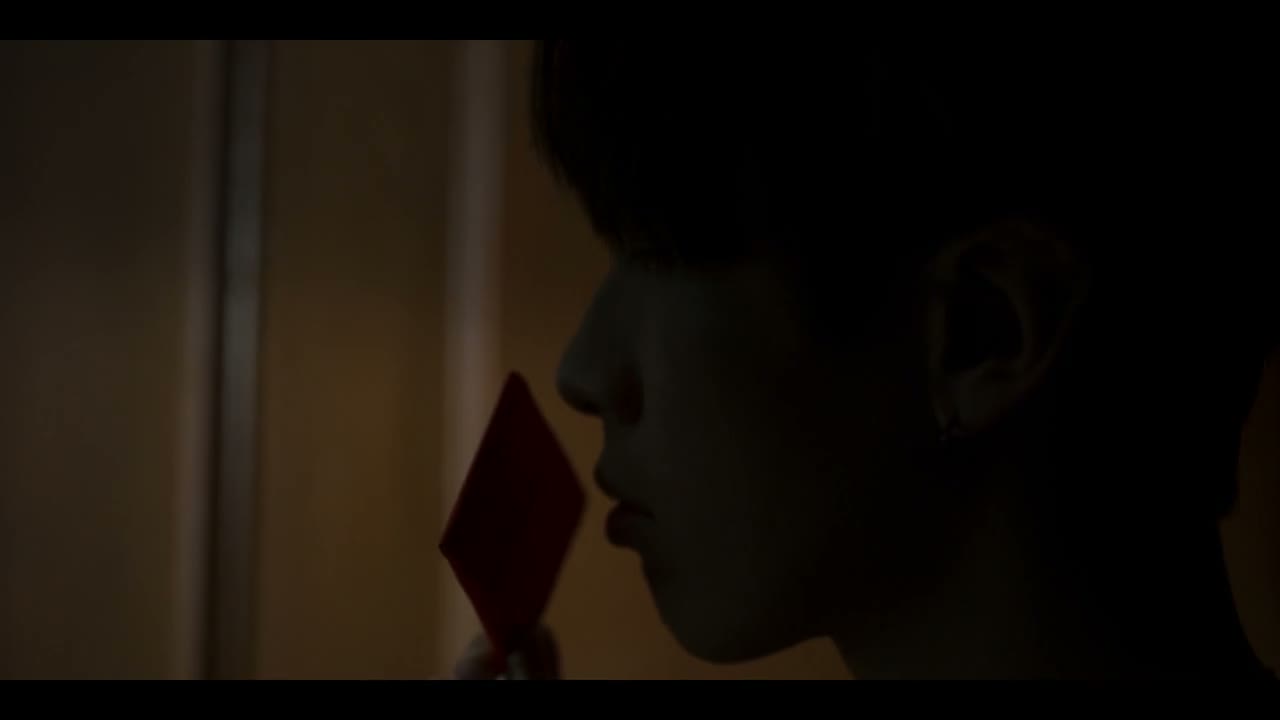
“The ghost was a woman.”

“Only those with guilt fear ghosts.”