我出来久了 还有事情要处理 就先回了
“I've been out too long. I still have work to do. I should go.”
THE DIALOGUE REEL
尤其难伺候
“is especially hard to tend.”
我 出来 久了 还有事 情要 处理 就先回了
“I've been out too long. I still have work to do. I should go.”
有你在归墟
“When you're here,”
Direct spoken expression in this communicative setting.
In Chinese culture, directly leaving without a practical justification can seem abrupt, so citing pressing duties allows one to depart smoothly while preserving face.
LEARNING CHUNKS & PARTICLES
heading back first / taking one's leave
A standard, polite formula used when parting or leaving a gathering ahead of others.
have matters to attend to
A universally useful social excuse to gracefully exit a conversation or meeting.
Marks a change of state, indicating elapsed time and signaling the imminent action of leaving.
VOCABULARY & EXPRESSIONS
Parallel Spoken Cinema Scenes (语义近邻切片)
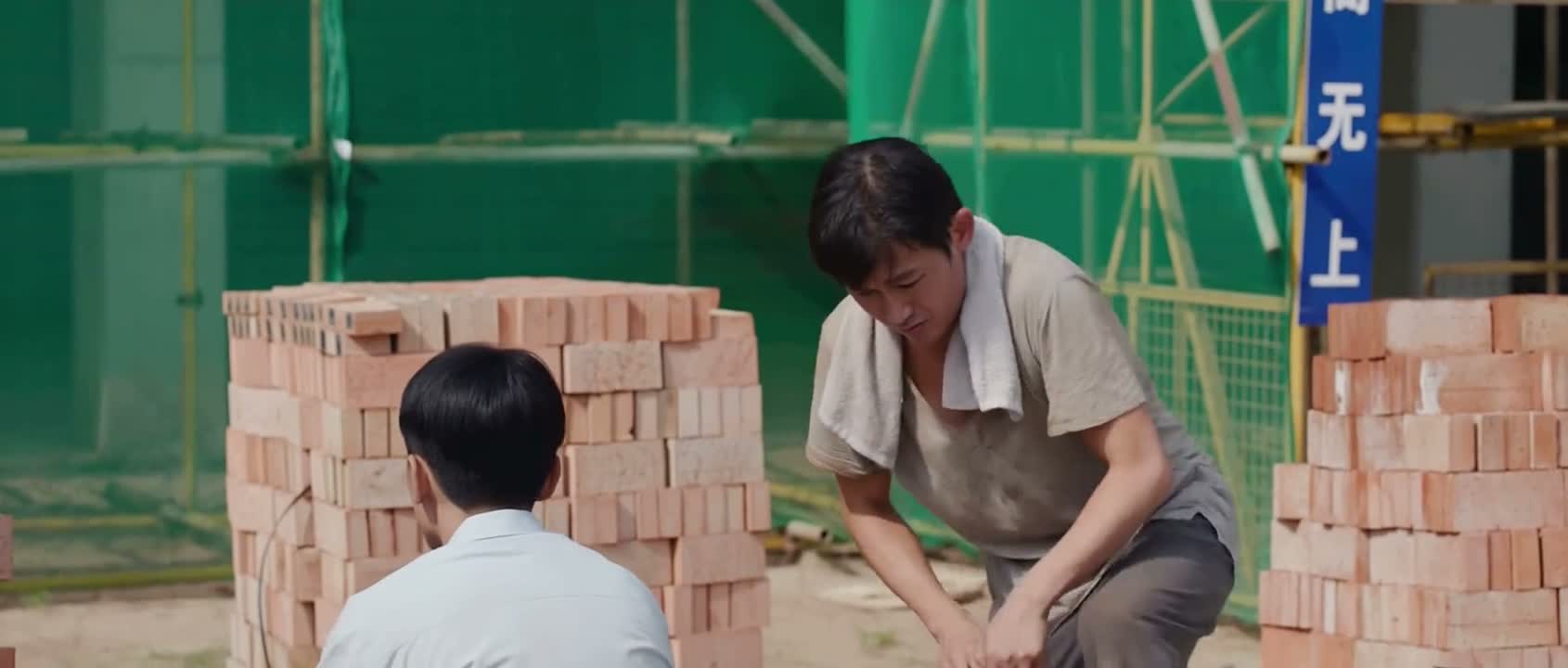
“We've been out here so long.”

“won't be out anytime soon. I'd better head back.”

“I rarely have a chance to come out. I must shop to my heart's content.”

“You've come out 5 times already.”

“I've only just managed to get out.”

“I've only just come back, and now I'm leaving again.”