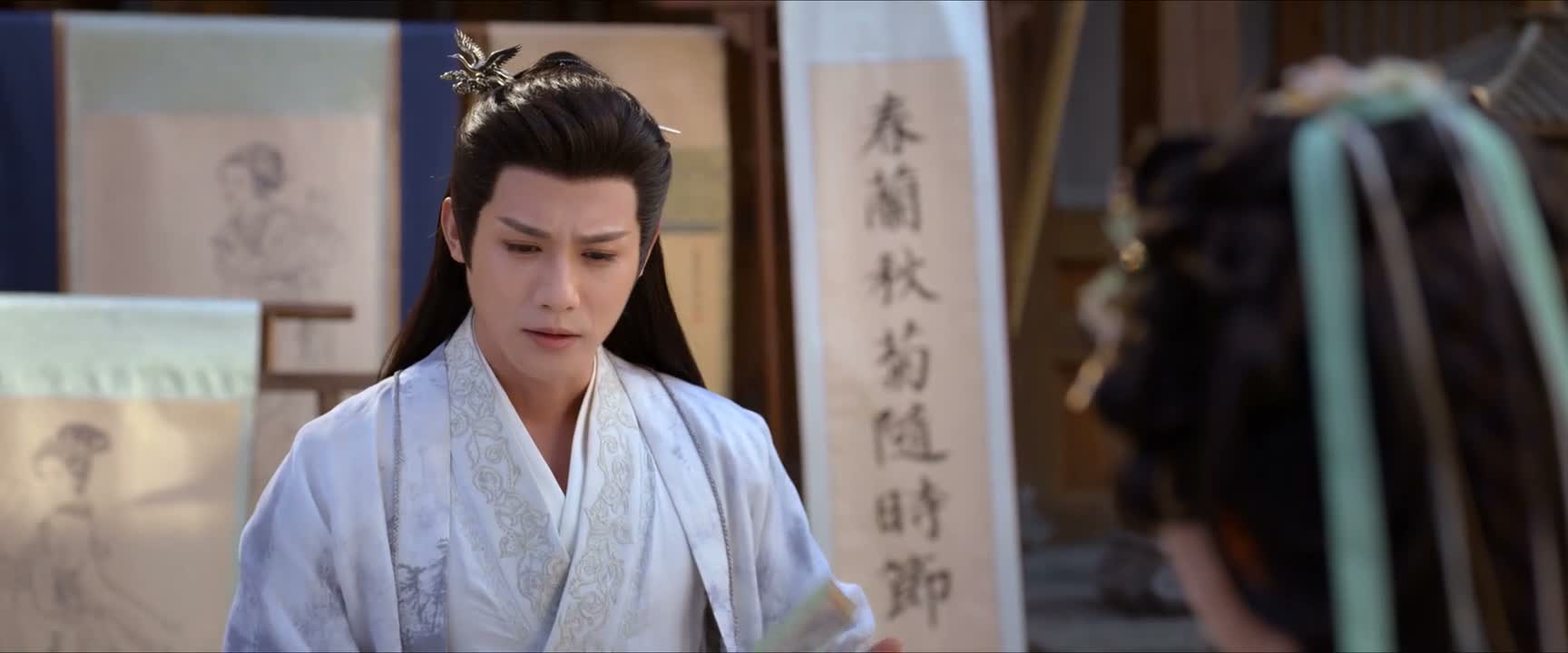
看到一个熟人 但应该看错了
“Thought I saw someone I know, but I must be mistaken.”
THE DIALOGUE REEL
没看什么
“Nothing.”
看到 一个熟人 但 应该 看错了
“Thought I saw someone I know, but I must be mistaken.”
你没看错 就是凌奕凯
“You're not. That's Ling Yikai.”
Direct spoken expression in this communicative setting.
Chinese speakers frequently soften claims of visual recognition using modal adverbs like '应该' to prevent embarrassment if proved wrong.
LEARNING CHUNKS & PARTICLES
acquaintance; familiar person
Standard everyday term for people one recognizes or knows casually.
mistook someone; saw incorrectly
Extremely frequent resultative verb structure used when visual misidentification occurs.
VOCABULARY & EXPRESSIONS
Parallel Spoken Cinema Scenes (语义近邻切片)

“So what if I misjudged him?”

“I was in such a rush that I didn't see who that was.”

“How could I be wrong? Besides, wasn't everyone watching?”
“I think I've seen him.”

“Right. And we have acquaintances there.”

“You look a bit familiar.”