等手术做完了 身边千万不要离人
“When the surgery is over, don't leave him unattended.”
THE DIALOGUE REEL
你可以先回去
“and you can go back.”
等 手术 做完了 身边 千万不要 离人
“When the surgery is over, don't leave him unattended.”
他这么干
“He's doing this”
Direct spoken expression in this communicative setting.
In Chinese hospitals, family or designated guardians are culturally and practically expected to provide 24/7 bedside care and vigil (peihu) rather than relying solely on nursing staff.
LEARNING CHUNKS & PARTICLES
by all means do not; absolutely must not
Used to issue an emphatic negative command or strong safety warning.
to leave someone unattended / to lack human supervision
An idiomatic spoken collocation frequently used regarding care for patients, infants, or unattended simmering pots.
Marks the completion of the condition (finishing the surgery) before the next action begins.
VOCABULARY & EXPRESSIONS
Parallel Spoken Cinema Scenes (语义近邻切片)

“The surgery's done. People from the company already visited her this morning.”

“aren't even physically fit for surgery.”

“Now let's just hope the surgery goes smoothly.”
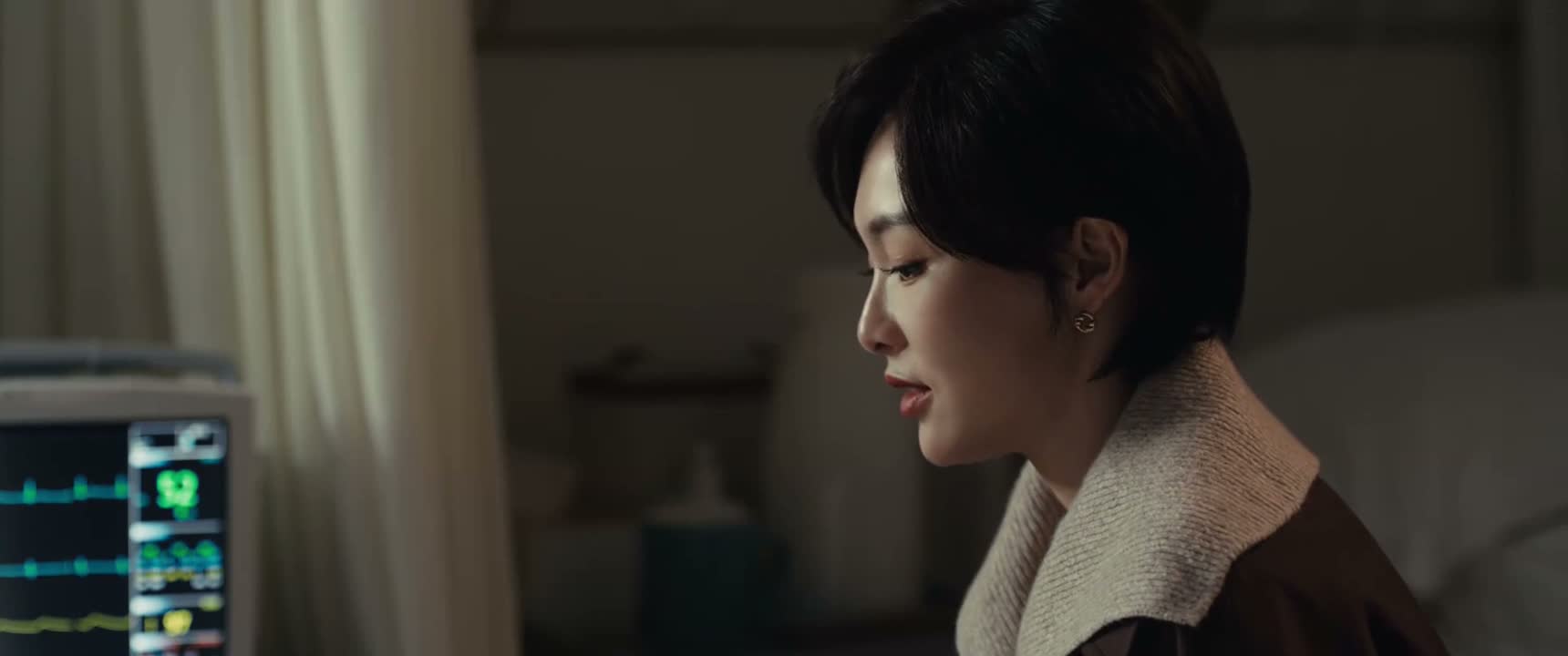
“You said on the phone she wouldn't be doing the surgery anymore.”

“I just finished a surgery. I was just about to go.”
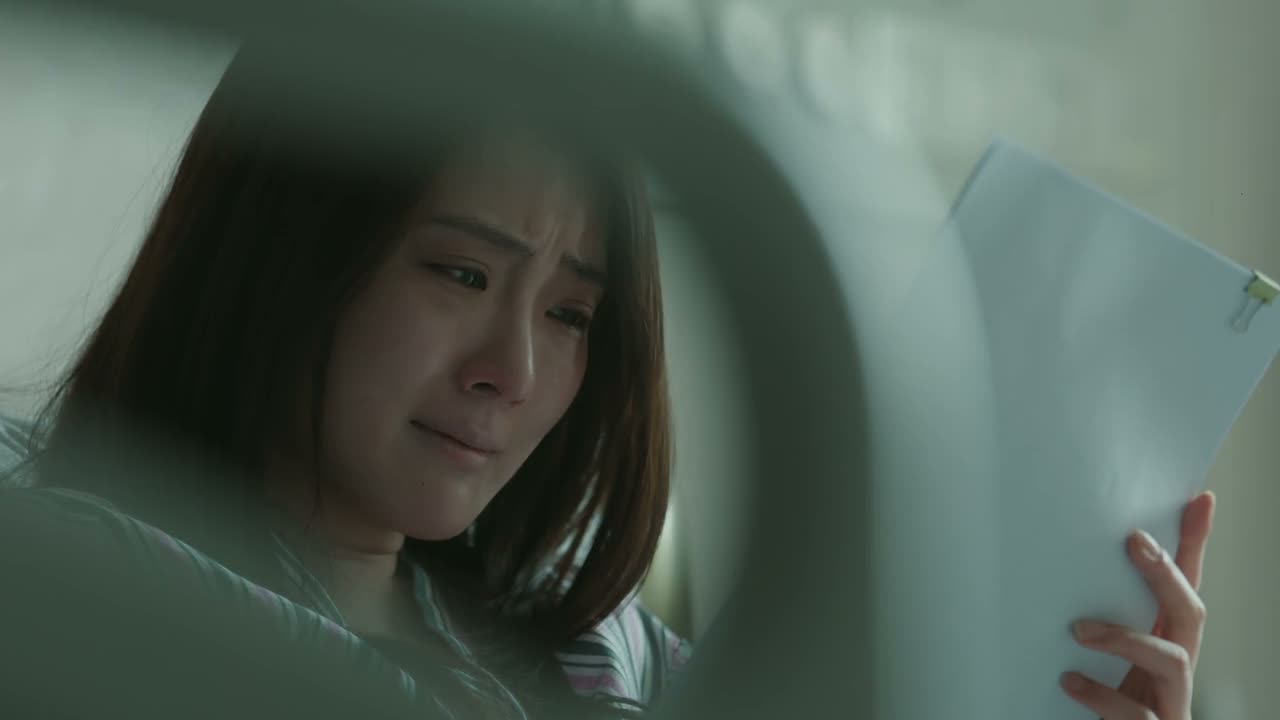
“there is a possibility”