我是这么教你的吗
“not ruin them.”
THE DIALOGUE REEL
我让你学洗衣服
“I told you to learn,”
我是 这么教你的 吗
“not ruin them.”
“You completely messed this up and didn't listen to a word I said.”
Chinese parents and elders frequently use rhetorical questions ('Is this what I taught you?') rather than direct statements to invoke shame and self-reflection in a subordinate.
LEARNING CHUNKS & PARTICLES
to teach like this / to instruct this way
Used in critical or rhetorical contexts when someone has carried out a task incorrectly.
Turns the statement into a sharp rhetorical question highlighting the listener's obvious error.
VOCABULARY & EXPRESSIONS
Parallel Spoken Cinema Scenes (语义近邻切片)
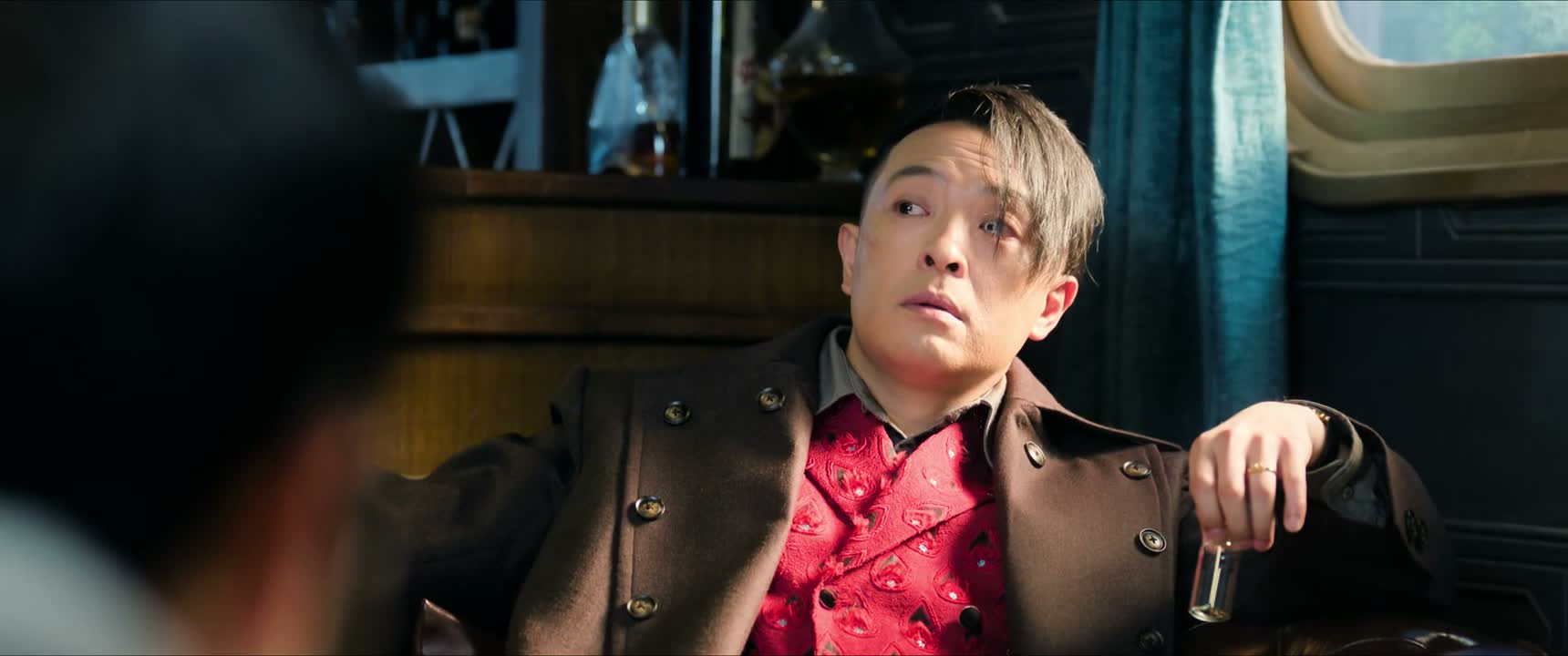
“Are you telling me what to do now?”
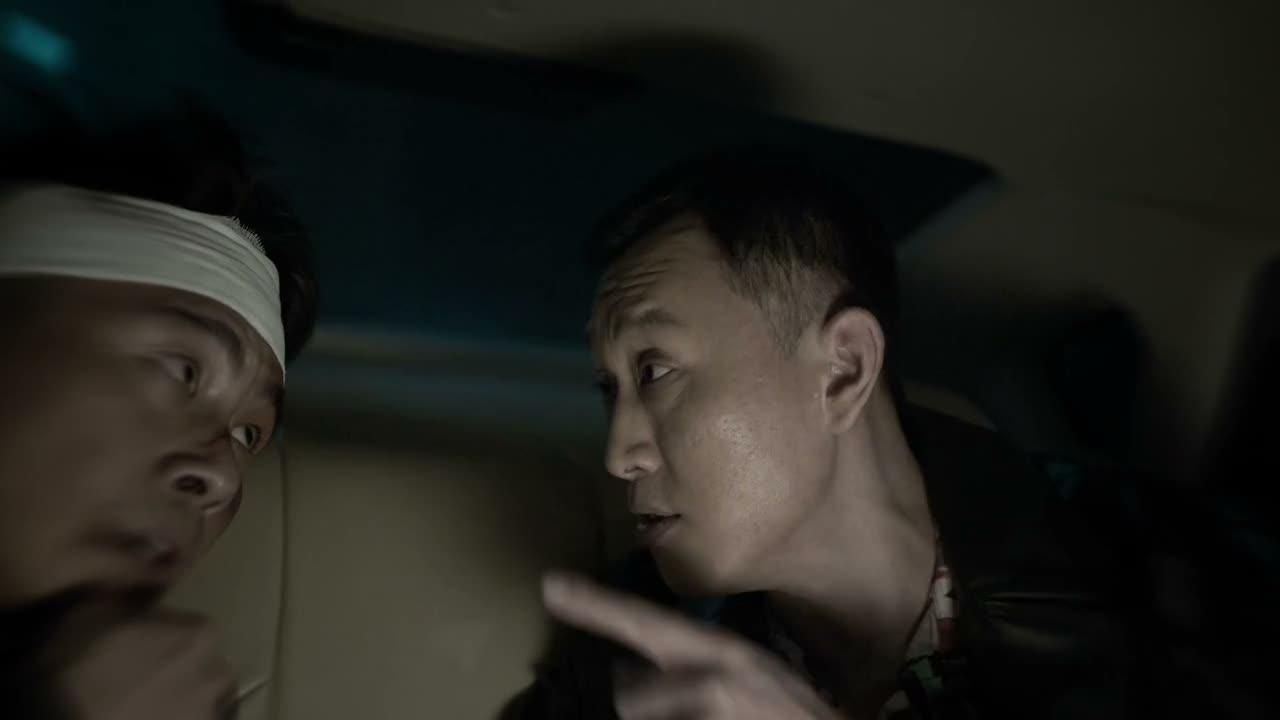
“to make your statement.”
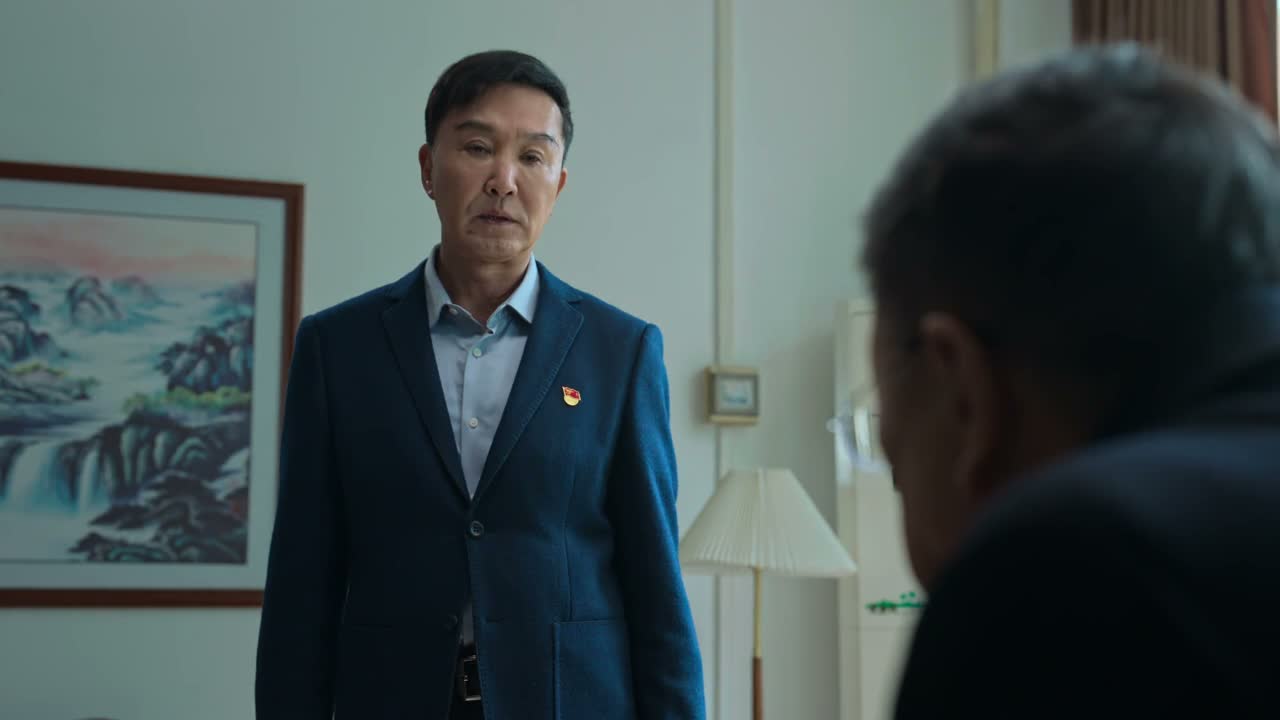
“a lot of things.”

“Remember what I taught you?”

“You taught her that? What even was that?”

“That's what Master taught you. Right?”