大人岂能为有了托辞而如此欣喜
“Finding a scapegoat isn't something to celebrate.”
THE DIALOGUE REEL
“It's meant to prevent coroners from being lazy or evasive.”
大人 岂能 为有了托辞而如此欣喜
“Finding a scapegoat isn't something to celebrate.”
形势所致 并非下官有心避罪
“It's just how things played out. I'm not trying to dodge responsibility.”
“You should be ashamed of yourself for rejoicing over a flimsy excuse instead of doing your duty.”
Imperial Chinese bureaucracy frequently suffered from low-level officials prioritizing self-preservation and procedural excuses over truth, often drawing fierce moral censure from righteous interlocutors.
LEARNING CHUNKS & PARTICLES
how could one... / how can it be permissible to...
A formal, literary rhetorical adverb used to introduce strong moral criticism or to question the legitimacy of someone's actions.
to perform duties perfunctorily / to skimp on responsibility
A classic formal idiom (chengyu) commonly used in professional and official contexts to criticize negligence.
VOCABULARY & EXPRESSIONS
Parallel Spoken Cinema Scenes (语义近邻切片)
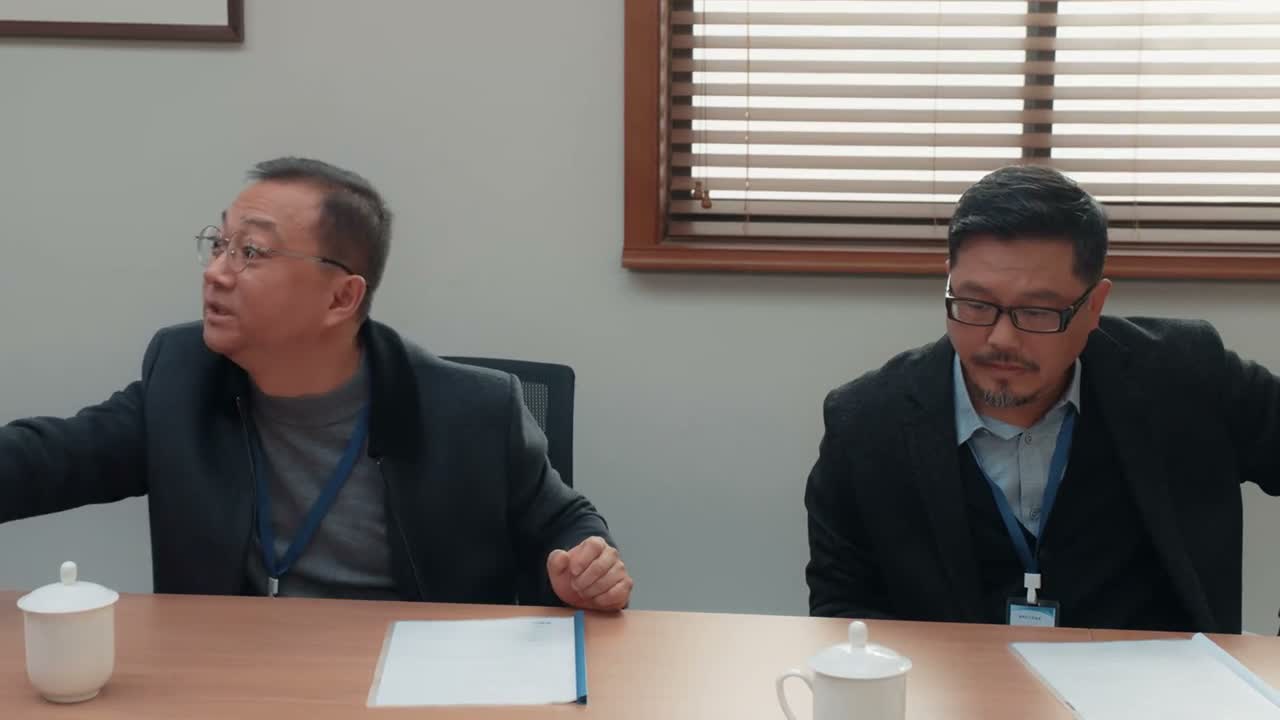
“what makes you think they'd deny my dad?”

“I'm also at fault for this.”

“Why must you be so sarcastic, Lord Chen?”

“what makes you think they'd deny my dad? I only said it was a possibility.”

“You have a point.”

“Were you trying to force him to confess by torture?”