你现在知道着急了 早干吗去了
“Now you're worried? So what were you doing back then?”
THE DIALOGUE REEL
你是队长 你身体垮了 我怎么办 他们怎么办
“You're the Captain! If you collapse, what am I supposed to do? What are they supposed to do?”
你现在 知道 着急了 早干吗去了
“Now you're worried? So what were you doing back then?”
你平时要多管管扎西 他也不会闯这样的祸
“If you had kept a closer eye on Tashi, he wouldn't have caused this mess.”
“It's too late to panic now; you should have paid attention when it actually mattered.”
In Chinese interpersonal conflict, rhetorical questions beginning with '早...' are frequently used to emphasize personal responsibility and reprimand past negligence.
LEARNING CHUNKS & PARTICLES
to finally realize the urgency / to start panicking
Used critically when someone begins worrying only after a crisis has already erupted.
why didn't you do something sooner?
A highly colloquial, sharp rhetorical reproach reprimanding someone for procrastination or lack of foresight.
Marks a change of state, highlighting the listener's sudden and tardy onset of worry.
VOCABULARY & EXPRESSIONS
Parallel Spoken Cinema Scenes (语义近邻切片)

“Where were you before? Why bring this up now?”
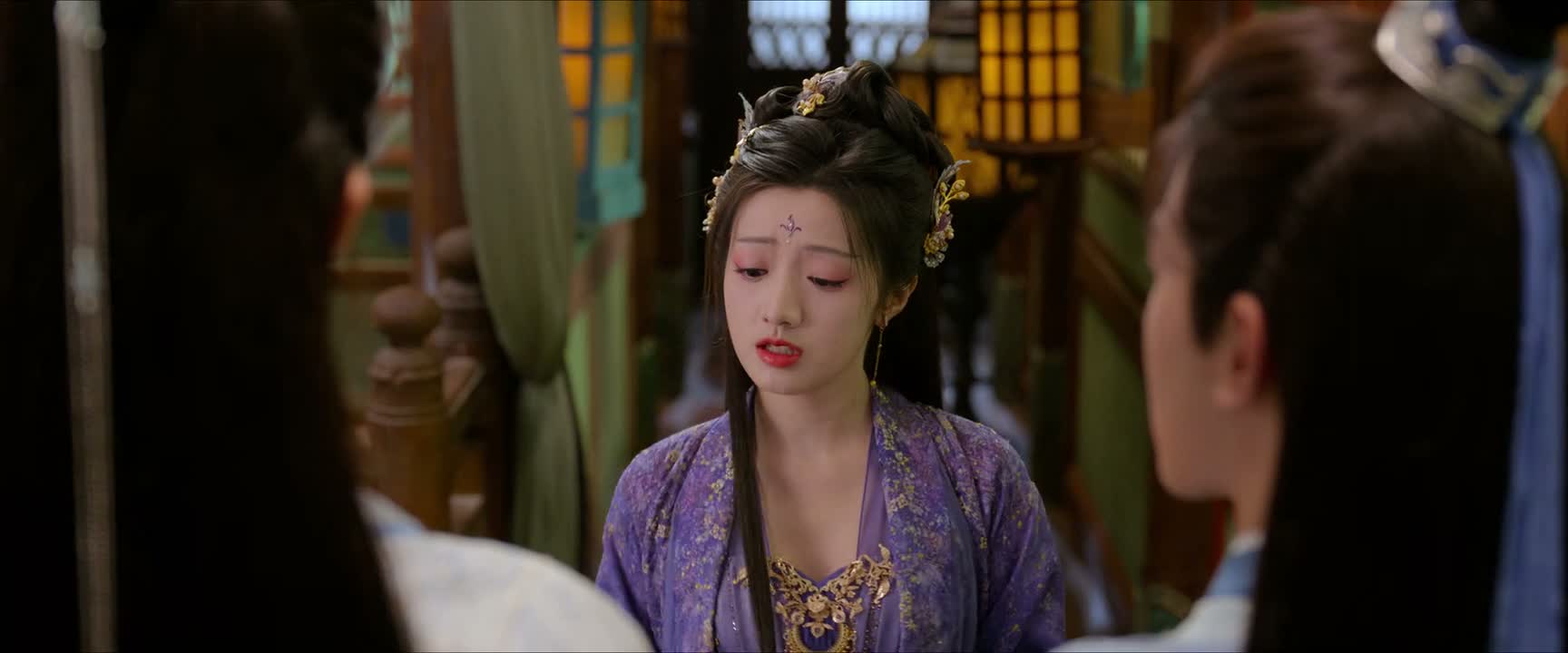
“You seem to be in a hurry.”

“I just wanted to check: you rushed off just now.”

“You'd just worry for nothing.”

“Even if she’d known back then, all she could’ve done was worry. Of course,”