但是你看过之后呢 一定要放回原处
“After reading them, return them to their places.”
THE DIALOGUE REEL
没事儿 这书你可以看
“It's okay. You can read these books.”
但是 你看 过 之后呢 一定要 放回原处
“After reading them, return them to their places.”
因为这些书都是圆圆的
“These books all belong to Yuanyuan.”
“You may read them, but don't mess them up or leave them lying around.”
Respecting personal belongings and returning items strictly as found reflects good manners and trust-building in Chinese daily etiquette.
LEARNING CHUNKS & PARTICLES
to put back in its original place
A standard, practical phrase used when instructing someone to return a borrowed or misplaced item.
after reading/looking at it
A common temporal construction ('Verb + 过之后') meaning 'after having done something'.
Serves as a gentle pause marker after a conditional clause, softening the directness of the upcoming instruction.
VOCABULARY & EXPRESSIONS
Parallel Spoken Cinema Scenes (语义近邻切片)

“to finish reading it quickly and then return it.”
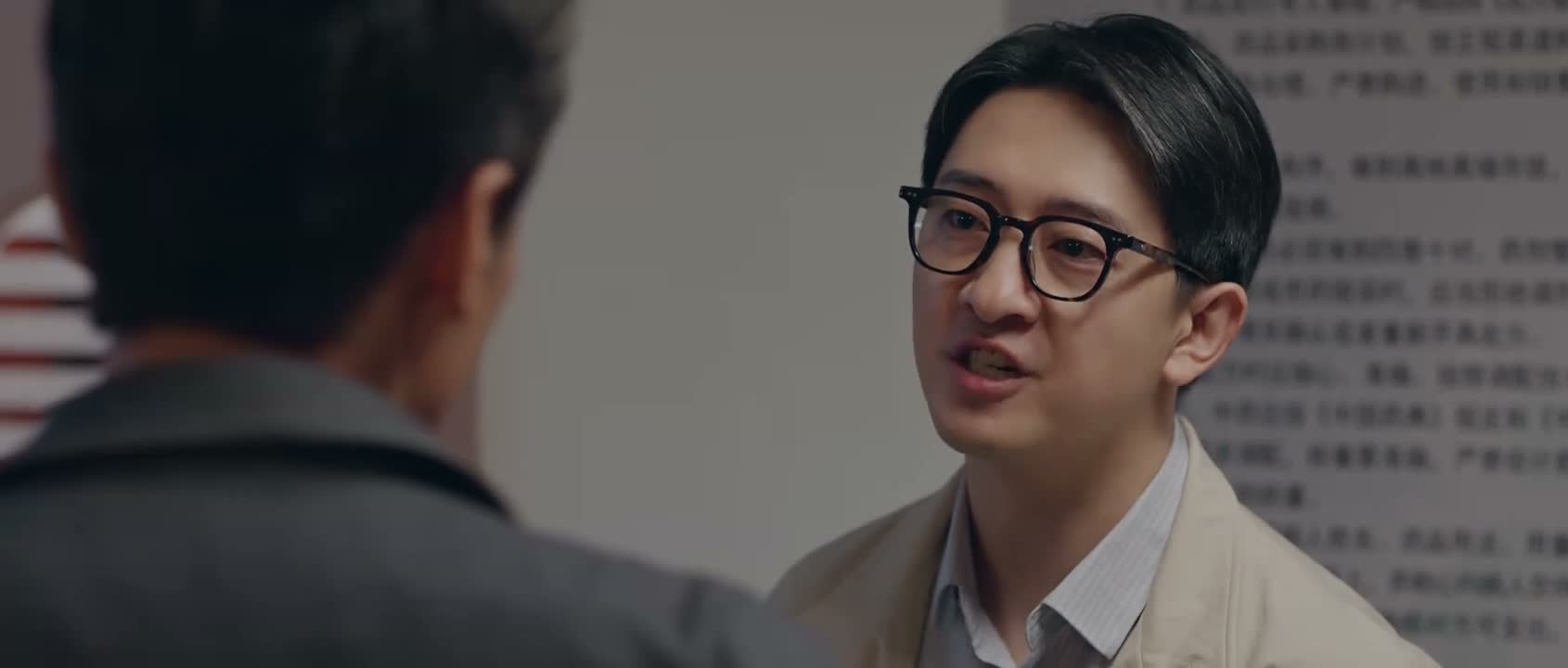
“I just want to know. Did you spread the false news about my master?”
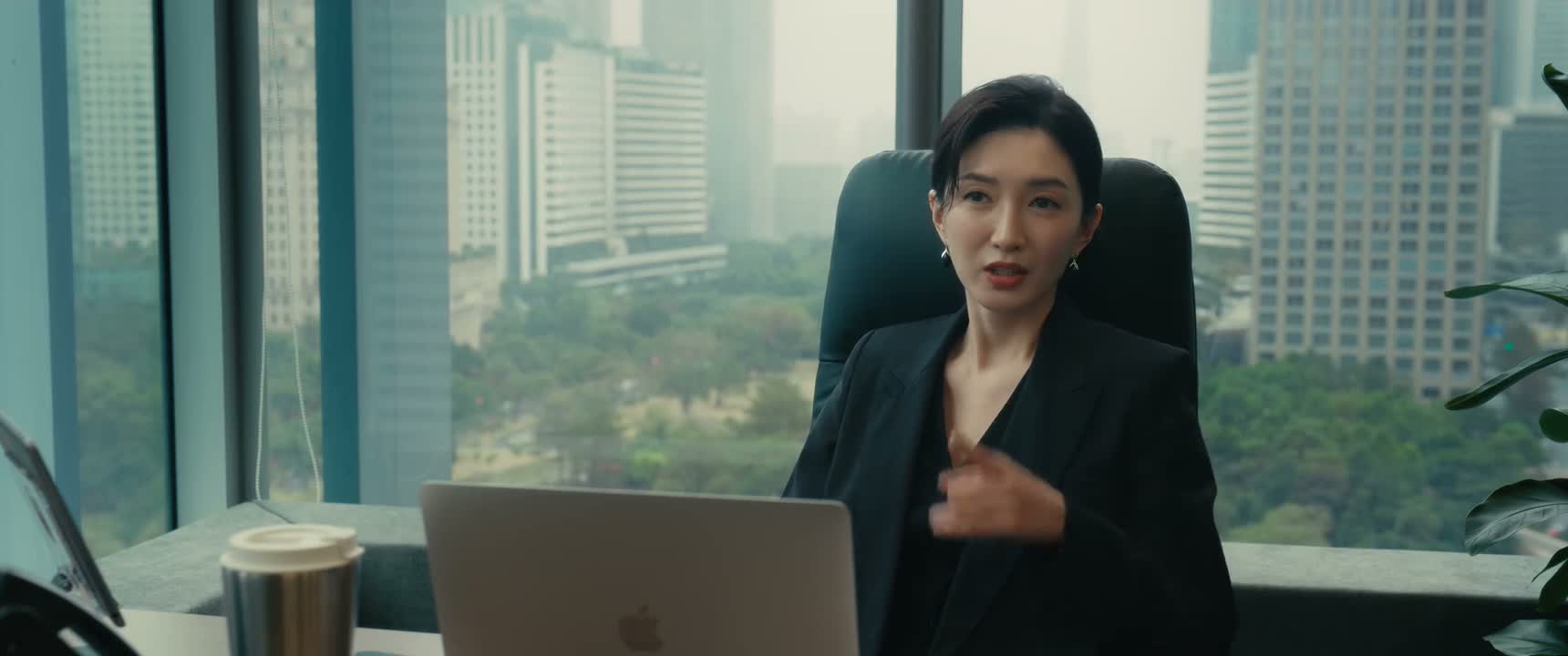
“Yes, take this back and review it carefully.”
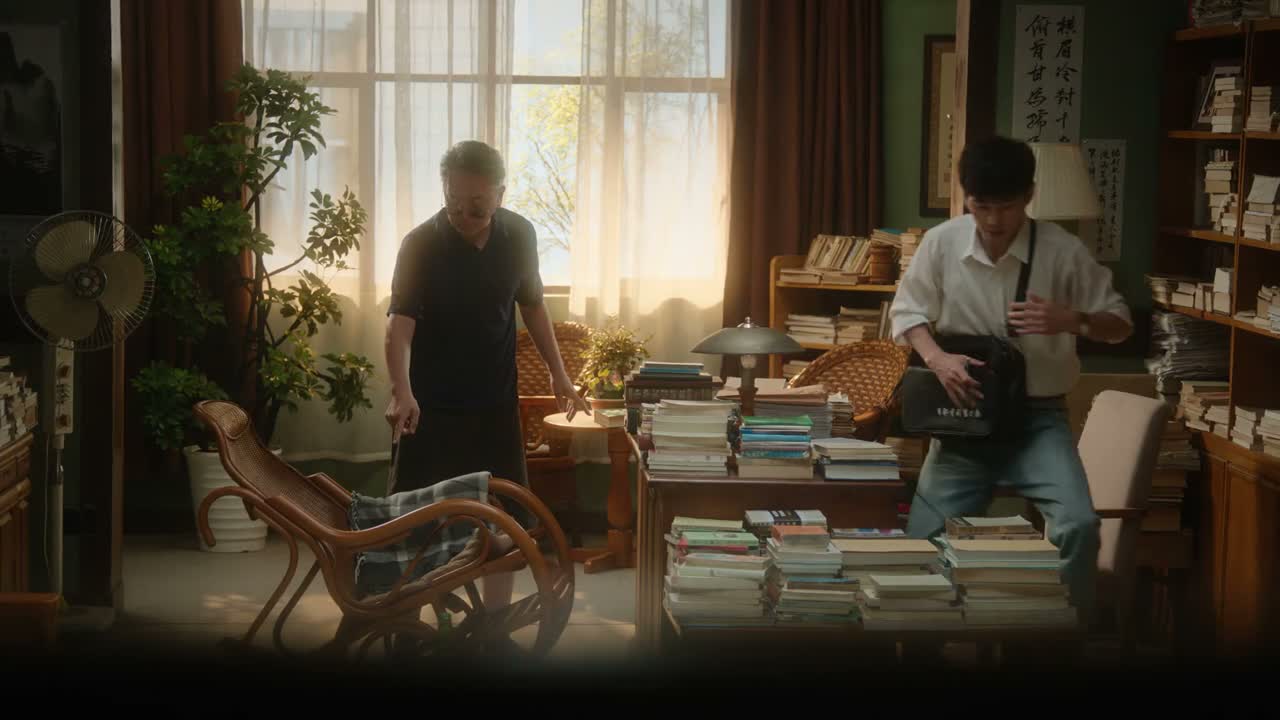
“Move it back for me! Move it back!”
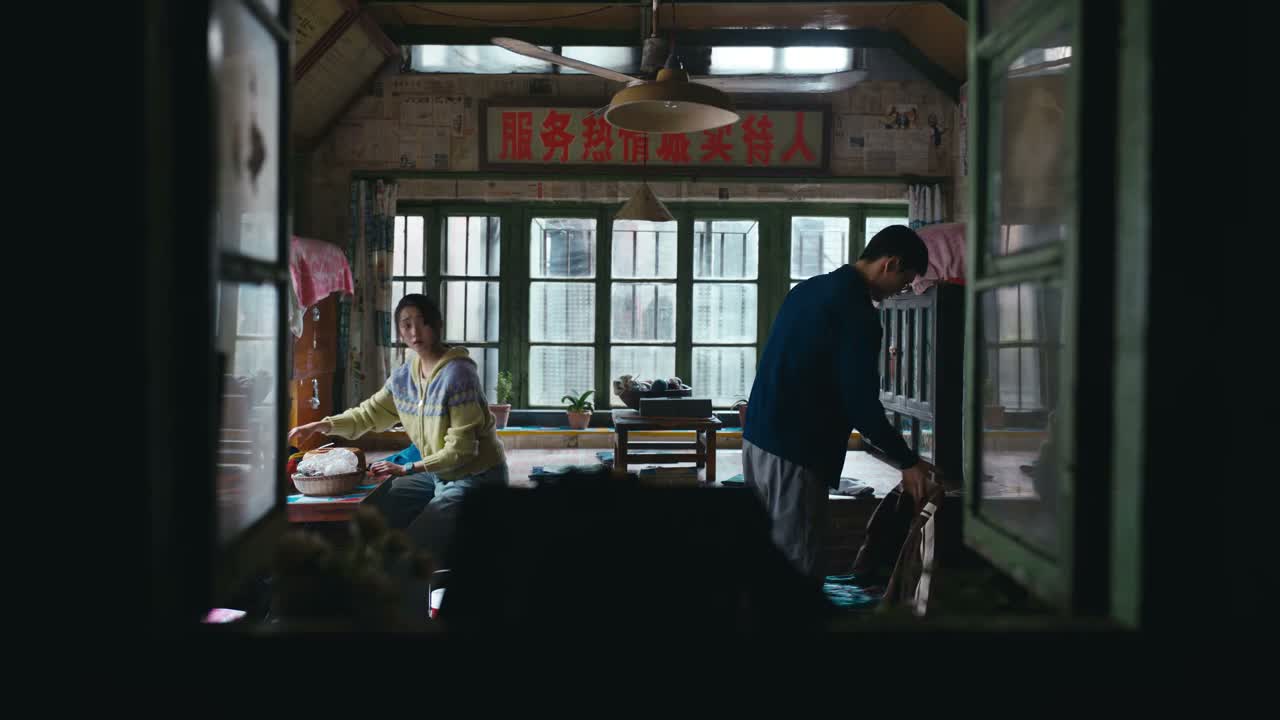
“No need. Just leave them there.”

“Little thief, put everything you stole back where it belongs.”