他害怕了 这不是人之常情 很正常吗
“He was scared. Isn't that human nature? Isn't it normal?”
THE DIALOGUE REEL
那再说了 李青一死 他就把车给藏起来了
“Besides, after Li Qing died, he hid the car.”
他 害怕了 这不是 人之常情 很正常 吗
“He was scared. Isn't that human nature? Isn't it normal?”
我觉得你不正常
“I don't think you are normal.”
“Stop overthinking it; anyone would panic in that situation.”
Chinese speakers often appeal to shared human instincts (人之常情) to justify flaws, panic, or self-preservation in debates.
LEARNING CHUNKS & PARTICLES
human nature / completely natural behavior
Use this set idiom when defending an instinctual or common emotional reaction as understandable.
Indicates an entry into a state of fear.
Forms a rhetorical question to prompt agreement from the listener.
VOCABULARY & EXPRESSIONS
Parallel Spoken Cinema Scenes (语义近邻切片)

“Aren't you scared? He treats me very well. Why would I be scared?”

“Are you scared now? What's there to be scared about?”
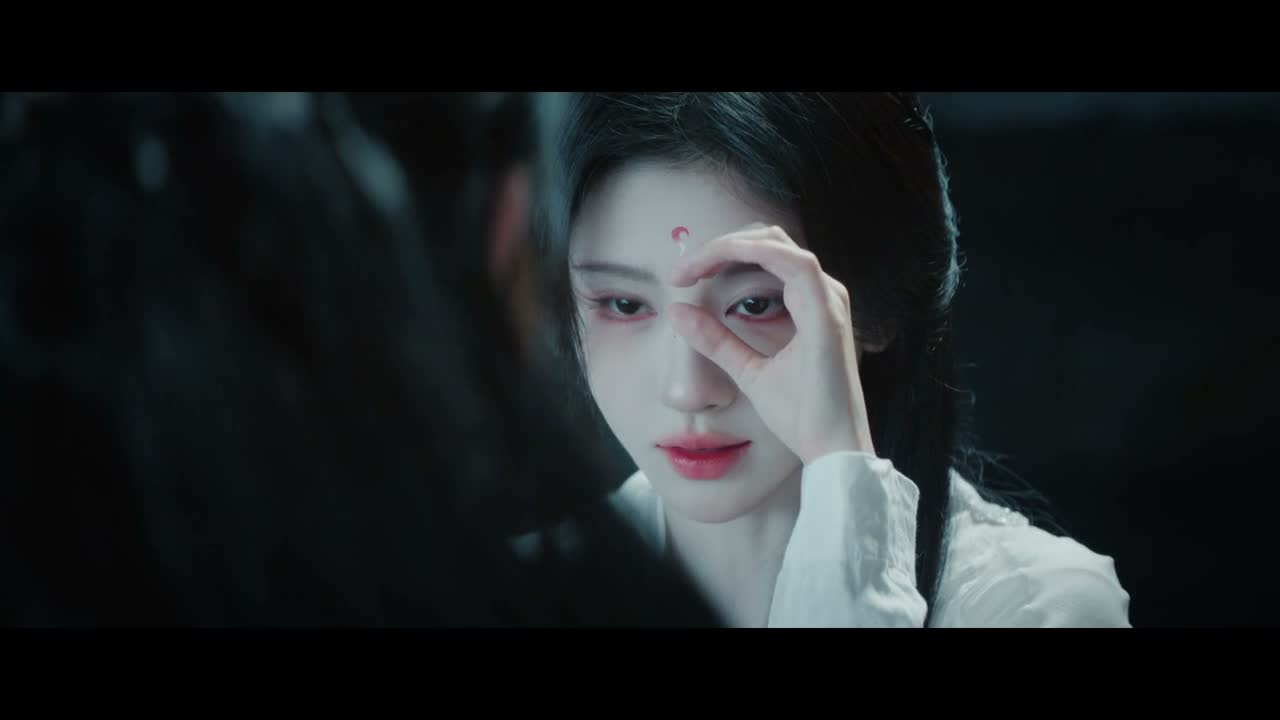
“I think I'm really not afraid anymore.”

“I was afraid you'd scare them.”

“Are you scared? If you are, it's not too late to back out.”

“I'm also afraid that some complications might pop up.”