电报都给打过去了 咱不能刚一来就给人迟到
“A telegram's been sent. We can't show up late on Day 1. It'd leave a bad impression.”
THE DIALOGUE REEL
那秦娥是省秦请去的女主角 人早都安排好了
“Qin'e is the lead invited by the provincial troupe. They've made all the arrangements.”
电报都给打过去了 咱 不能 刚一来就 给人 迟到
“A telegram's been sent. We can't show up late on Day 1. It'd leave a bad impression.”
“It'd leave a bad impression. - No problem. - Qin'e, where are you going?”
“Hurry up, we cannot afford to look unprofessional on our very first day.”
In Chinese work culture, punctuality upon arrival directly impacts the reputation of one's entire sending institution, making tardiness a serious breach of etiquette.
LEARNING CHUNKS & PARTICLES
right when (we) arrive
Used to describe an immediate action or impression made upon reaching a new place.
be late for someone / show up late to someone's detriment
The '给' construction here marks affectedness, highlighting that being late harms the other party or the relationship.
VOCABULARY & EXPRESSIONS
Parallel Spoken Cinema Scenes (语义近邻切片)

“Why didn't you send a telegram? I would have picked you up.”
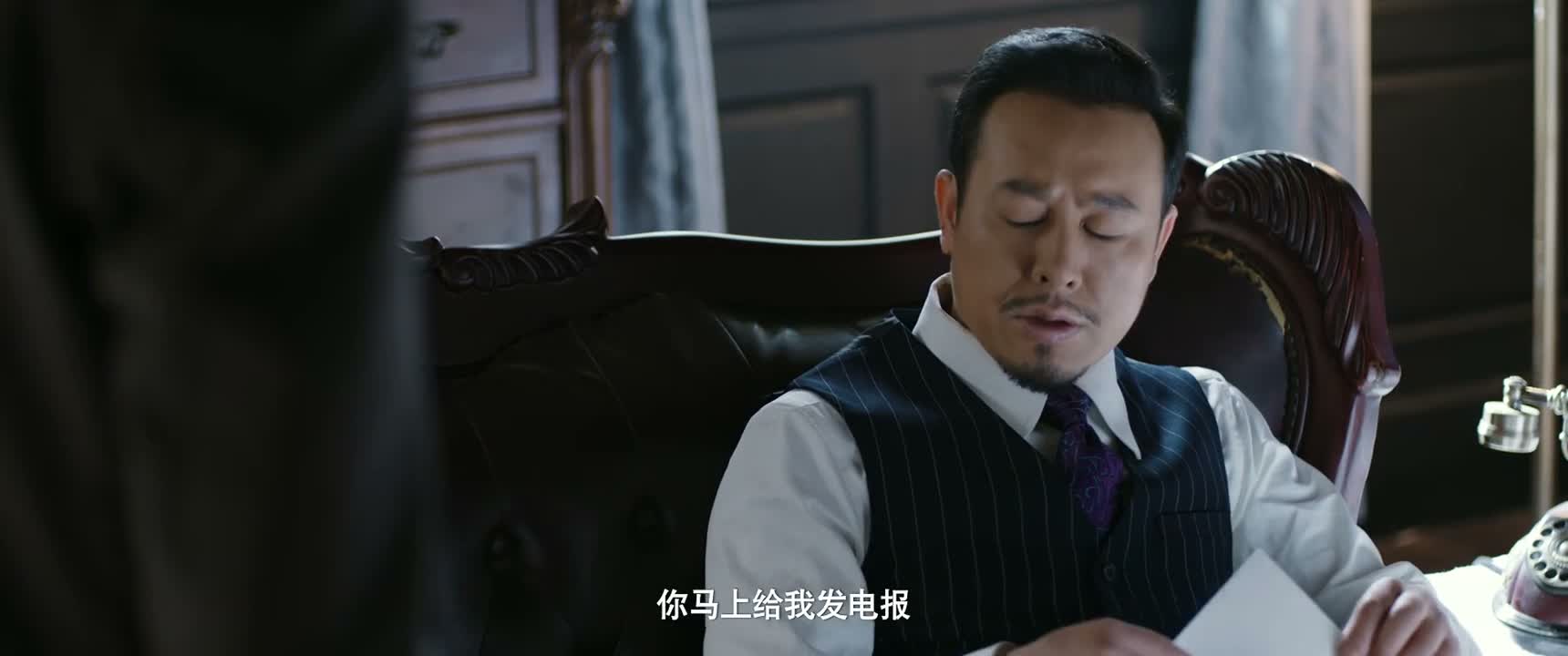
“Send a telegram immediately”
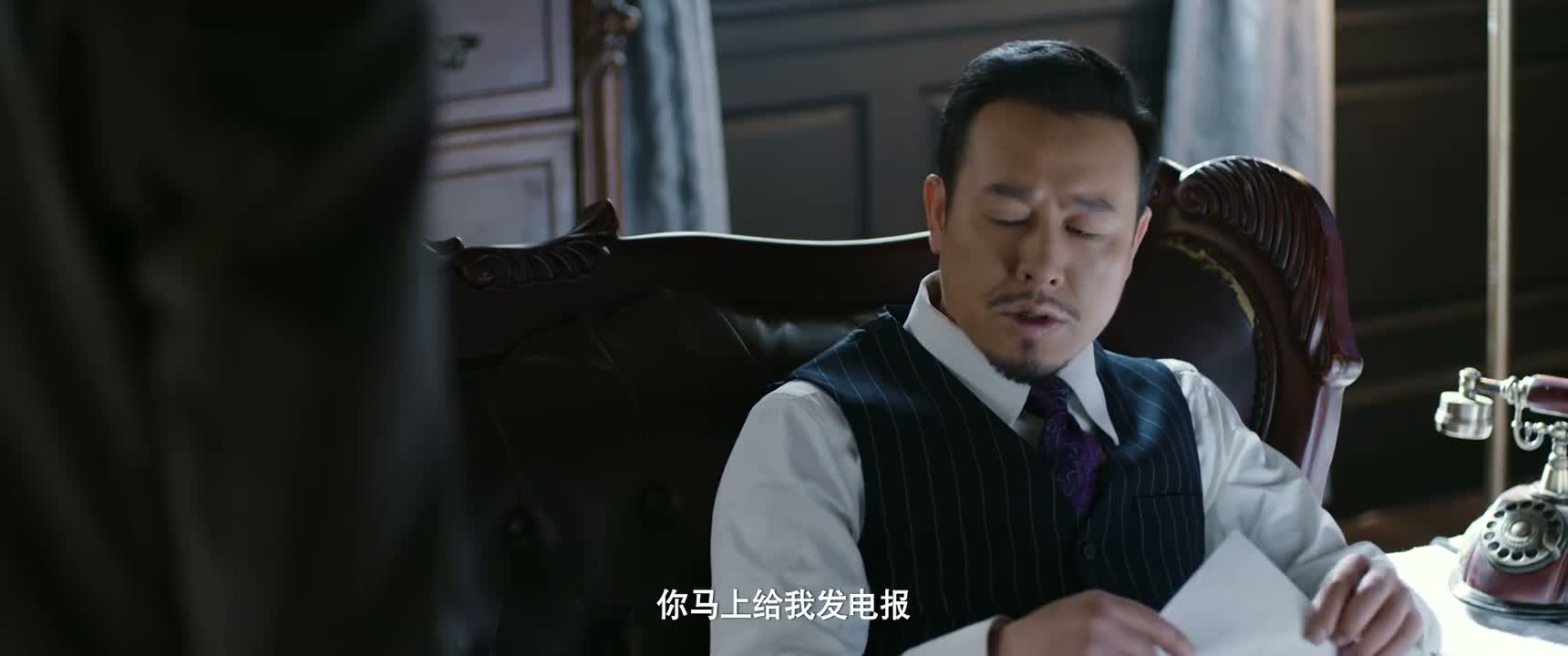
“Send a telegram immediately.”

“why didn't you send me a telegram?”

“You're late. You arrived too early.”

“Cheng, we'll arrive tomorrow. Why send a telegram?”