这看着太寒酸了 好好 快了啊 下周就做好了
“That sign looks far too shabby. Okay, okay. Soon. The new one will be ready next week.”
THE DIALOGUE REEL
先把门口那招牌换了
“replace the sign by the door first?”
这 看着 太寒酸了 好好 快了 啊 下周就做 好了
“That sign looks far too shabby. Okay, okay. Soon. The new one will be ready next week.”
烫金大字
“With large gold-embossed letters!”
Direct spoken expression in this communicative setting.
In Chinese business culture, the storefront or office signage (门面) directly embodies creditworthiness and prestige; looking '寒酸' (shabby) is viewed as a serious liability to business face.
LEARNING CHUNKS & PARTICLES
shabby / miserable-looking / impoverished
A vivid adjective used to describe items, decor, or outfits that appear cheap, unpresentable, or lacking dignity.
soon / nearly done
A concise colloquial reassurance that an expected process or delivery is almost finished.
Functions both in '太寒酸了' (excessive degree marker) and '做好了' (completion of an upcoming state).
Softens the urgent promise '快了' to provide comfort and pacify the listener's concern.
VOCABULARY & EXPRESSIONS
Parallel Spoken Cinema Scenes (语义近邻切片)
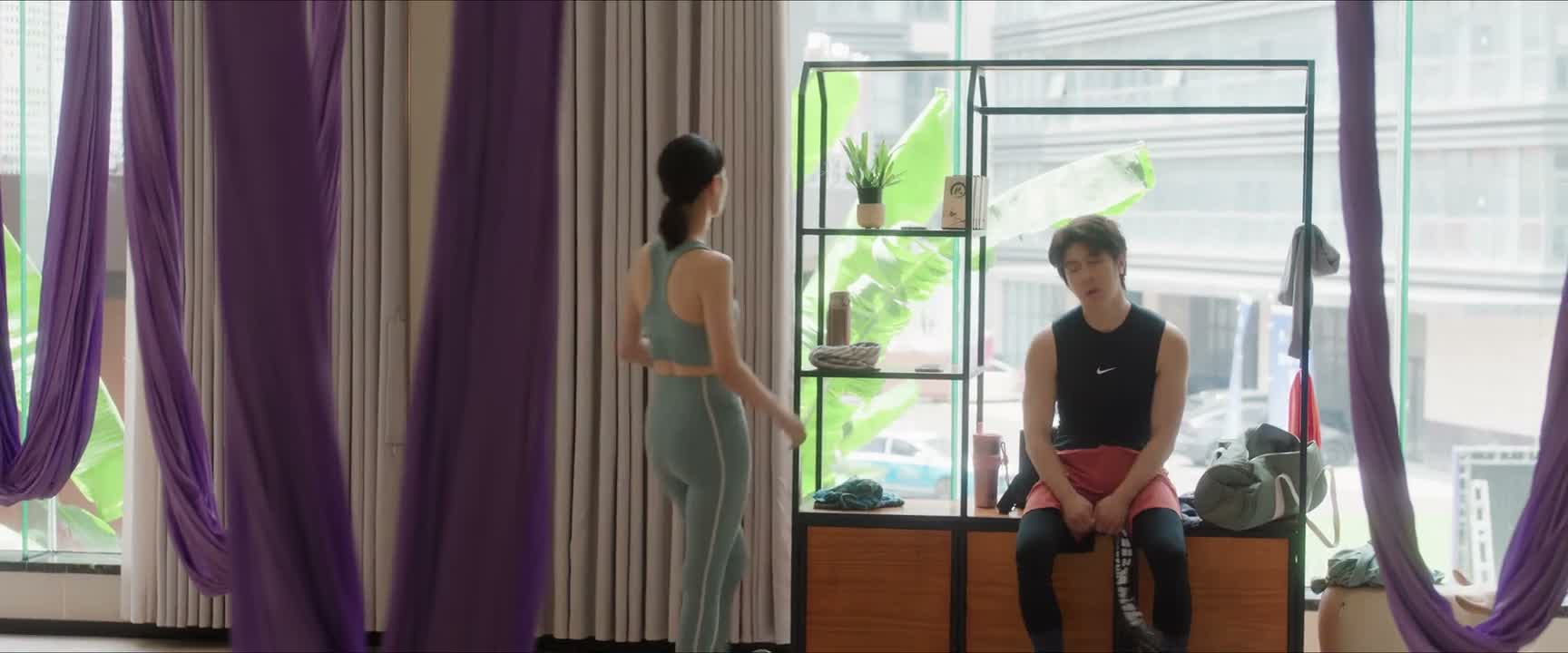
“You did great just now. So, what do you think? Want to continue next week?”

“That's great. How about this? This Friday,”

“Okay. Thank you for your help.”

“Thank you. See you on Saturday. Alright.”
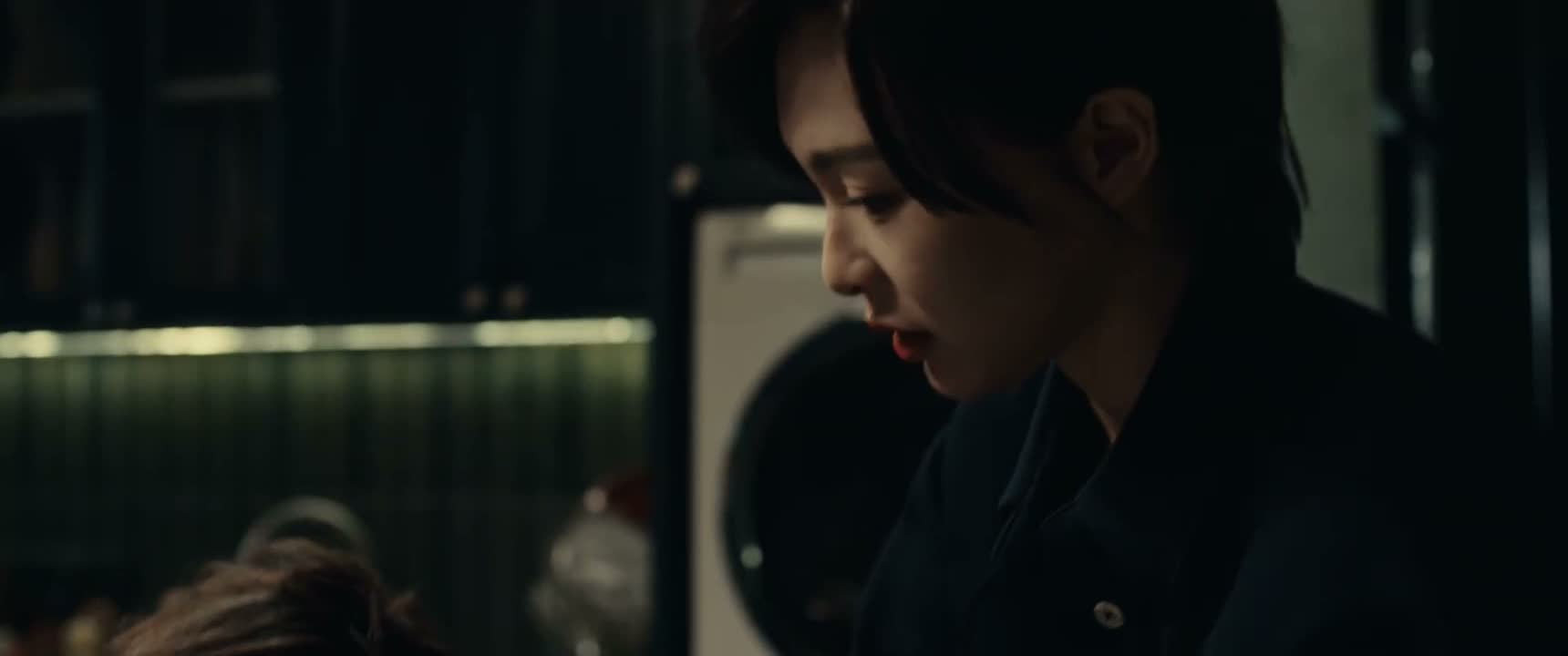
“Alright. That's enough. Let me see.”

“It's a little ugly, but you did a pretty good job.”