那些话 我不应该对他说的
“I shouldn't have said those words to him.”
THE DIALOGUE REEL
“I didn't even know what he was facing, yet I blamed him.”
那些话 我 不应该 对他说的
“I shouldn't have said those words to him.”
“Ms. Xiao, what did you say to him?”
Direct spoken expression in this communicative setting.
Elder family members in traditional Chinese culture rarely apologize directly to younger generations; openly acknowledging a verbal mistake signifies profound guilt and heartbreak.
LEARNING CHUNKS & PARTICLES
I shouldn't have
Use this structure to express direct personal regret or self-criticism about a past mistake.
say to him
The standard grammatical pattern '对 + person + 说' for directing verbal statements toward someone.
Functions in the '是...的' construction emphasizing certainty and finality regarding an evaluation of past behavior.
VOCABULARY & EXPRESSIONS
Parallel Spoken Cinema Scenes (语义近邻切片)

“there are some things I don't know whether I should say.”

“I shouldn't have said those things to you.”

“Don't say that. Then what should I say?”

“to say all that to me at this very place?”
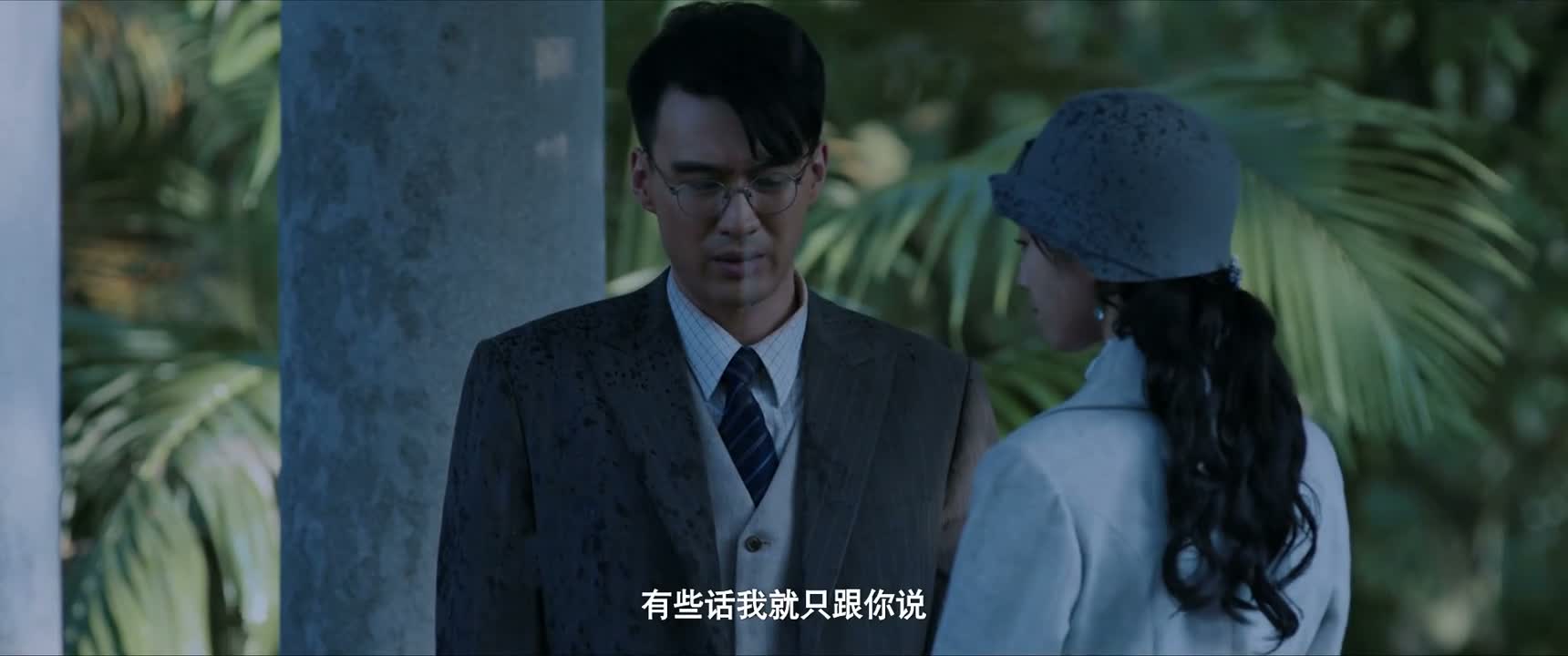
“I'll only say this to you.”
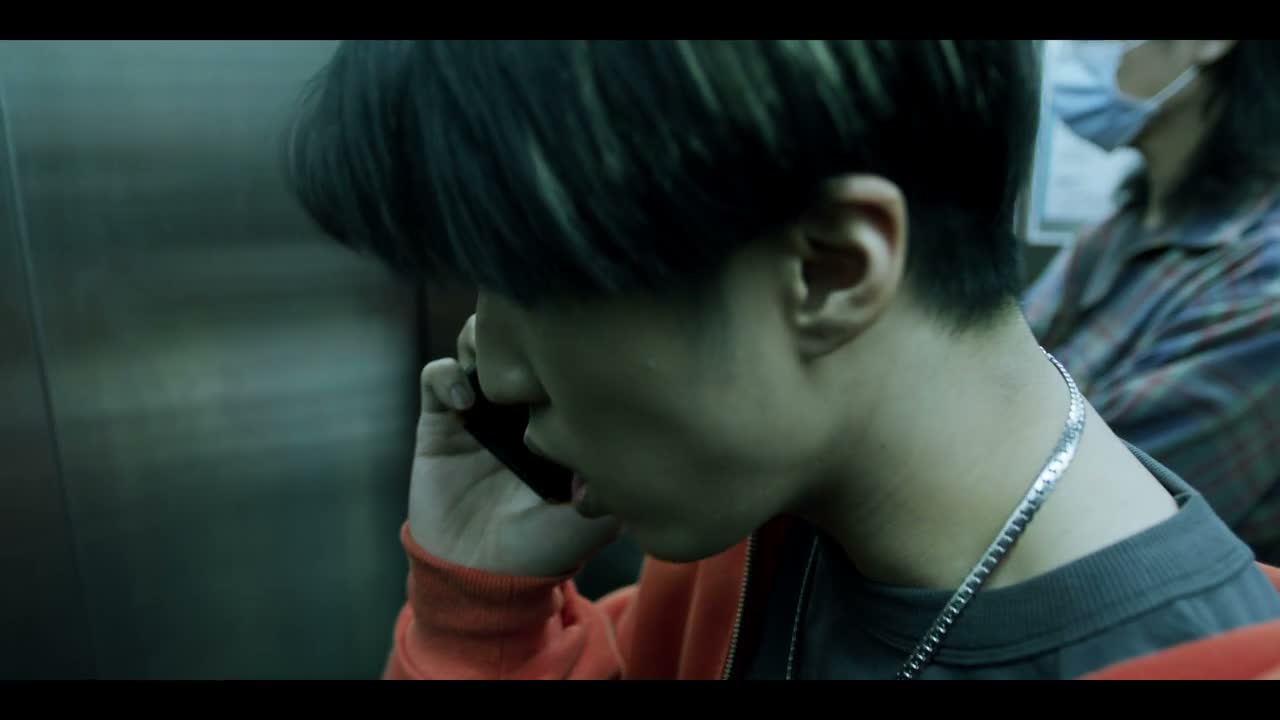
“- [friend] Not yet. - If they do, don't say anything. [friend] Yeah, no shit. I know what to do.”