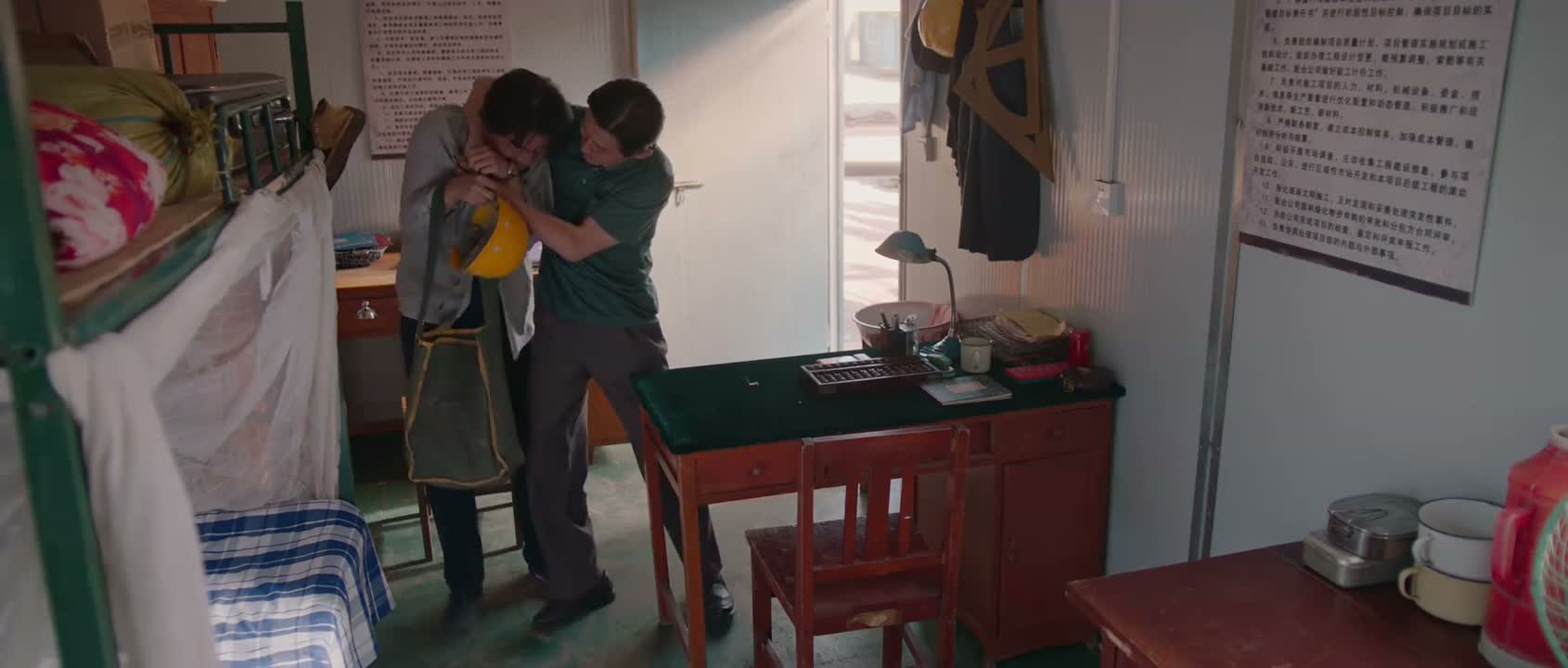
亲哥俩打打闹闹 不是很正常吗
“It's normal that two brothers have a fight once in a while.”
THE DIALOGUE REEL
亲哥 俩 打打闹闹 不是 很正常 吗
“It's normal that two brothers have a fight once in a while.”
“Mind your own business, this fight between brothers is none of your concern.”
In Chinese culture, internal family conflicts are often shielded from external scrutiny and framed as trivial roughhousing to protect family solidarity and avoid outside interference.
LEARNING CHUNKS & PARTICLES
full brothers / biological brothers
Use to emphasize blood relations between male siblings to highlight closeness or excuse minor disputes.
roughhousing / scuffling playfully
A common reduplicated idiom used to describe playful physical wrestling or minor bickering without malice.
Forms a rhetorical question that expects strong agreement, asserting that the behavior is completely standard.
VOCABULARY & EXPRESSIONS
Parallel Spoken Cinema Scenes (语义近邻切片)
“Are we not close anymore after two years?”

“they were too embarrassed to keep arguing.”

“We're practically brothers. If they want to run around, fine. I don't care.”

“we're no different from real brothers,”