进去
Common spoken expression used by native Chinese speakers in daily life.
[Scene: 其他场景]
(10 clips)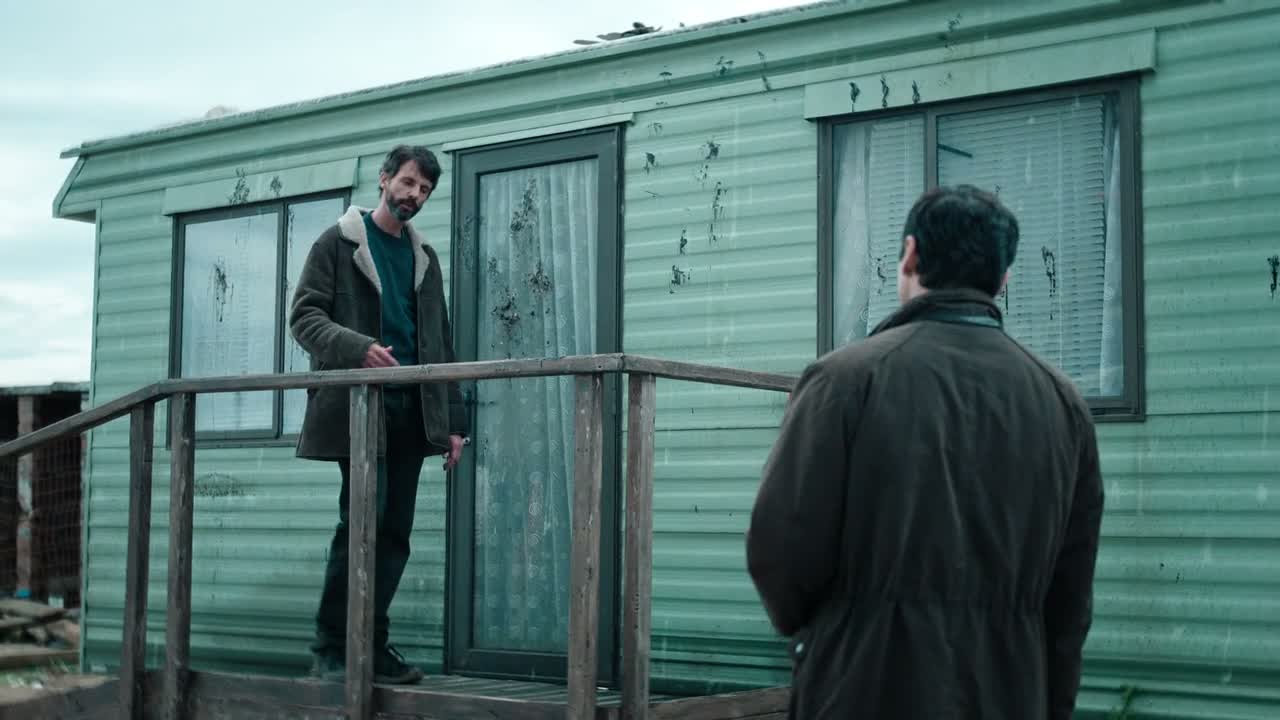 00:02
 00:02
 00:02
 00:02
 00:02
 00:02
 00:02
 00:02
(做了交易?他需要一个父亲 不是他妈的汽车推销员) ── Previous context
“Then you poke your nose in and balls it up like you want to sabotage things.”
 00:02
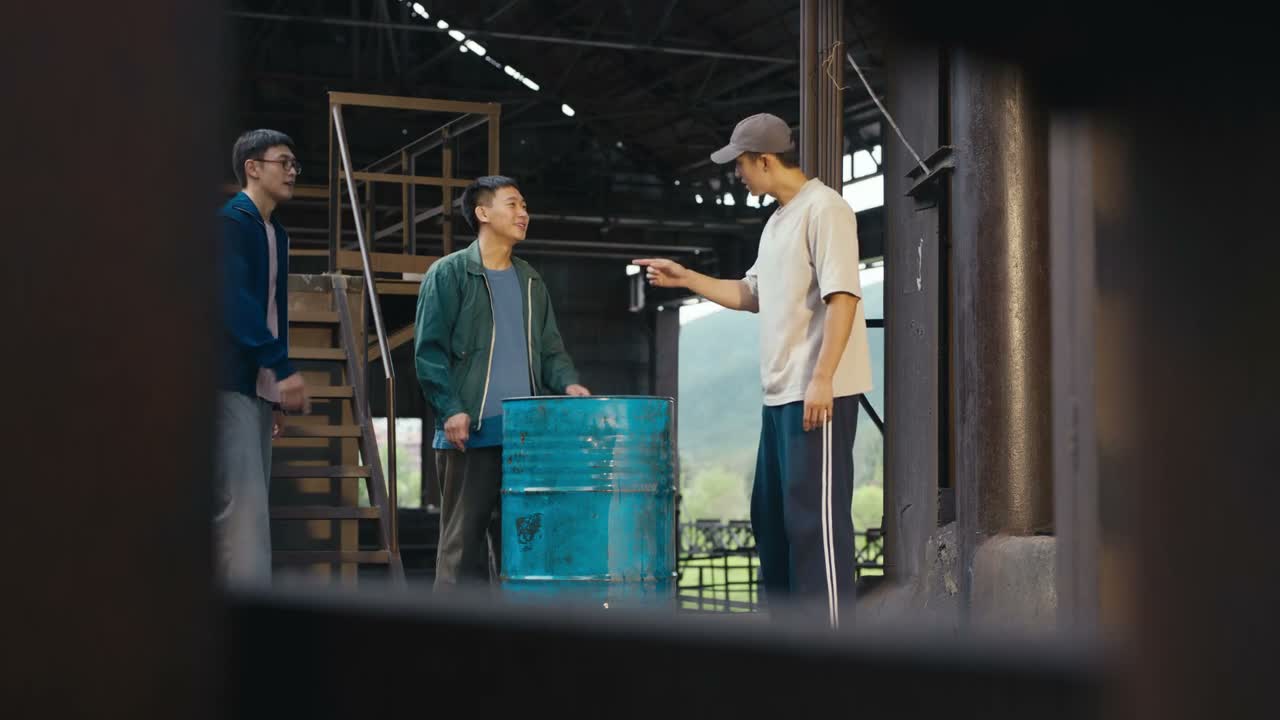 00:02
[Scene: 警匪刑侦]
(6 clips)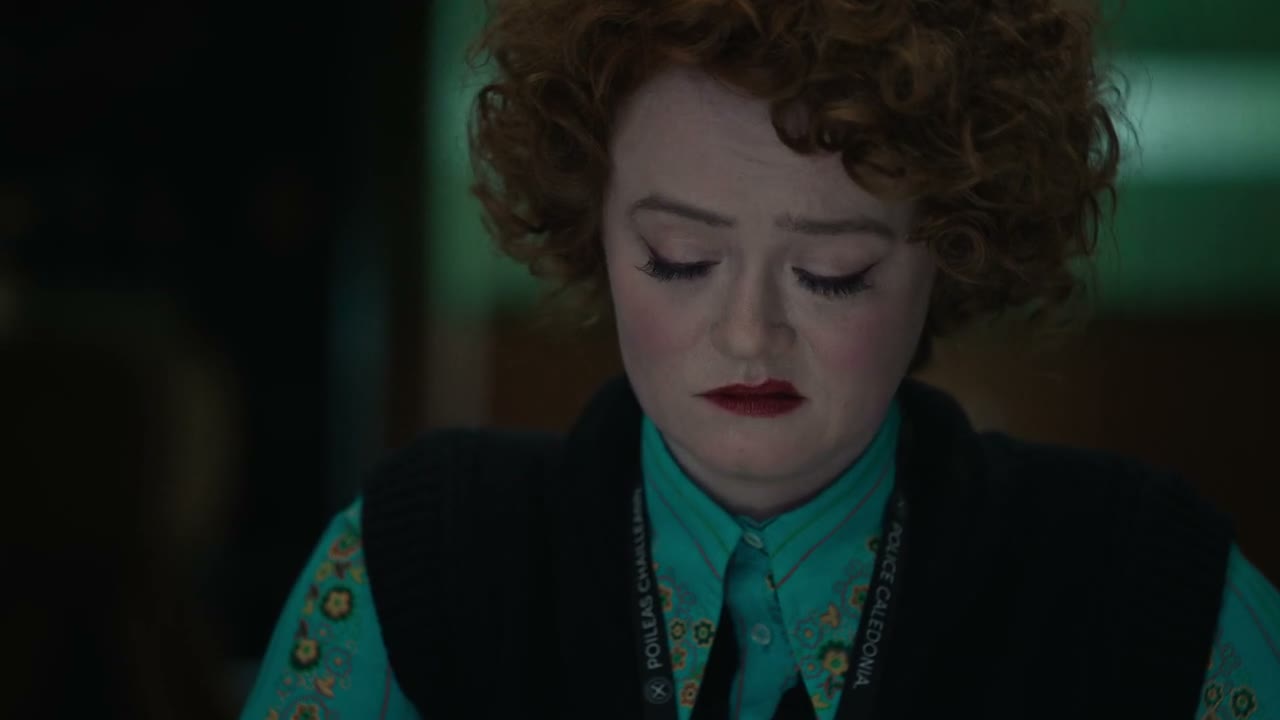 00:03
(孩子的父母发现他 睡在孩子床边的地板上) ── Previous context
“Lyle broke in during the night. He was 12.”
 00:02
(你现在是管才盛的时候吗) ── Previous context
“Meng Guangcai has been in for a month. He probably can't even save himself.”
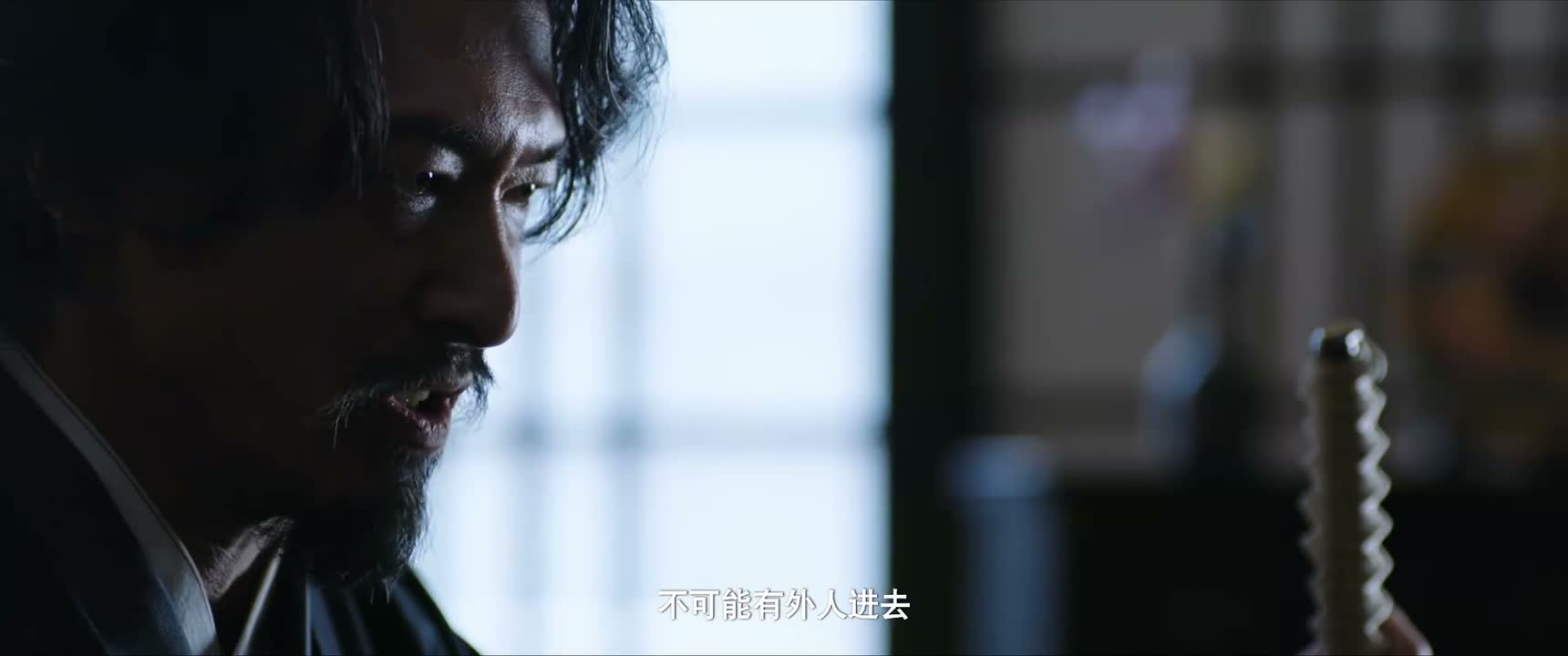 00:02
 00:02
 00:02
 00:02
[Scene: 其他场景]
(3 clips) 00:03
 00:02
 00:02
[Scene: 餐饮美食]
(3 clips) 00:02
 00:02
 00:02
[Scene: 其他场景]
(3 clips) 00:03
(你在走廊哭得像狗一样) ── Previous context
“But the second you walked into her room, you made her laugh.”
 00:02
(高压氧舱) ── Previous context
“It's what they put divers in if they get the bends.”
 00:02
(警官 你等一下) ── Previous context
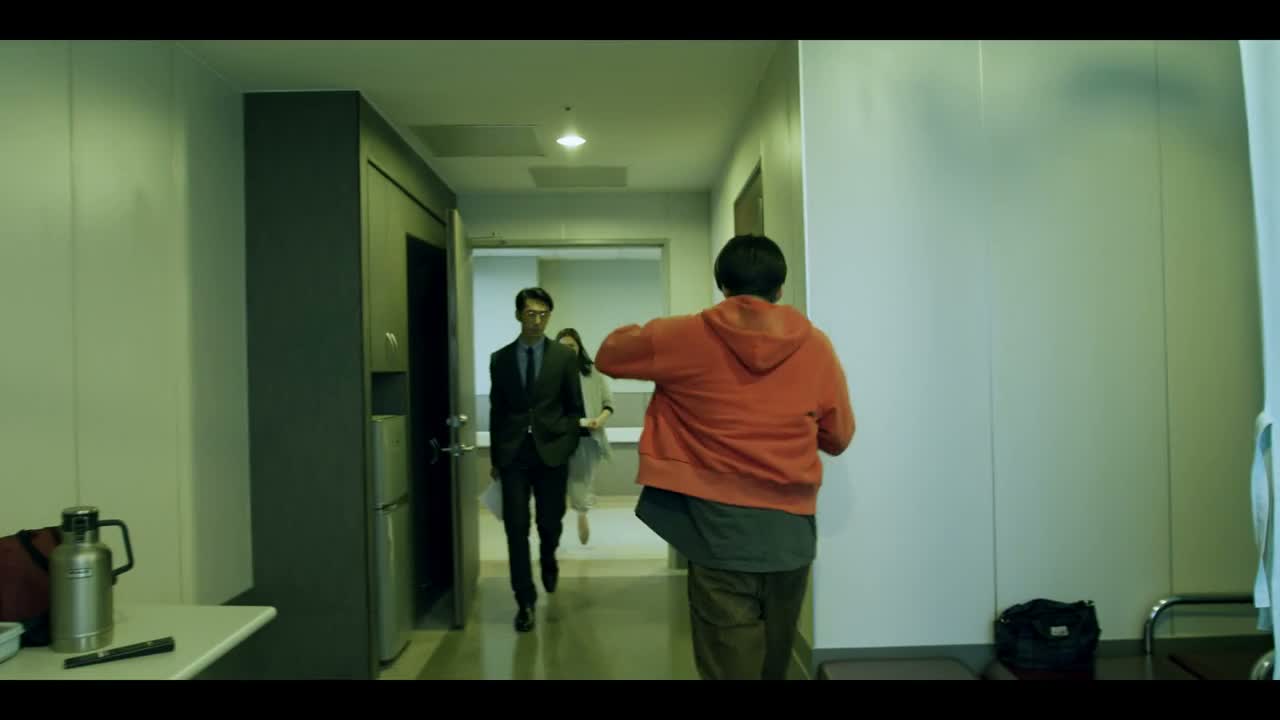
“[mother] You can't just barge in! Mrs. Wei, I'll see you later.”
[Scene: 职场工作]
(2 clips) 00:02
 00:02
[Scene: 家庭日常]
(1 clips) 00:03
(对 我也照顾了哈利) ── Previous context
“After he died, sometimes she'd just put us in there”
[Scene: 社交聚会]
(1 clips) 00:02
(可都是小女生) ── Previous context
“Do you really think it's okay for a guy to go in there?”
📌 该你了
→Nuance: 同向近义词根配对: [牵连 ↔ 牵扯]
📌 不容易
→Nuance: 均表达让对方情绪变好
📌 领证
→Nuance: 同向近义词根配对: [不及 ↔ 没有]
📌 小心
→Nuance: 同为把人丢去喂蛇的威胁
📌 不好意思
→Nuance: 同样阻止进入,表达更委婉客气
📌 不好意思
→Nuance: 同向近义词根配对: [我们 ↔ 咱们]