吃不消
chī bù xiāoCommon spoken expression used by native Chinese speakers in daily life.
[Scene: 其他场景]
(2 clips) 00:03
 00:02
[Scene: 家庭日常]
(2 clips) 00:03
(爹 回来了) ── Previous context
“If you don't eat a bite, your body won't be able to take it.”
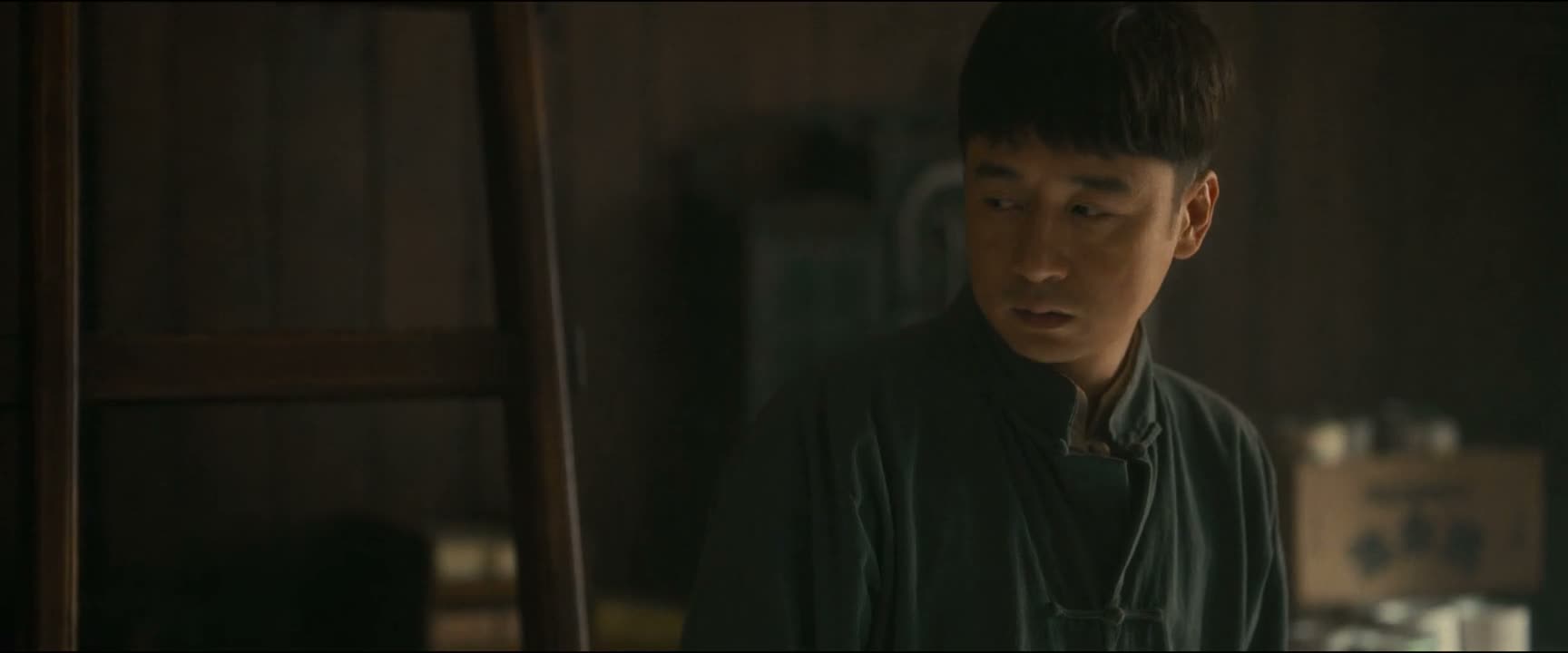 00:03
[Scene: 历史宫廷]
(1 clips) 00:03
(圣上身体状况如何) ── Previous context
“The imperial physician says His Majesty has suffered too many shocks, he's overwhelmed”
[Scene: 警匪刑侦]
(1 clips) 00:03
(徐局 最近要不要把叶谦 在重案队的工作先停下来) ── Previous context
“I'm worried he can't handle both. I trust him.”
[Scene: 职场工作]
(1 clips) 00:03
(不送慢走啊) ── Previous context
“Your body won't be able to handle that much tea. I can handle it.”
📌 没事
→Nuance: 同向近义词根配对: [老人 ↔ 老头]
📌 待会
→Nuance: 同为劝阻过量饮用句式
📌 心疼
→Nuance: 同为劝食,表达更显亲昵心疼
📌 心疼
→Nuance: 同为心疼劝食意图可互换
📌 人家
→Nuance: 同向近义词根配对: [老人 ↔ 老头]
📌 不舒服
→Nuance: 同向近义词根配对: [身体 ↔ 身子]
📌 身体不太好
→Nuance: 同向近义词根配对: [身体 ↔ 身子]
📌 多注意
→Nuance: 同向近义词根配对: [身体 ↔ 身子]
📌 身体不舒服
→Nuance: 同向近义词根配对: [身体 ↔ 身子]
📌 不行
→Nuance: 核心劝慰意图一致,更侧重健康