我可不得搭把手嘛 快坐吧
“I had to lend a hand. Take a seat.”
THE DIALOGUE REEL
“She's had it tough on her own. Since you were too busy,”
我 可不得 搭把手 嘛 快坐吧
“I had to lend a hand. Take a seat.”
这些年 你们家的事 我都当成是自己的事来办的
“Over the years, I've treated your family's affairs as my own.”
“Of course I had to step in and help out—I've always carried the weight for your family.”
In Chinese acquaintance networks and kinship relations, 'da ba shou' (lending a hand) is not merely physical assistance, but a crucial way to maintain interpersonal bonds ('renqing'), demonstrate closeness, and show loyalty, often followed by emotional solidarity or reciprocal favors.
LEARNING CHUNKS & PARTICLES
isn't that just so; of course it must be
A high-frequency Northern colloquial sentence pattern expressing strong agreement and emphasizing that something is completely natural or self-evident.
lend a hand; help out
A colloquial term rich with everyday flavor, often used to describe offering a small favor or casual mutual assistance among neighbors, relatives, and friends.
Used at the end of a sentence to indicate that a fact is obvious or self-evident, reinforcing an assertive tone.
Used at the end of an imperative sentence to indicate a warm urge, suggestion, or polite hospitality.
VOCABULARY & EXPRESSIONS
Parallel Spoken Cinema Scenes (语义近邻切片)

“Come here. Give me a hand.”

“I'll give you a hand. Won't hold you up?”
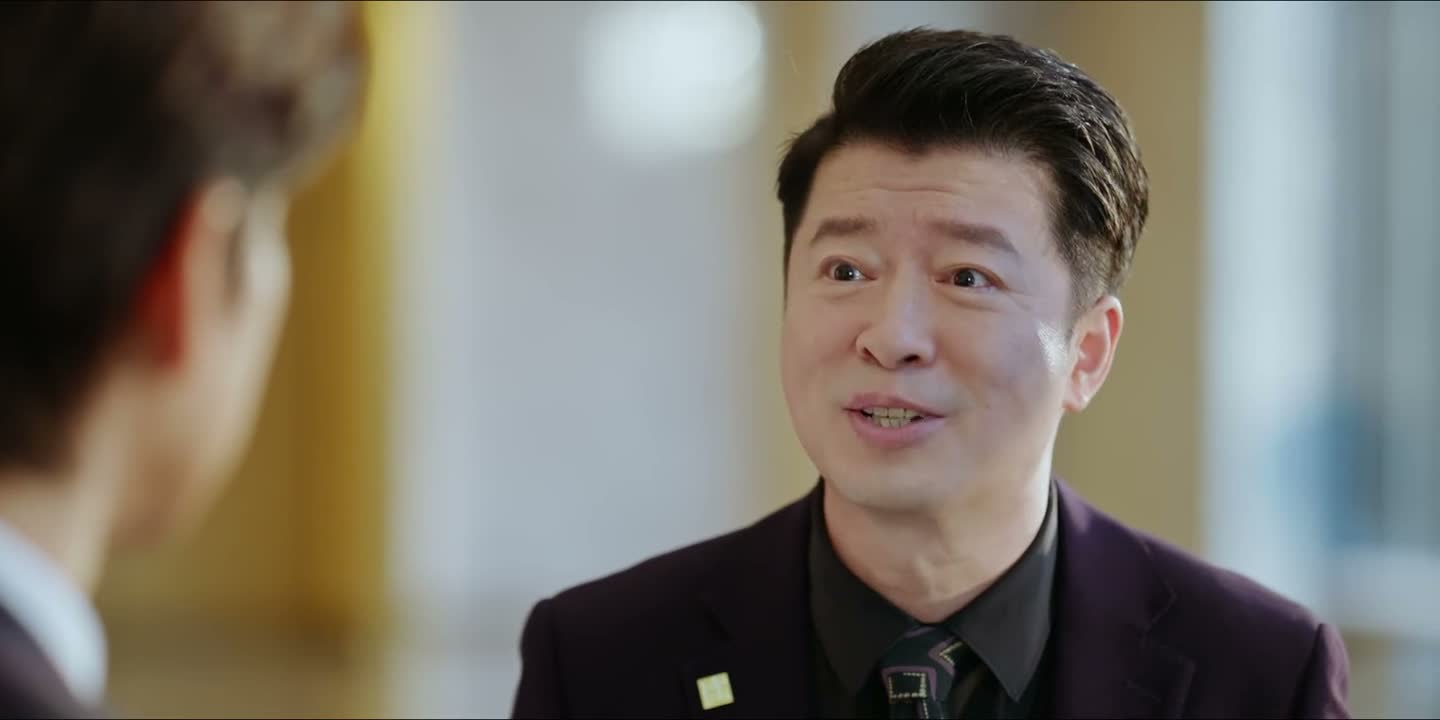
“so I can lend a hand.”
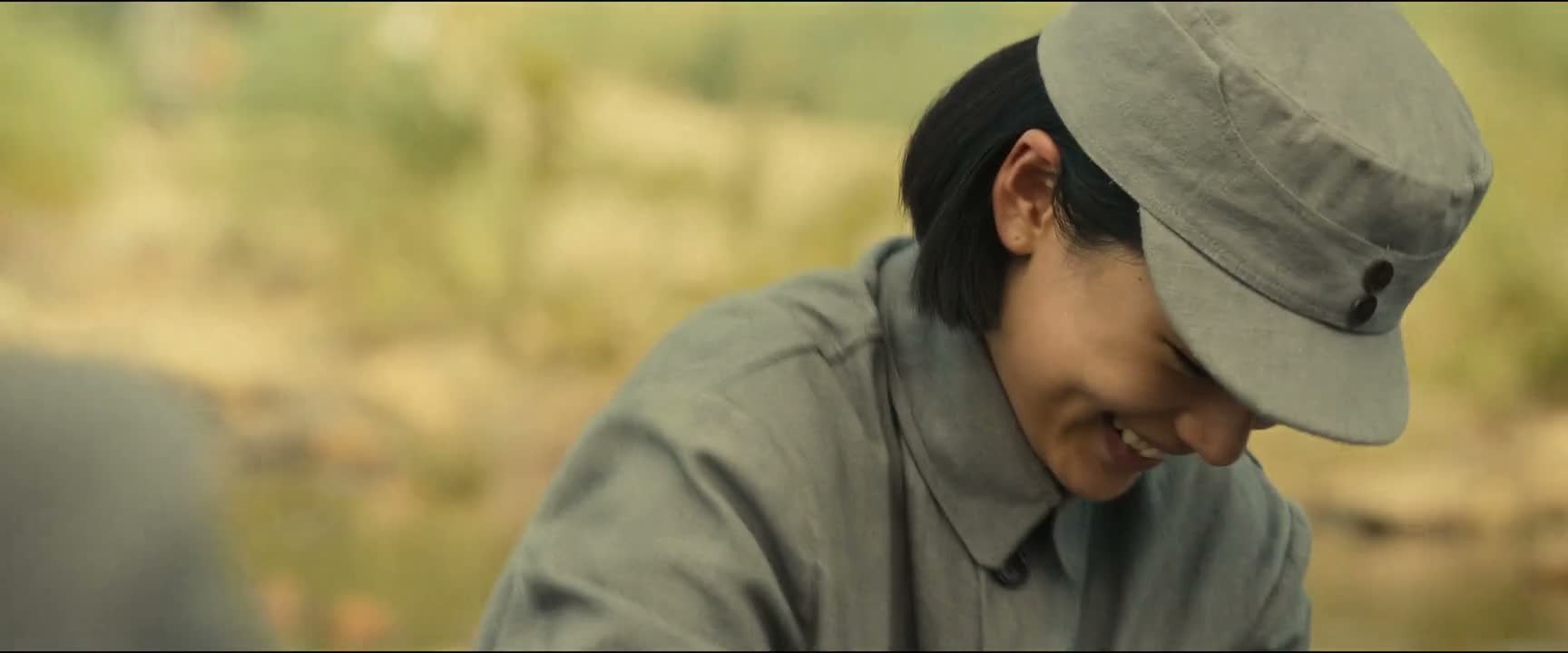
“Come, give me a hand.”

“I'll add some extra. Why such a hurry?”

“Help me out here! I'm almost done!”