慢走啊 谢谢啊 拜拜 走了啊
“- Take care. - Thanks. - Bye. - We're off.”
THE DIALOGUE REEL
拿好
“Here.”
慢走啊 谢谢啊 拜拜 走了啊
“- Take care. - Thanks. - Bye. - We're off.”
给你们俩的饮料
“Drinks for both of you.”
Direct spoken expression in this communicative setting.
When saying goodbye in spoken Chinese, speakers often string together multiple parting remarks, such as offering thanks, telling someone to take care, and saying bye (e.g., 'man zou a, xie xie a, bai bai'), to convey greater warmth, politeness, and hospitality.
LEARNING CHUNKS & PARTICLES
take care / mind your step (polite farewell to departing guests)
An extremely frequent polite formula used by hosts or service staff when seeing guests out, often followed by the modal particle 'a'.
I'm leaving / heading out now
Used in casual speech to announce one's departure, frequently accompanied by waving goodbye.
Used successively at sentence ends to soften the parting tone and add warmth, enthusiasm, and friendliness.
VOCABULARY & EXPRESSIONS
Parallel Spoken Cinema Scenes (语义近邻切片)
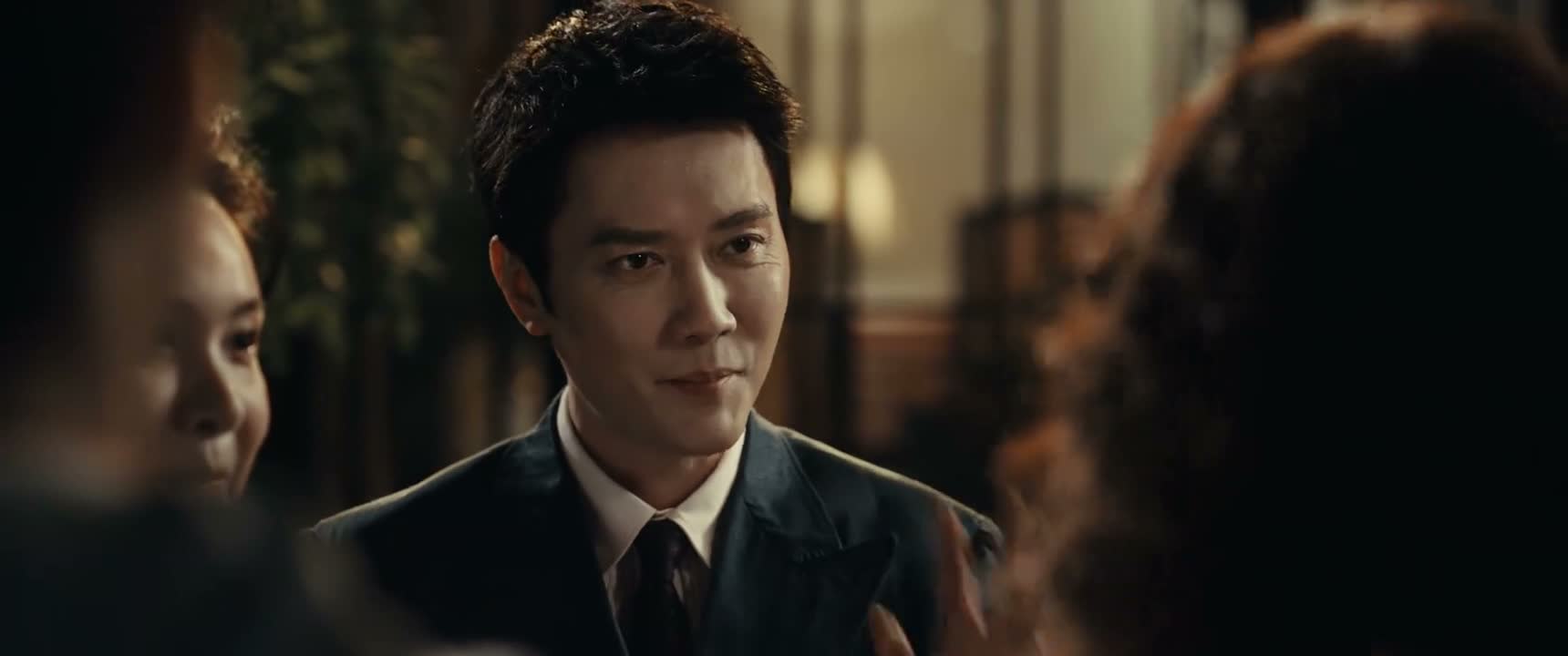
“Bye. Let's go, Miss Zhou. Bye. - Take care. - Bye.”

“Just go back. -Okay, I'll see you again. -Bye. Okay.”

“Take care now. Bye. Take care.”

“Hurry up and go. Thanks a lot.”

“-Take care. -Thank you. See you next time.”

“Definitely. Alright. Take care. Goodbye. Alright. Bye. - Goodbye. - Bye.”

“Okay. Bye. Come visit when you're free. Okay. Take care.”
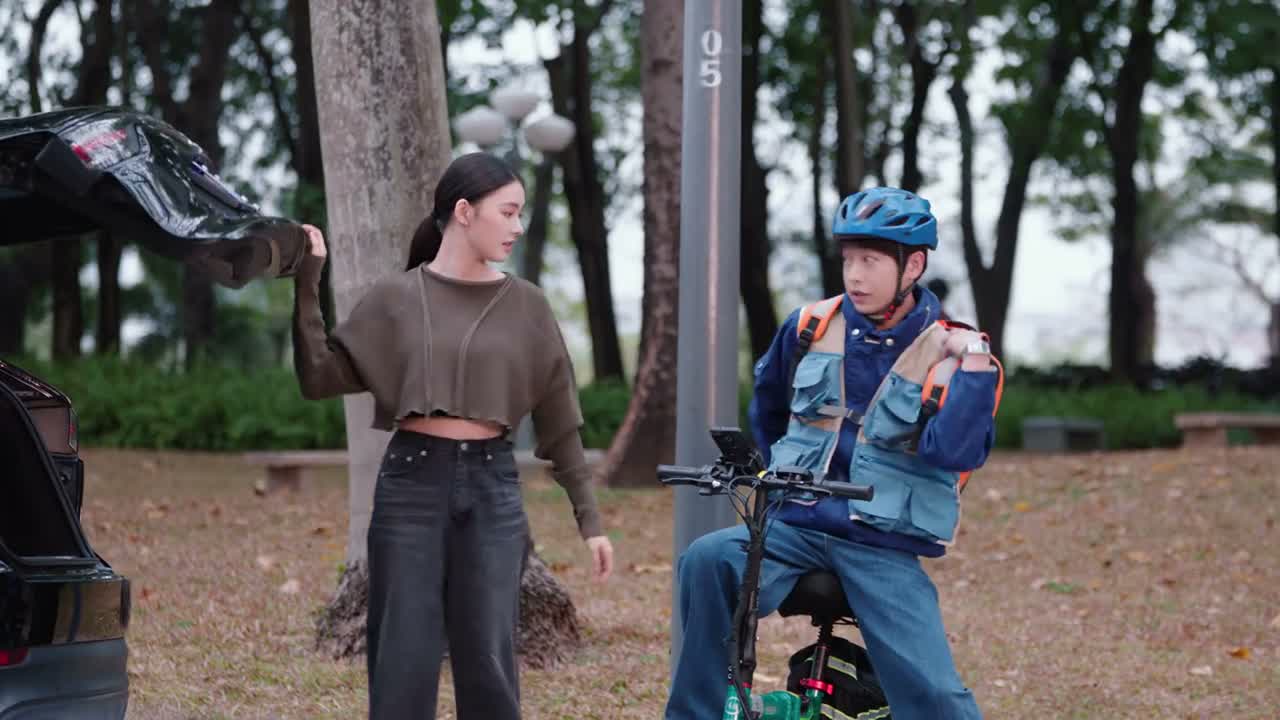
“I'm leaving. Bye. Ride safe.”