别说了 快吃吧 小林老师 好 我瞧瞧
“Stop talking and eat up. -Ms. Lin. -Okay. Let me see.”
THE DIALOGUE REEL
拜拜
“Bye-bye.”
别说了 快吃吧 小林老师 好 我瞧瞧
“Stop talking and eat up. -Ms. Lin. -Okay. Let me see.”
我给他们全都拉进来了啊
“I've added them all to the group chat.”
“Drop it for now and let's just eat. Alright, Teacher Lin, let me have a look.”
In modern Chinese workplaces and broader social contexts, 'laoshi' (teacher) has evolved into a general respectful and polite form of address, no longer restricted to school educators.
LEARNING CHUNKS & PARTICLES
drop it / stop talking about it / say no more
Commonly used in spoken Chinese to interrupt someone, switch topics, or discourage the other party from continuing to discuss a matter.
hurry up and do something
A common sentence pattern used to urge someone to act. Adding 'ba' softens the tone, turning an order into a friendly suggestion.
let me see / let me have a look
A frequent colloquial expression in Northern Mandarin. 'Qiaoqiao' is the reduplicated form of the verb 'qiao' (to look), conveying a casual and natural tone.
Used at the end of an imperative sentence to soften an urging tone, indicating a suggestion or proposal.
VOCABULARY & EXPRESSIONS
Parallel Spoken Cinema Scenes (语义近邻切片)
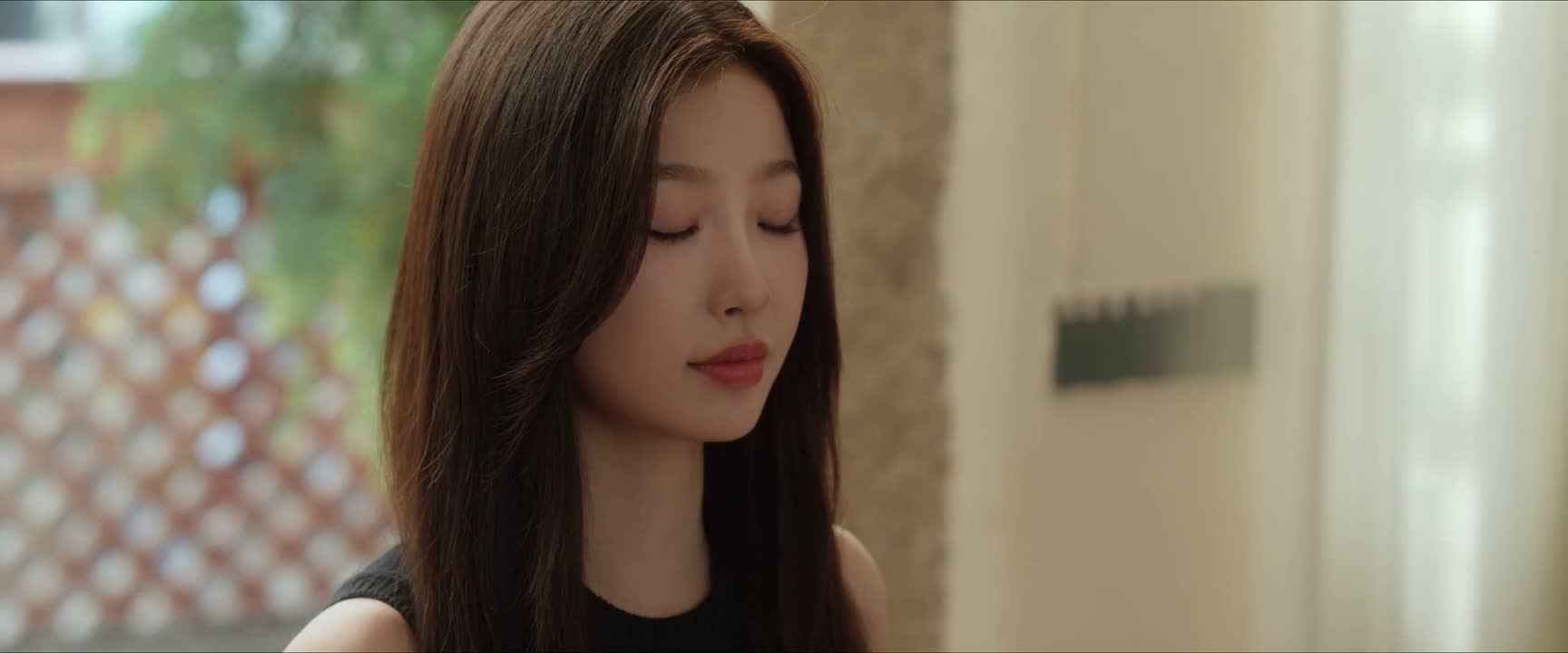
“Ms. Lin, to be honest with you,”
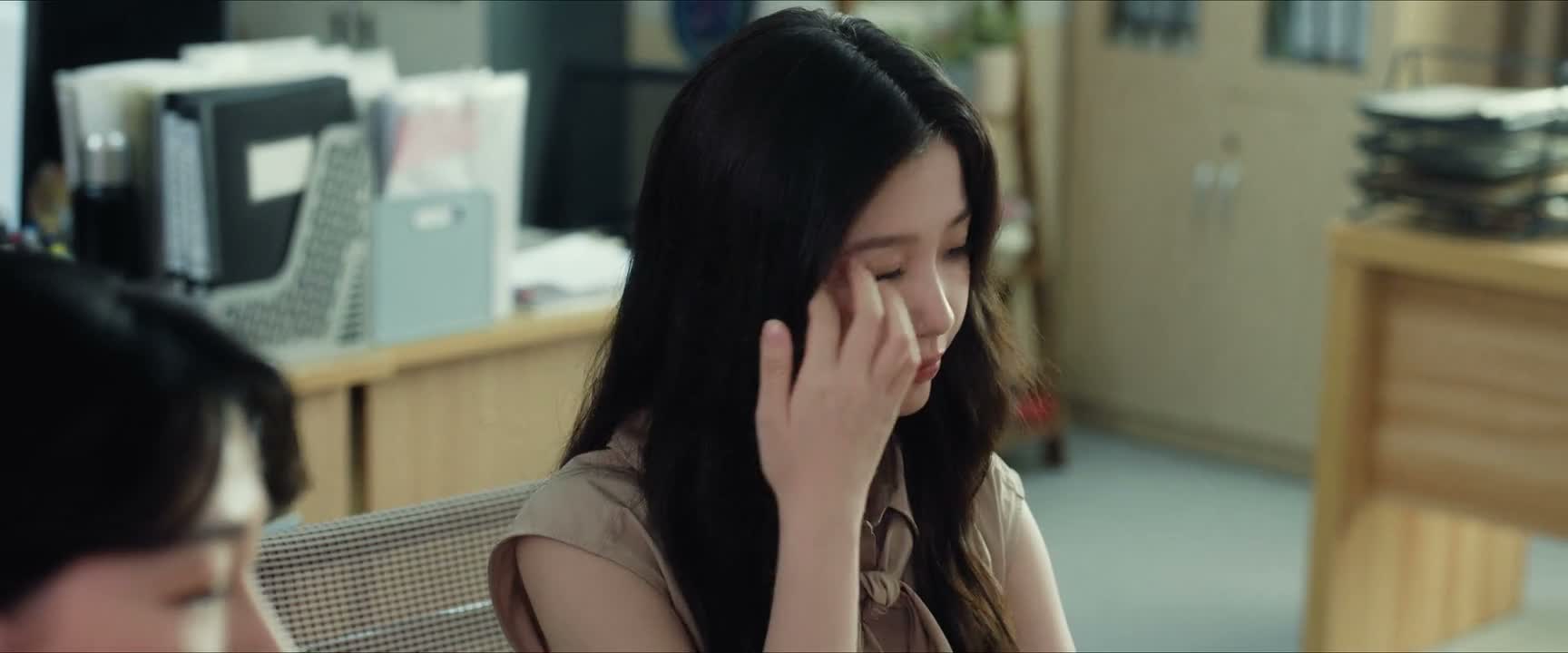
“You're Ms. Lin, right? Try this. -Thank you. -It's very delicious.”
“We've discussed and agreed that Ms. Lin should take a good rest.”

“Ms. Lin was afraid you guys would be hungry, so she went to buy some food.”
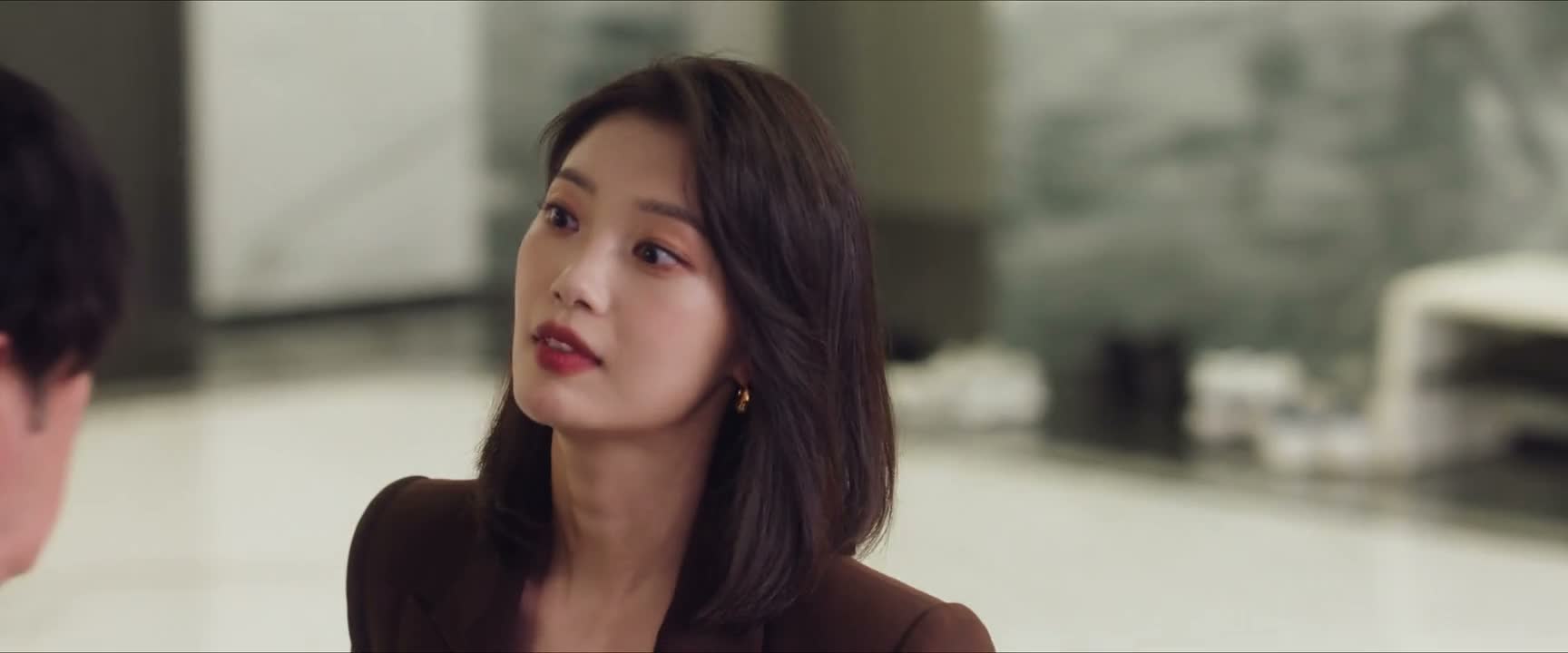
“You invited Ms. Lin over without telling Mom beforehand?”
“I'm done, Ms. Lin. Done, Ms. Lin.”