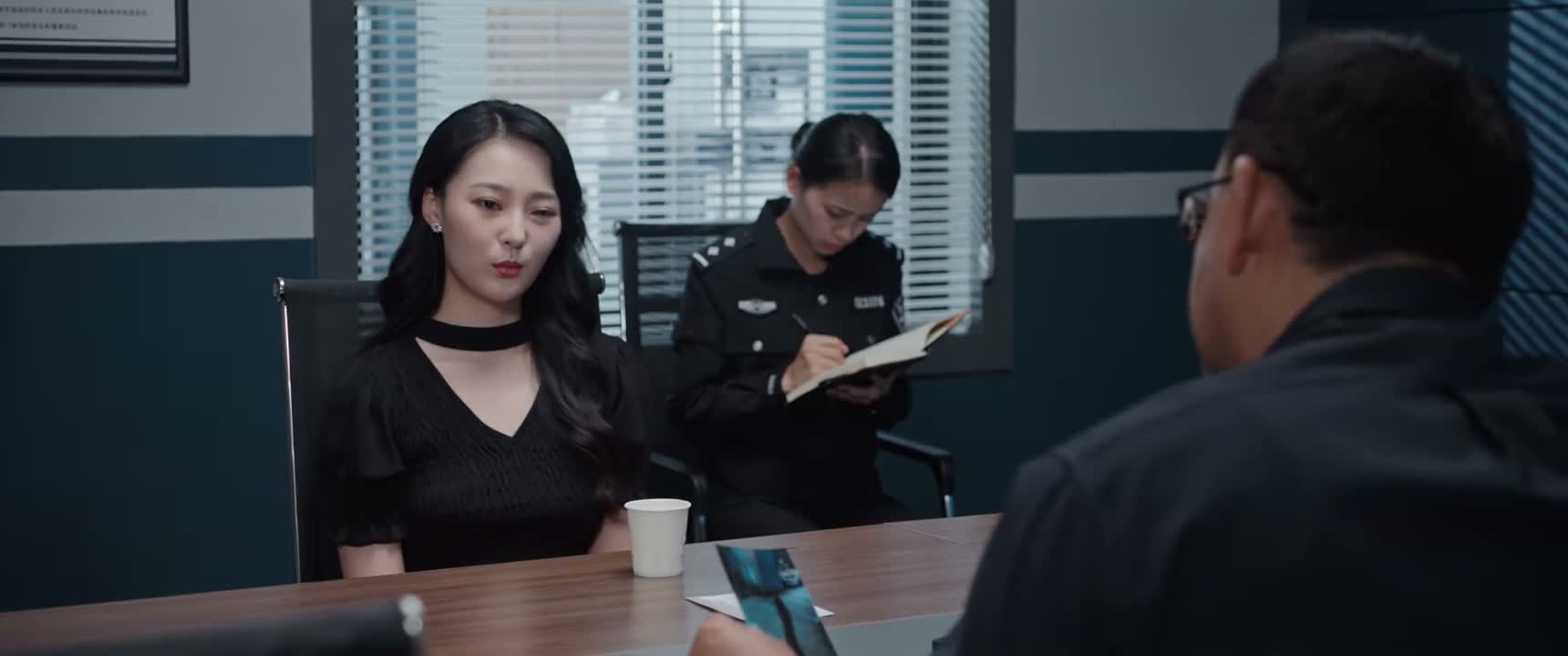
那万一真不是他干的 咋了 你给我把柜子吃喽啊
“Don't swear oaths carelessly. What if it really wasn't done by him? Are you really going to eat cabinets?”
THE DIALOGUE REEL
“I-I'll eat these cabinets. Don't swear oaths carelessly. What if it really wasn't done by him?”
那 万一 真不是 他 干的 咋了 你给我 把柜子吃喽啊
“Don't swear oaths carelessly. What if it really wasn't done by him? Are you really going to eat cabinets?”
“My goodness, you still have the mood to joke around here?”
“What if it really wasn't him? Are you seriously going to eat the cabinet then? Don't make ridiculous promises you can't keep.”
Chinese people often say 'fan ke yi luan chi, hua bu neng luan shuo' (you may eat carelessly, but you shouldn't speak carelessly). When making vows, people often declare 'if not..., I will eat [an inedible object]' to demonstrate absolute certainty, which friends frequently seize upon to banter and tease them.
LEARNING CHUNKS & PARTICLES
just in case; what if; in the unlikely event that
Commonly used in spoken Chinese to introduce an unexpected or concerning low-probability scenario.
eat something up ('lou' is a lively Northern colloquial pronunciation of 'le')
Originates from exaggerated vows like 'if not, I'll eat [an object]', often used to playfully tease someone who made an overconfident bet.
Sentence-final question particle carrying a rhetorical, playful, and teasingly provocative tone.
Functions similarly to the modal particle 'le', adding a relaxed, playful spoken flavor.
VOCABULARY & EXPRESSIONS
Parallel Spoken Cinema Scenes (语义近邻切片)

“I-I'll eat these cabinets. Don't swear oaths carelessly. What if it really wasn't done by him?”

“Whether he ordered it or not will be easily known through investigation.”

“Otherwise, how would he know that the evidence box was missing evidence?”

“But my locker was pried open and I couldn't find them.”

“What am I paying you guys for? Why haven't you driven her away? I'm sorry.”
“I thought his wife did it.”