MC
MandarinClips Cinema Corpus
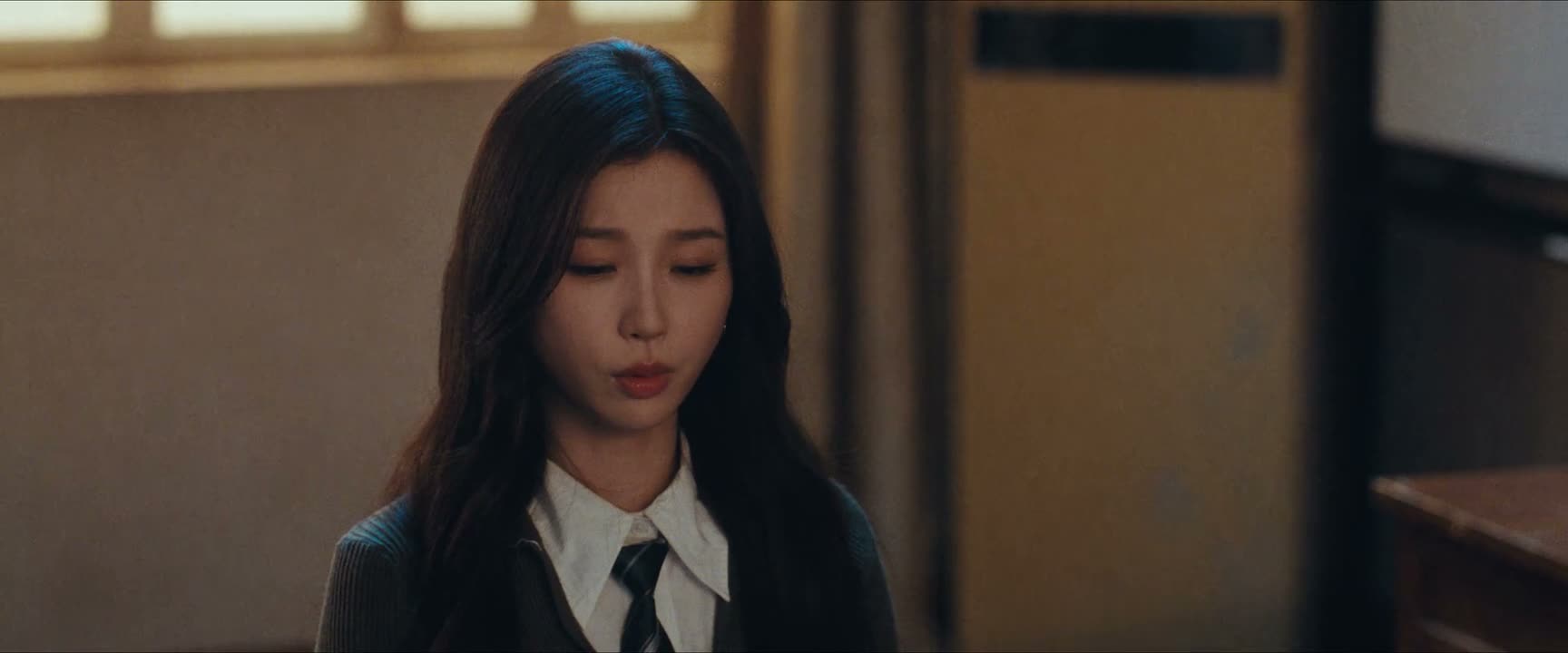
《Vanished Name》 S1·E8 (33:06) HSK 6
zì sī zì lì wǒ kàn nǐ néng kǎo chéng shén me xióng yàng

自私自利 我看你能考成什么熊样

“Selfish. Let's see how well you do.”

《Vanished Name》 S1·E8
TIMECODE: 33:06 · 1080P MASTER AUDIO

THE DIALOGUE REEL

1+1+1 SPOKEN CONTINUITY
[-1] PREVIOUS TURN nǐ gàn má shuǎ pí qì ya

你干吗耍脾气呀

“Don't go then. Why are you throwing a tantrum?”

zì sī zì lì wǒ kàn nǐ néng kǎo chéng shén me xióng yàng CURRENT FOCUS

自私自利 我看 你能考成 什么 熊样

“Selfish. Let's see how well you do.”

[+1] FOLLOW-UP TURN chī fàn ba

吃饭吧

“Let's eat.”

Subtitles synced to millisecond timecode Browse Show Clips →
Scene: Family & Home
Function: SCOLDING AND VENTING
Tone: SARCASTIC
Emotion: ANGER
WHAT THEY REALLY MEAN (PRAGMATIC SUBTEXT)
“Selfish brat, let's see how terribly you mess up your exams!”
💡 Cultural Insight: xiong yang (pathetic appearance)

A northern dialect colloquialism referring to an incompetent, unsightly, terrible, or wretched state. In family conflicts, elders often use this phrase to belittle younger generations and vent their frustration.

💡 Cultural Insight: Provocation and harsh words in family education

In traditional Chinese families, elders in conflict with their children often resort to extreme negative language (such as wishing failure on exams) to vent anger or exert reverse pressure, yet frequently defuse the tension right after through routine gestures like offering food.

INTENT TAGS: #reproach #sarcasm #spite #pressure
🧩

LEARNING CHUNKS & PARTICLES

2 CHUNKS · 0 PARTICLES
自私自利 SPOKEN CHUNK

Selfish and self-serving; looking out only for oneself with total disregard for others.

An idiom with a strong derogatory tone, commonly used in spoken language to accuse someone of being inconsiderate toward family or others.

我看你能……成什么熊样 SPOKEN CHUNK

Used to scoff and watch coldly, predicting that the other person will end up in a disastrous or pathetic mess.

A common sarcastic northern colloquial pattern carrying strong connotations of contempt, spite, and cynical dismissal.

🏮

VOCABULARY & EXPRESSIONS

3 EXPR · 0 GRAMMAR
CROSS-CINEMA CORPUS BOARD · PARALLEL SCENES

Parallel Spoken Cinema Scenes (语义近邻切片)

EXPLORE BY SEMANTIC SIMILARITY
你就是自私 你就是自利
《隐身的名字》
88% Match
你就是自私 你就是自利
nǐ jiù shì zì sī nǐ jiù shì zì lì

“you're just selfish, and you only care about yourself.”

我好怕你看到我自私的一面
《钢铁森林》
88% Match
我好怕你看到我自私的一面
wǒ hǎo pà nǐ kàn dào wǒ zì sī de yí miàn

“I was terrified you'd see my selfish side”

你是个自私自利 控制欲极强的臭婊子
《悬案》
88% Match
你是个自私自利 控制欲极强的臭婊子
nǐ shì gè zì sī zì lì kòng zhì yù jí qiáng de chòu biǎo zi

“You're a fucking selfish, manipulative bitch,”

是我太自私
《白日提灯​》
88% Match
是我太自私
shì wǒ tài zì sī

“I was too selfish.”

你这人怎么这么自私啊
《隐身的名字》
88% Match
你这人怎么这么自私啊
nǐ zhè rén zěn me zhè me zì sī a

“How can you be so selfish?”

你自私 残暴
《逐玉》
88% Match
你自私 残暴
nǐ zì sī cán bào

“You are selfish, cruel,”

自私自利 自以为是
《以家人之名》
88% Match
自私自利 自以为是
zì sī zì lì zì yǐ wéi shì

“You are selfish and self-conceited.”

真是自私凉薄的
《朝雪录》
88% Match
真是自私凉薄的
zhēn shì zì sī liáng báo de

“What a selfish and cold-hearted”

有时候觉得我自己太自私了
《纯真年代的爱情》
88% Match
有时候觉得我自己太自私了
yǒu shí hòu jué de wǒ zì jǐ tài zì sī liǎo

“Sometimes, I feel like I'm too selfish.”

你是一个自私自利的人
《蜜语纪》
88% Match
你是一个自私自利的人
nǐ shì yí gè zì sī zì lì de rén

“that you're a selfish person.”

你做一个自私的人
《月鳞绮纪》
88% Match
你做一个自私的人
nǐ zuò yí gè zì sī de rén

“I hope you can be selfish.”

我知道这很自私
《灿如繁星》
88% Match
我知道这很自私
wǒ zhī dào zhè hěn zì sī

“I know this is very selfish,”

他们都是心里只有自己的 自私之人罢了
《朝雪录》
88% Match
他们都是心里只有自己的 自私之人罢了
tā men dōu shì xīn lǐ zhǐ yǒu zì jǐ de zì sī zhī rén bà le

“they are selfish people who care about themselves only.”
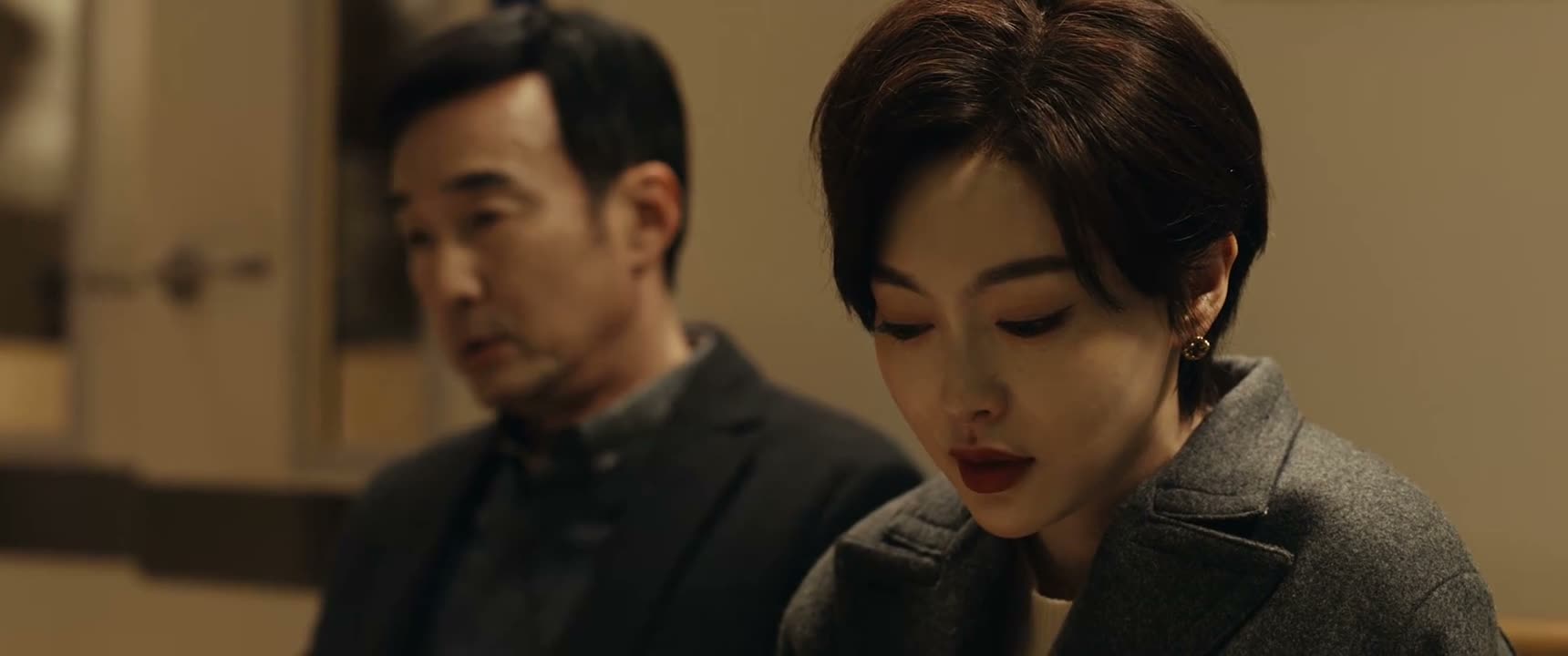
你也可以看成是一种自私
《爱情没有神话》
88% Match
你也可以看成是一种自私
nǐ yě kě yǐ kàn chéng shì yī zhǒng zì sī

“you can also see it as selfishness.”

只是想自私一回
《云秀行》
88% Match
只是想自私一回
zhǐ shì xiǎng zì sī yī huí

“I just want to be selfish for once”

《Vanished Name》 S1·E8 (33:06) · Authentic Cinema Dialogue Corpus