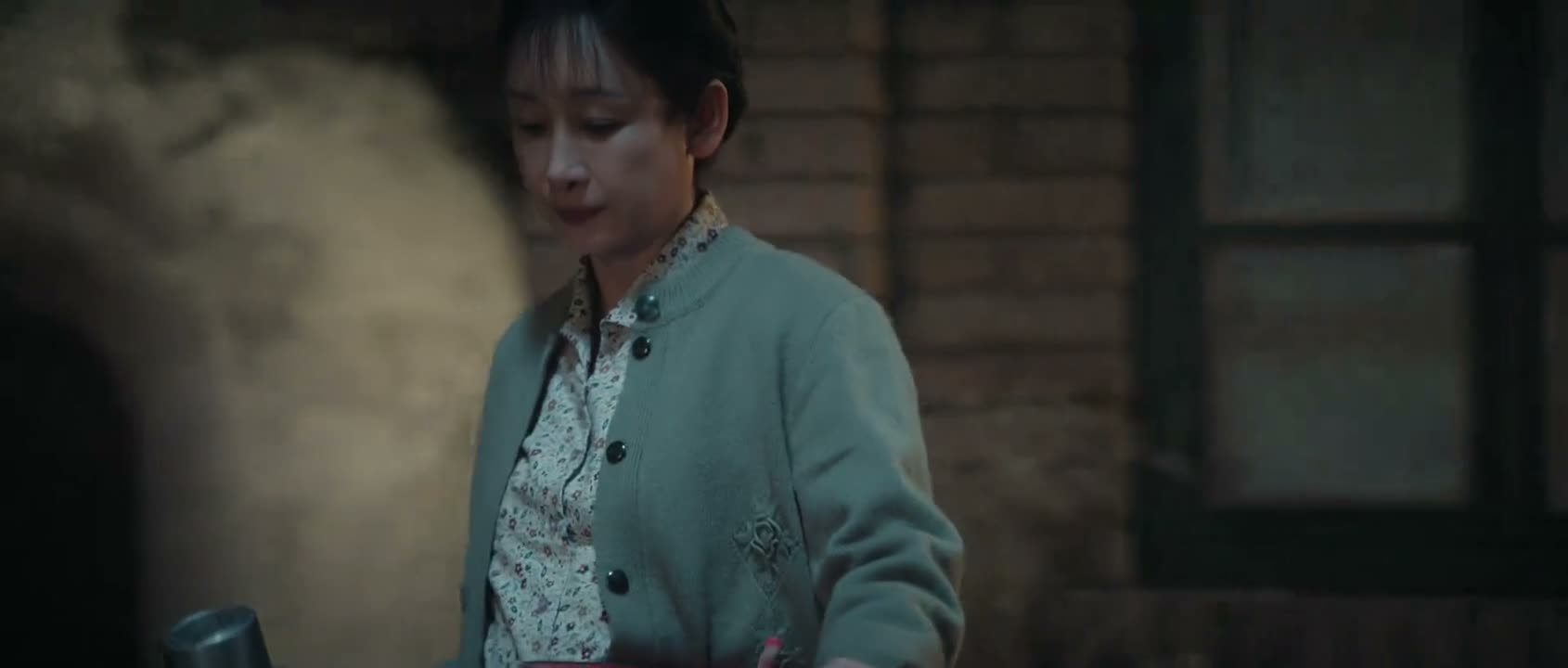
没看见闹事的 不知道戏该怎么唱了 是吧
“Without the troublemakers, you don't know how to put on the show, right?”
THE DIALOGUE REEL
怎么
“What?”
没看见 闹事 的 不知道 戏该怎么唱 了 是吧
“Without the troublemakers, you don't know how to put on the show, right?”
走吧 我带你们去 带走 走 走 别动 别推
“Let's go. I'll take you there. Take them away. Move! -Go! -Hands off! Don't push!”
“Didn't see the troublemakers, so now you don't know how to keep up your little act, do you?”
In colloquial Chinese, beyond referring to traditional theatrical performance, 'chang xi' is frequently used as a metaphor for putting on an act, faking, or scheming. It implies that someone is feigning behavior or following a premeditated script to manipulate the situation for hidden motives.
LEARNING CHUNKS & PARTICLES
how the act should proceed or wrap up (metaphor for staged actions or premeditated schemes)
Originating from traditional opera, it is often used colloquially to sarcastically mock or call out someone for putting on a show, playing tricks, or carrying out a planned scheme.
to cause trouble, stir up unrest, or make a scene
A common verb that generally carries derogatory connotations or implies unlawful conflict.
Placed at the end of a sentence as a rhetorical question or to prompt the listener to concede, conveying a strong sarcastic, pressuring, and provocative tone.
Used to mark the emergence of a new state or change of situation, reinforcing a shift in circumstances.
VOCABULARY & EXPRESSIONS
Parallel Spoken Cinema Scenes (语义近邻切片)
“Once you perform it, this play is sure to be a hit.”

“That's only true if you stop singing opera.”

“She hasn't even trained in opera!”

“You haven't even learned the craft. But you've learned trading roles for favors.”

“That's because your drumming is bad.”

“you guys could go from having shows to having none”