但是你不是说 手机店是你的心头肉吗 你怎么舍得
“But didn't you say the phone store is your life? How could you...”
THE DIALOGUE REEL
你 你 你到底想不想 救你弟弟 想啊 我肯定想
“Do you want to save your brother or not? Of course I do!”
但是 你不是说 手机店是你的 心头肉 吗 你 怎么舍得
“But didn't you say the phone store is your life? How could you...”
是我的心头肉
“The shop is my life,”
“Are you really willing to ruin your own livelihood for this, or are you just saying it?”
In Chinese culture, sacrificing one's personal treasure or livelihood for the sake of rescuing a sibling is seen as an ultimate moral dilemma testing filial and fraternal loyalty.
LEARNING CHUNKS & PARTICLES
one's most treasured possession or beloved person
Literally 'meat of one's heart', used metaphorically for things or people one cannot bear to lose.
how can one bear to part with something
A rhetorical phrase highlighting the immense emotional reluctance to give up something valued.
Forms a rhetorical question highlighting a contradiction between past words and present decisions.
VOCABULARY & EXPRESSIONS
Parallel Spoken Cinema Scenes (语义近邻切片)

“You've put in a lot of hard work to run this shop.”

“but you can't bring it to someone else's shop. -It’s fine. -What's wrong with that? This is from the barbecue shop”

“You're running an account? Didn't you say you didn't want to promote our shop?”
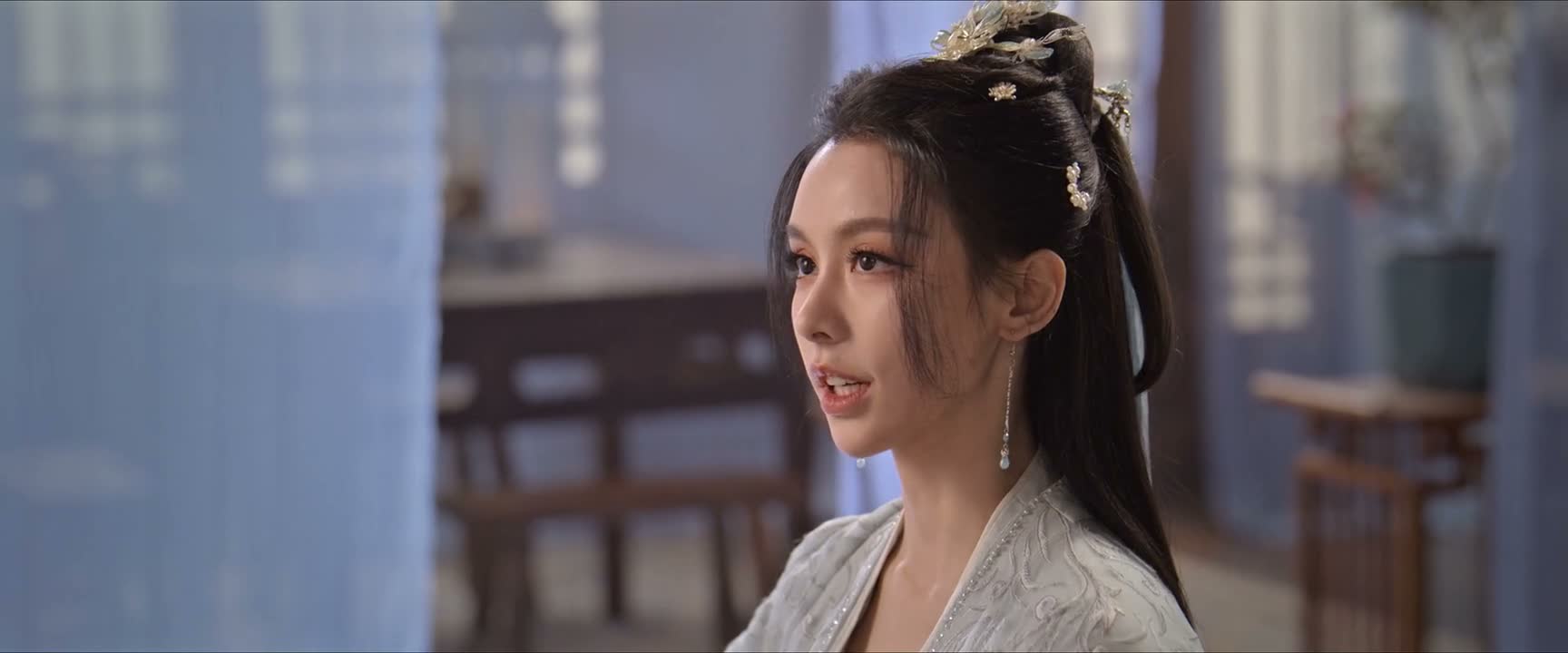
“You can tell me the truth now, can't you?”
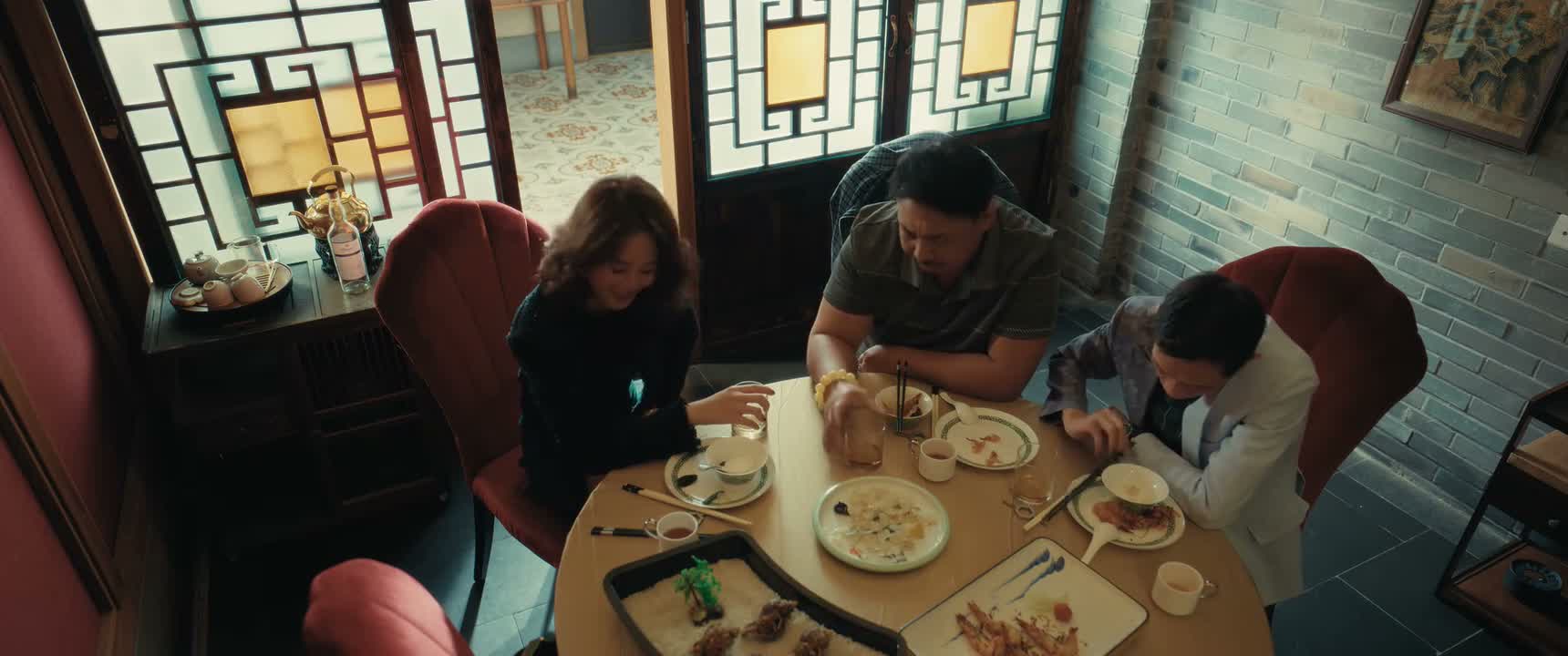
“Didn't I explain this to you? For a place like ours,”

“at least it'd be my own place. I'd be the boss.”