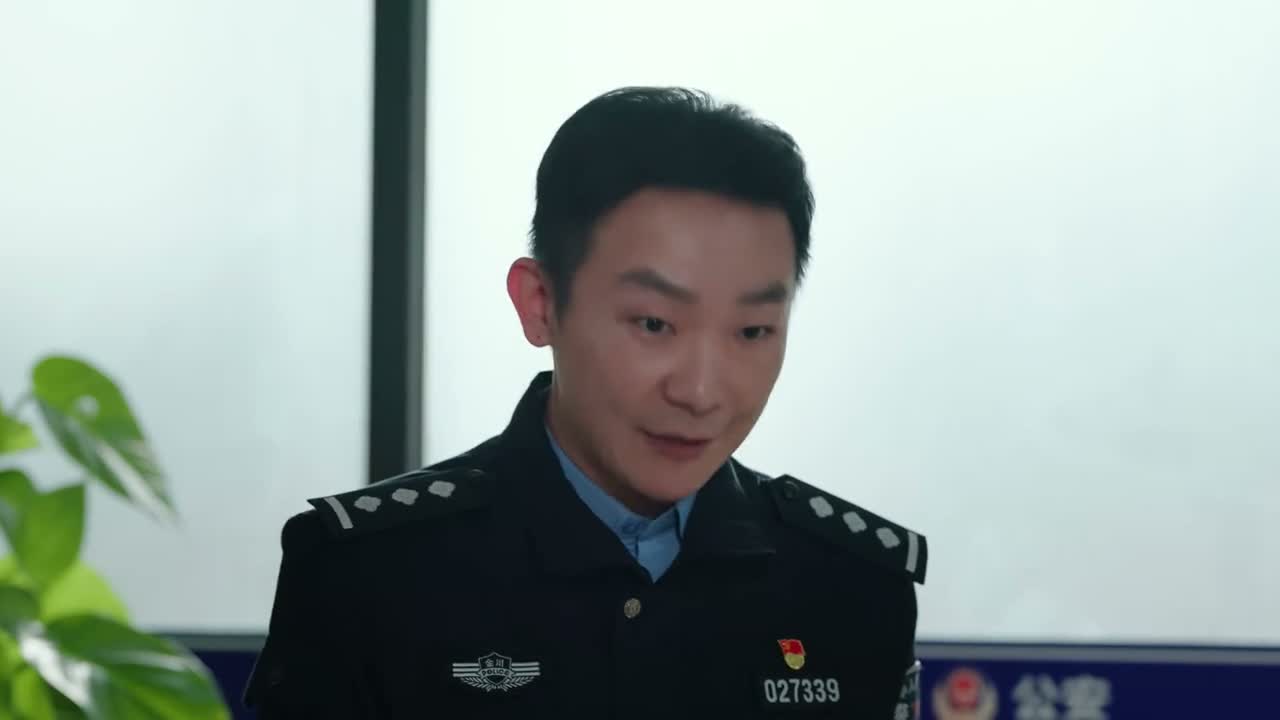
违法乱纪的事情咱不能干
“We can't do things that break the law.”
THE DIALOGUE REEL
以后好好上学
“Focus on your studies from now on.”
违法乱纪 的事情 咱 不能干
“We can't do things that break the law.”
你放心吧 警察姐姐
“Don't worry, Miss Officer.”
Direct spoken expression in this communicative setting.
Using the inclusive pronoun '咱' (we/us) reduces psychological distance between authority figures and young people, making guidance feel supportive rather than purely punitive.
LEARNING CHUNKS & PARTICLES
break laws and violate discipline; commit offenses
A formal idiom commonly used in legal, educational, or ethical contexts to denote illicit conduct.
we definitely cannot do this
Uses the inclusive pronoun '咱' to create solidarity and frame the restriction as a shared moral boundary.
VOCABULARY & EXPRESSIONS
Parallel Spoken Cinema Scenes (语义近邻切片)

“The law makes exceptions for no one. Those who violate the law don't deserve to be your friend.”

“Absolutely no illegal activities here.”

“No reason is an excuse to break the law.”
“As long as it's not illegal, there's no problem.”

“Whether you broke the law or not, you know perfectly well yourself.”

“We don't break the law anymore.”

“Make sure you don't break the rules.”

“you have to follow the rules when doing things.”