小时候你不也经常 穿我的吗
“You used to wear mine when we were little.”
THE DIALOGUE REEL
“Good. I was just asking. No offense.”
小时候 你 不也 经常 穿我的 吗
“You used to wear mine when we were little.”
所有鞋你都可以穿
“You can wear all my shoes,”
“You don't need to feel awkward or distant; we've shared everything since we were kids.”
In Chinese domestic culture, sharing personal belongings like clothes or shoes signifies absence of polite distance and affirms deep kinship intimacy.
LEARNING CHUNKS & PARTICLES
in childhood / when one was little
A very common time phrase used to open casual reminiscence about childhood experiences.
aren't / didn't... also
A rhetorical pattern used to prompt the listener to agree with an obvious shared fact.
Forms a rhetorical question to prompt agreement and bridge emotional distance.
VOCABULARY & EXPRESSIONS
Parallel Spoken Cinema Scenes (语义近邻切片)

“Exactly like me when I was young.”
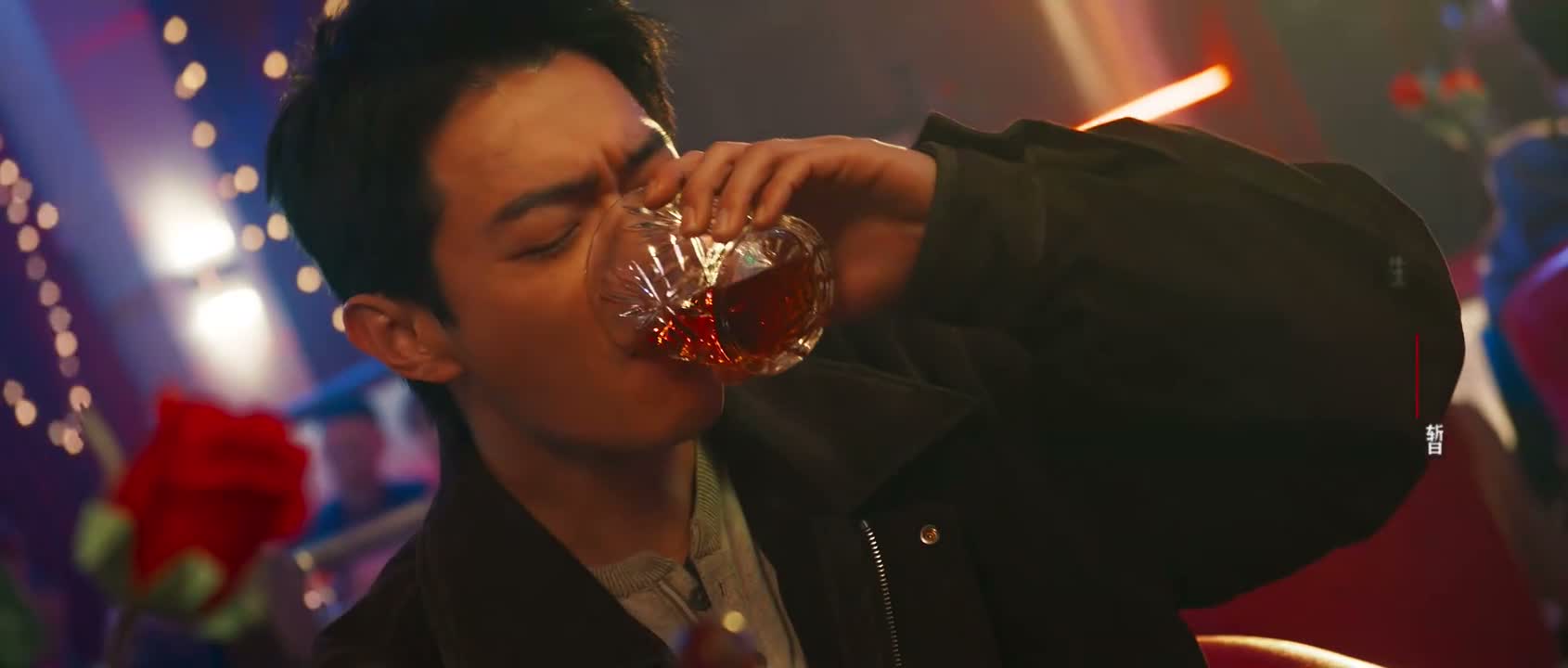
“(When you were little,)”

“When I was little, I used to sneak here to play.”

“You can only talk about your childhood”

“You told me back then”
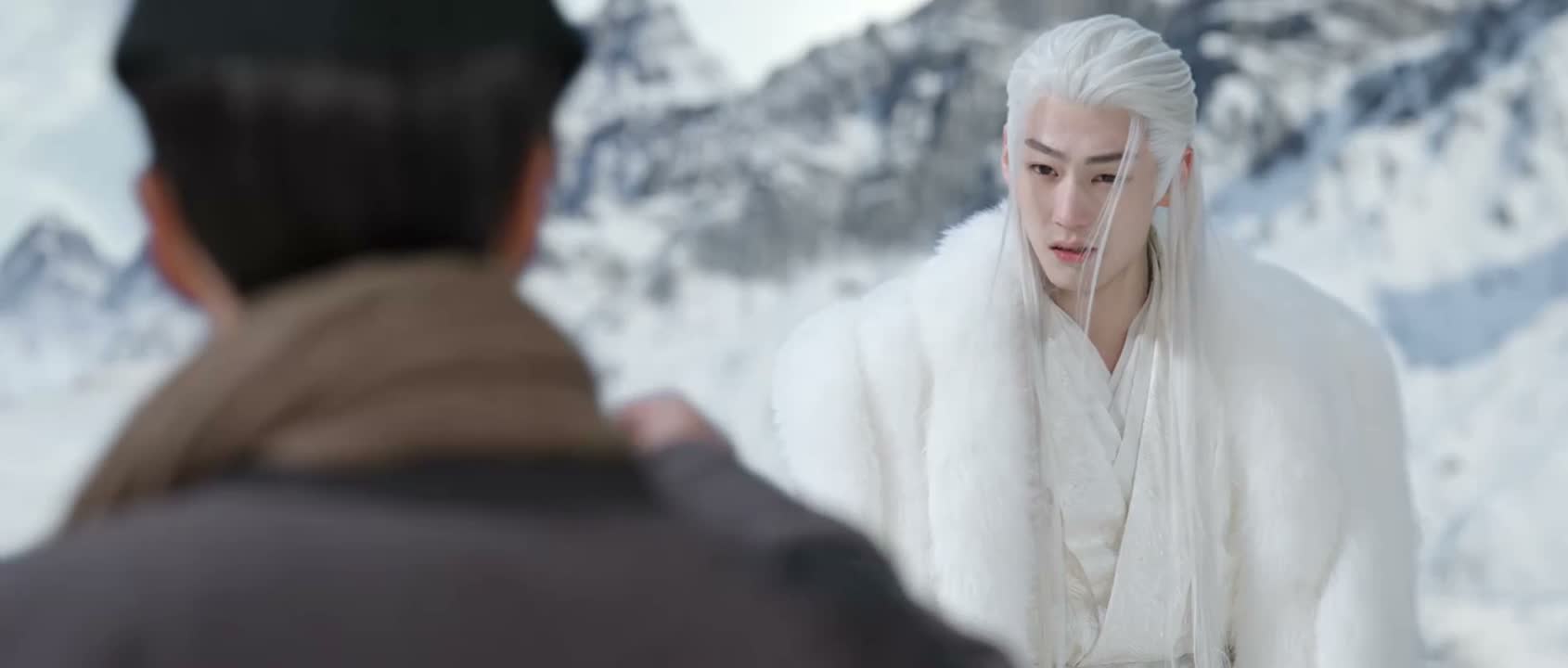
“You were only 7 or 8 years.”