这么能闹 你觉得市里面的学校 就能管得住他们吗
“always acting up, do you think a school in the city can handle them?”
THE DIALOGUE REEL
你这还是在瞎折腾 就你家那两个小祖宗 这么折腾
“you're just causing yourself unnecessary trouble. With those two little terrors of yours being so wild,”
这么 能闹 你觉得 市里面的学校 就能 管得住他们 吗
“always acting up, do you think a school in the city can handle them?”
“They can't. Then where? You should just”
“You're delusional if you think changing schools will fix their bad behavior.”
Chinese parents often believe elite urban schools can resolve upbringing problems, which frequently leads to debates among family members over whether environment or discipline matters more.
LEARNING CHUNKS & PARTICLES
prone to making trouble; mischievous
Used colloquially to describe children or individuals who cause frequent disruptions or chaos.
able to manage or keep under control
A potential complement phrase used frequently when discussing parental or institutional authority over children.
Turns the statement into a rhetorical question expressing strong skepticism.
VOCABULARY & EXPRESSIONS
Parallel Spoken Cinema Scenes (语义近邻切片)

“It's not that big a deal. Why take it to the college and the hospital?”
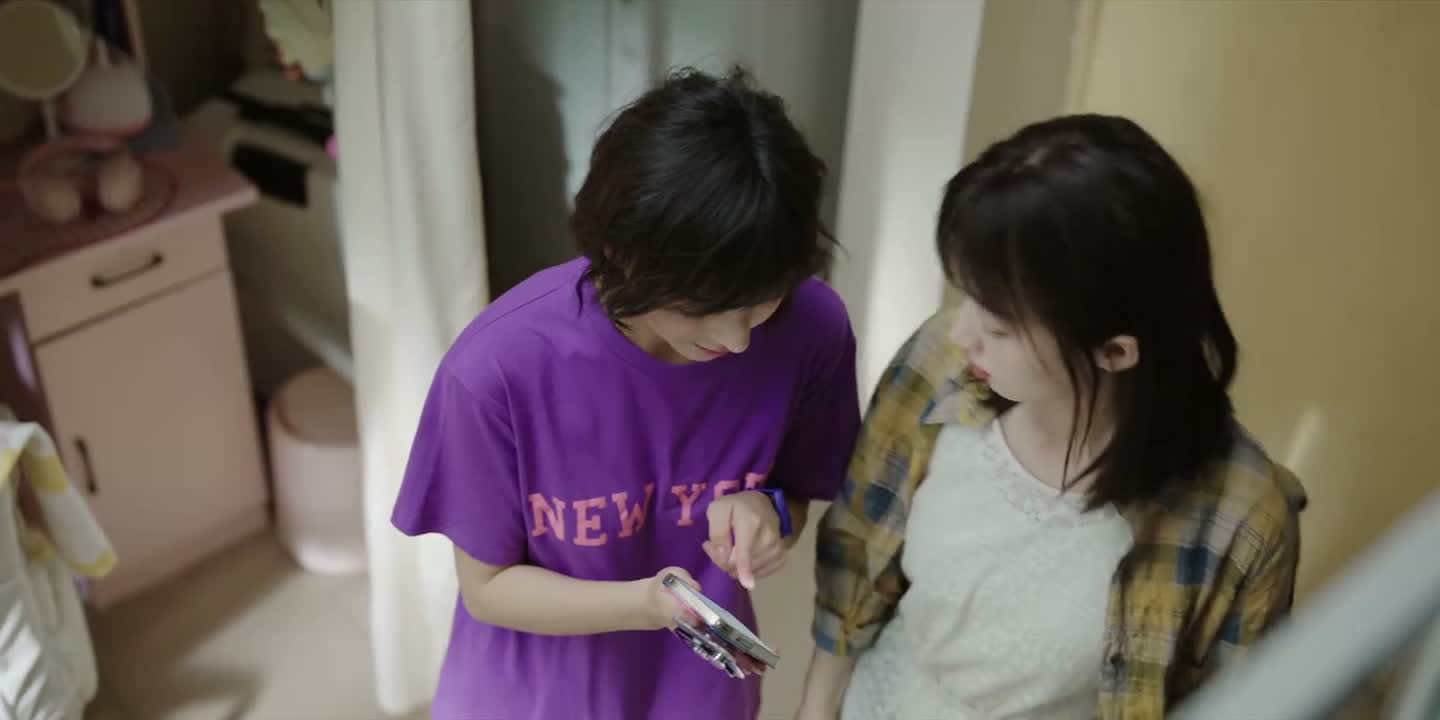
“The school decided to give those rumor-mongers”

“Just let him cause some trouble. The bigger the trouble, the better.”

“But those capable of stirring up scholars to cause this kind of trouble are few.”

“what a mess this is.”

“(nearly driving me out of business.) Make trouble? Why?”