什么添不添麻烦的?
“Why would you say that?”
THE DIALOGUE REEL
我就是个老师 不该去给人家添麻烦
“I'm just a teacher. I shouldn't cause them trouble.”
什么 添 不添麻烦 的 ?
“Why would you say that?”
“By order of seniority, you're their senior.”
“Stop being overly modest and polite; you have the seniority and authority to ask this of them.”
While politeness (keqi) dictates not burdening others, traditional hierarchical culture dictates that elders and seniors (shixiong/shibo) have legitimate authority and moral right to call upon juniors without feeling apologetic.
LEARNING CHUNKS & PARTICLES
to cause trouble / to inconvenience someone
A standard politeness phrase in Chinese used when asking for a favor or declining help to avoid burdening someone.
what do you mean by ... / don't talk about ...
A colloquial rhetorical pattern used to brush off or dismiss the listener's hesitation, objection, or excessive modesty.
Completes the colloquial dismissal frame '什么...不...的', projecting an assertive, dismissive attitude towards the stated concern.
VOCABULARY & EXPRESSIONS
Parallel Spoken Cinema Scenes (语义近邻切片)

“should try their best not to become a burden to others.”

“now that I'm looking into this, My Lord?”
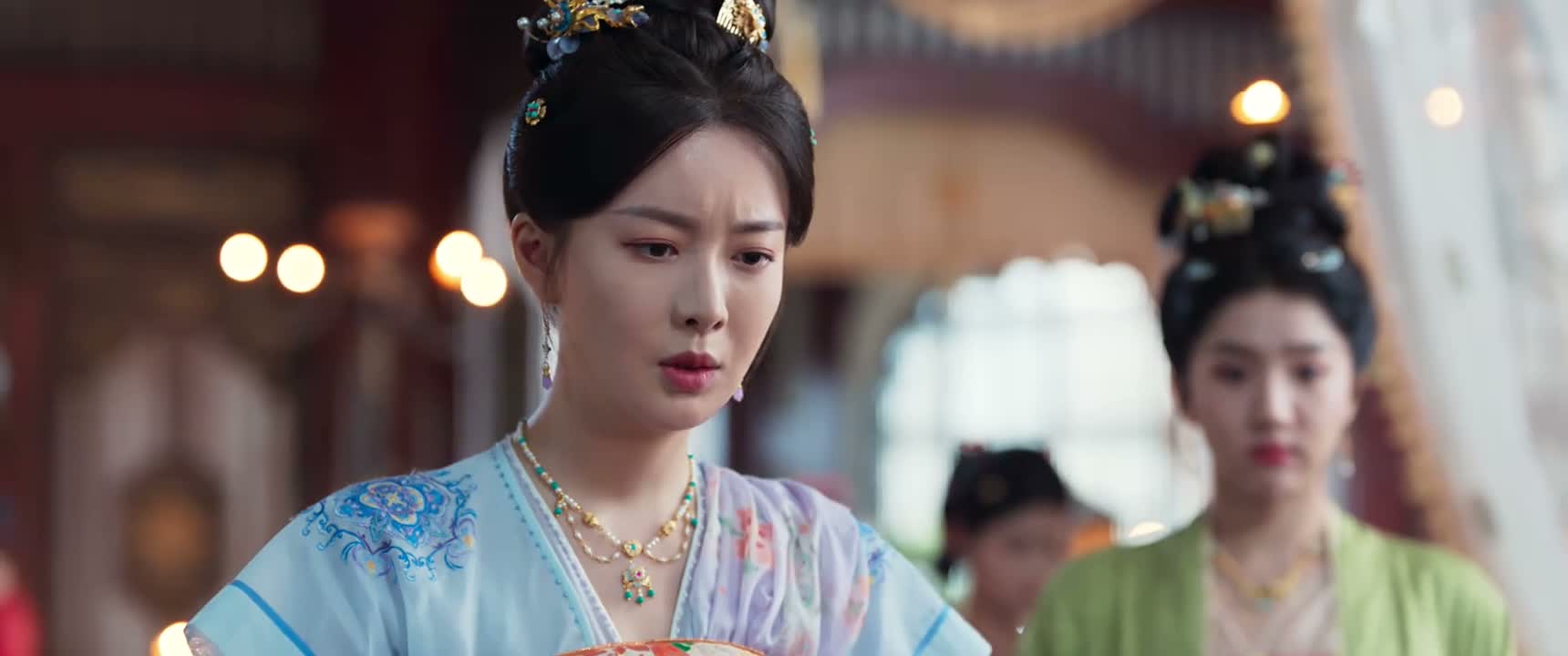
“Will this cause trouble for Your Highness?”

“a lot of trouble in your daily lives.”

“There is no such thing as causing trouble.”

“It's no trouble at all.”

“Thank you. You're welcome.”

“that's a headache I don't want.”

“You're here to help, not to cause trouble.”

“Moreover, isn't it just about having one more person to eat?”