不如你们三位留下来 与本宫一起用晚膳吧
“Why don't the three of you stay here and have dinner with me?”
THE DIALOGUE REEL
可惜五皇子 今日公务繁忙不能来
“Sadly, my son is too busy to come today.”
不如你 们三位 留下来 与本宫 一起 用晚膳吧
“Why don't the three of you stay here and have dinner with me?”
到时候明宣也该回来了 想必他也希望
“By then, Mingxuan will be back. I believe he also wants”
“You do not have the option to leave; you will stay until my son arrives.”
In Chinese royal court culture, invitations from higher-ranking royals function as non-negotiable commands disguised as polite hospitality.
LEARNING CHUNKS & PARTICLES
I / this palace master (self-appellation used by imperial consorts or princesses)
Reserved exclusively for historical period dramas when depicting high-ranking palace women.
to partake of dinner / to have evening meal
A highly formal, archaic way to say having dinner, appropriate in noble or court contexts.
Softens the imperative into a suggestion, giving an imperial command the veneer of graciousness.
VOCABULARY & EXPRESSIONS
Parallel Spoken Cinema Scenes (语义近邻切片)

“I'm waiting for you to advise me on what the Lord of Xiaonan will do next.”

“Then why are you telling me”
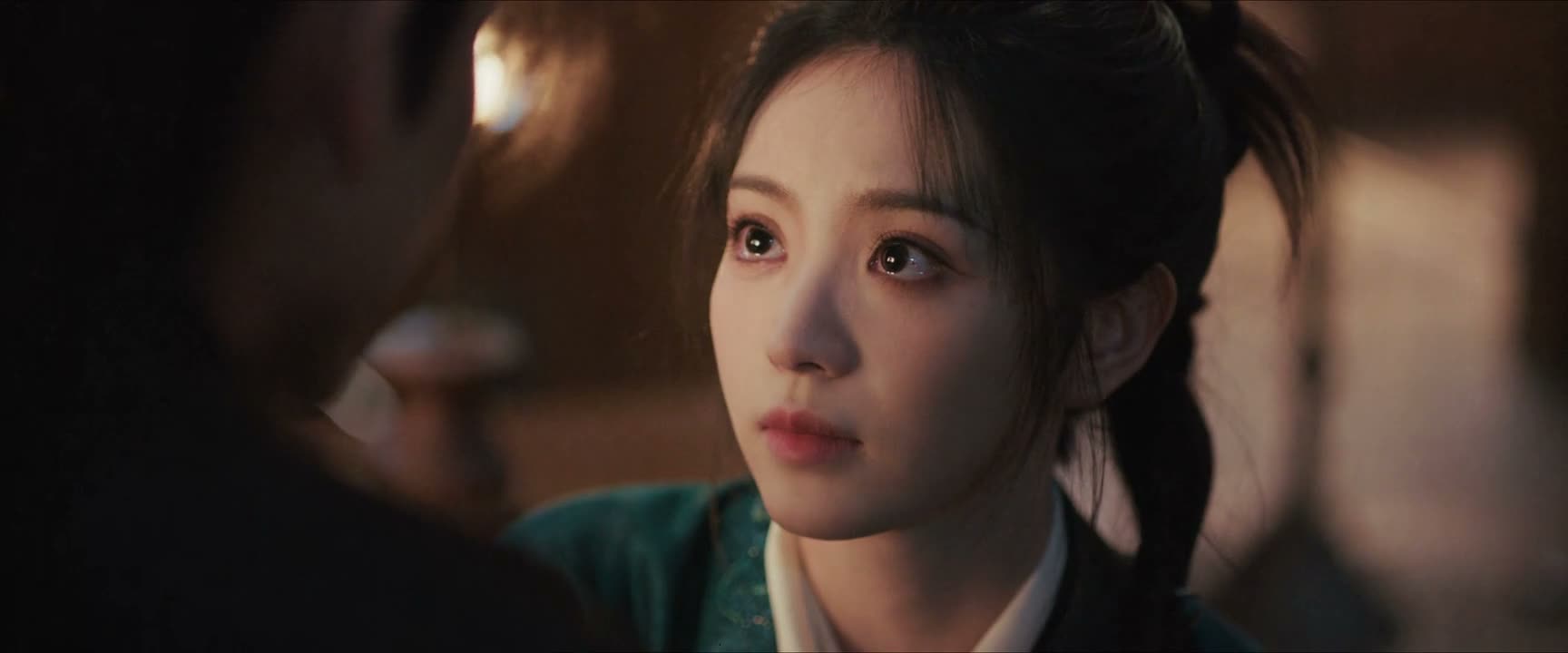
“When the royal banquet is held three days later,”

“Do you want to stay for dinner? There's dinner? Go.”

“What's the point of your telling me all this now?”
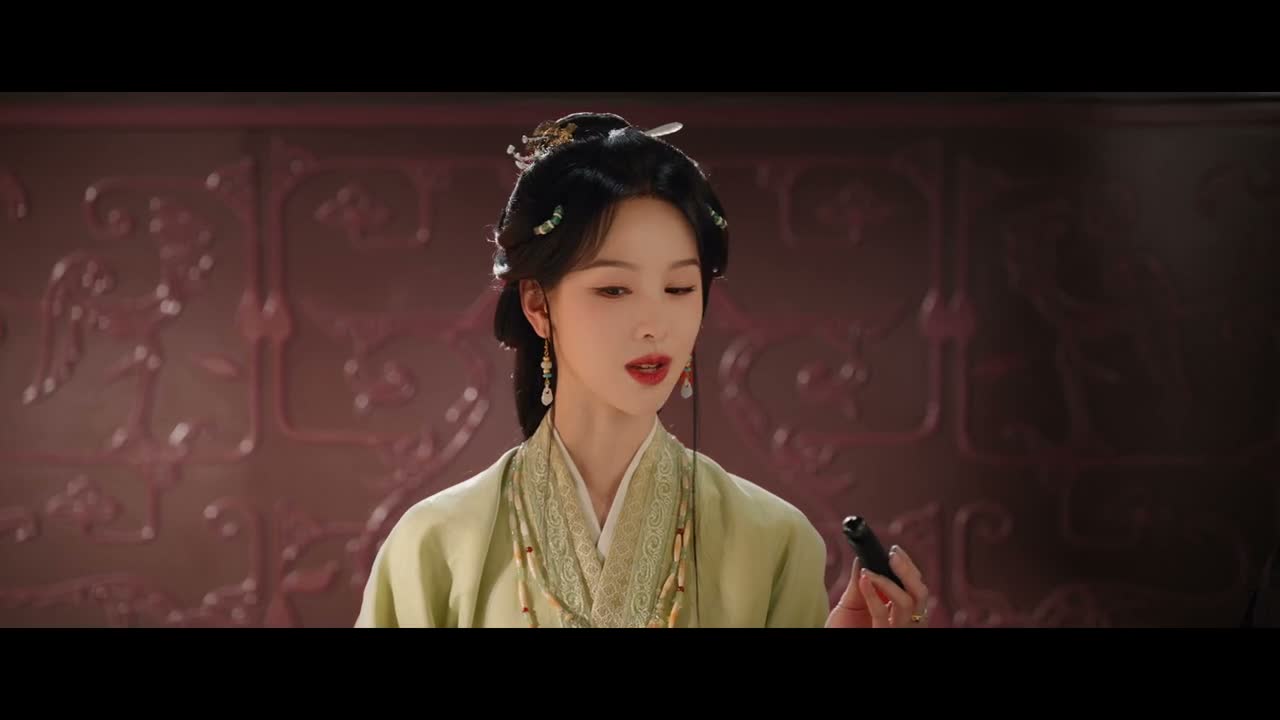
“he's fully bound to me.”