一股味啊 不是 她叫咱们过来干嘛 谁知道呢
“-It stinks. -Seriously. -Why did she call us here? -Who knows?”
THE DIALOGUE REEL
走了走了
“Let's go.”
一股味啊 不是 她叫咱们 过来 干嘛 谁知道呢
“-It stinks. -Seriously. -Why did she call us here? -Who knows?”
老师好
“Hello, Ms. Lin.”
“This place stinks, and I hate not knowing why we're in trouble.”
Chinese students frequently form close-knit informal bonds to collectively face the authority of demanding teachers or advisors.
LEARNING CHUNKS & PARTICLES
a strong or unpleasant odor
A very natural spoken expression used to react negatively to a distinct smell.
why; for what purpose
Informal substitute for 为什么, commonly used among peers to question motives.
who knows
A standard rhetorical shrug used to indicate complete lack of knowledge or indifference.
Exclamatory marker emphasizing immediate sensory disgust or surprise.
Conveys a reflective, uncertain, or rhetorical tone when paired with question words.
VOCABULARY & EXPRESSIONS
Parallel Spoken Cinema Scenes (语义近邻切片)
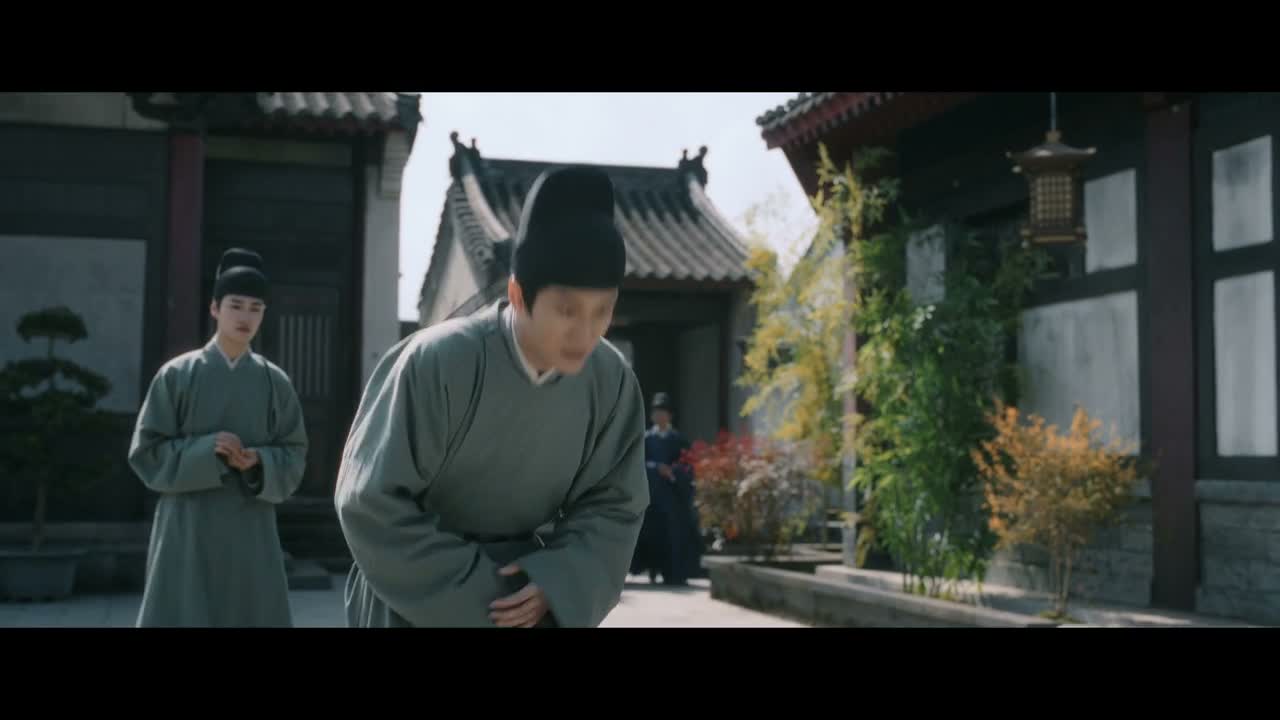
“- Ugh. What's that smell? - He stinks.”

“How does it taste? Is it sweet? I need to eat something sweet now.”

“What's this smell? It smells great! Didn't you say you were craving this?”

“Does it still taste the same? Try it.”

“Yeah. The smell of money is good.”

“I don't understand why you'd like that taste.”