可是我真不知道她在哪 这本来就要抓住她了
“but I truly don't know where she is. We were just about to catch her,”
THE DIALOGUE REEL
你们是在找那女子 对 我我我 我是记得那女子
“I know. You're looking for that woman. Yes. I-I remember that woman,”
可是 我真不知道 她 在哪 这 本来就 要 抓住她了
“but I truly don't know where she is. We were just about to catch her,”
“but a swordsman suddenly appeared and rescued her.”
“Do not blame me—I tried my best to catch her, but circumstances were out of my control!”
When facing interrogation or authority figures in Chinese narratives, speakers often emphasize that bad outcomes occurred despite their best efforts to avoid punishment.
LEARNING CHUNKS & PARTICLES
really do not know
Use this emphatically to insist on your complete ignorance or lack of involvement.
was just about to / was originally going to
Use this structure to explain that an intended outcome was interrupted right before completion.
Indicates an imminent change of state in '就要抓住她了' (was right on the verge of capturing her).
VOCABULARY & EXPRESSIONS
Parallel Spoken Cinema Scenes (语义近邻切片)

“I know nothing about it.”
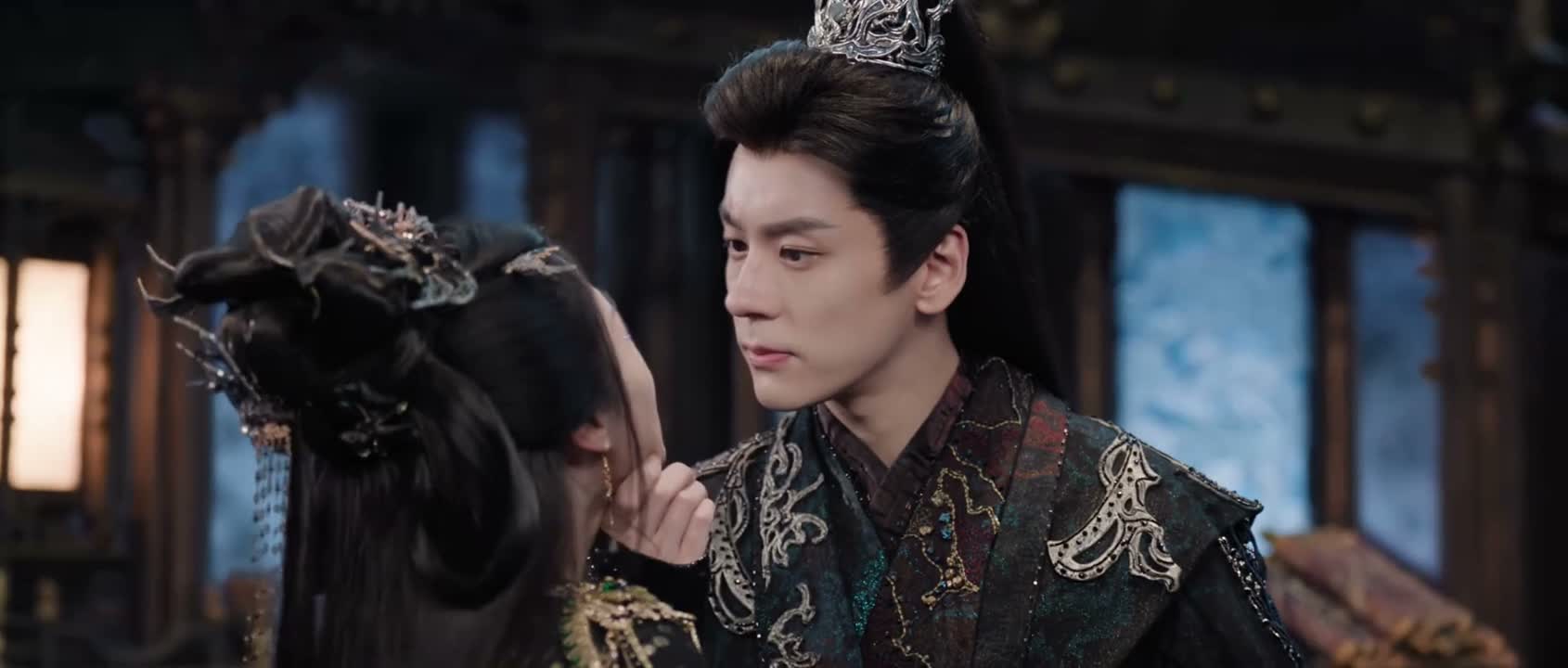
“I really don't know. I...”

“Where is she now? I don't know. Say it again! I really don't know!”
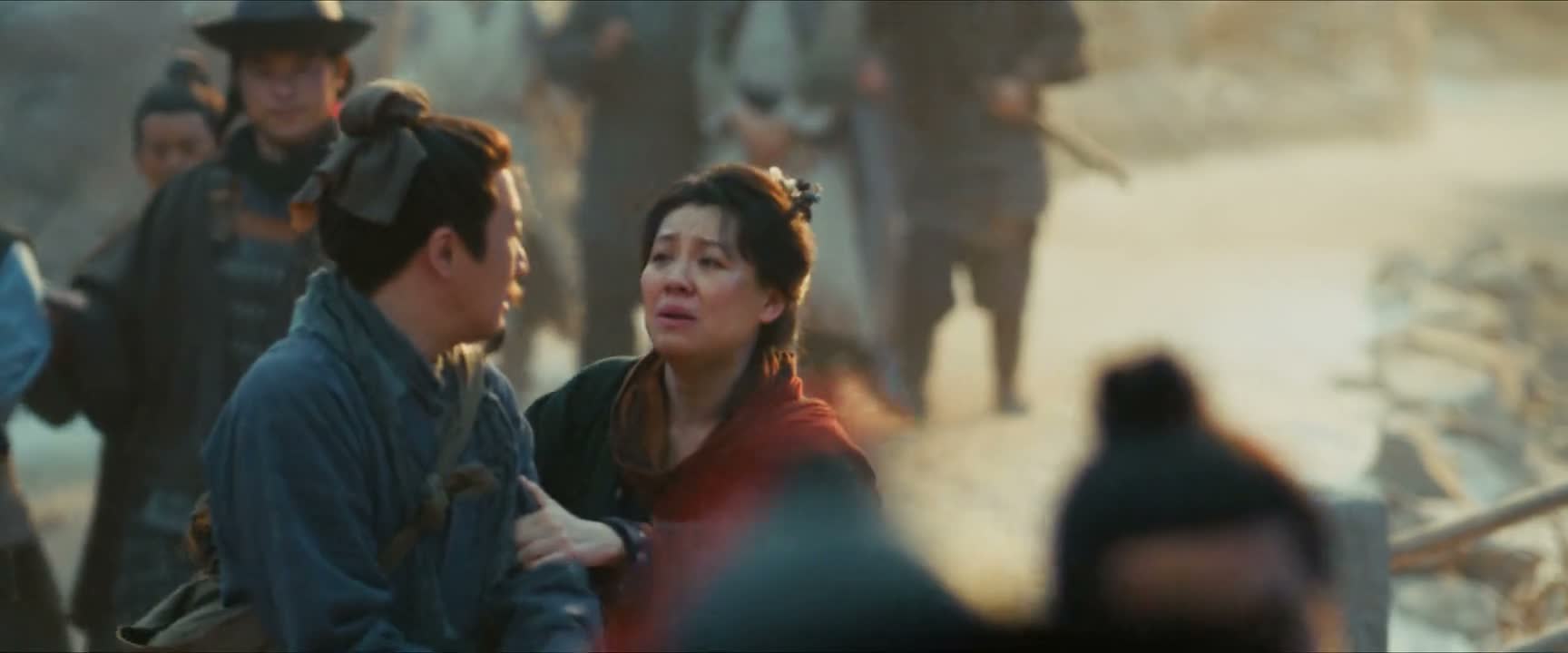
“I don't know where she is now.”

“I don't know. I truly don't know.”

“I don't know whom she is like in temper.”

“I really don't know how that gun got in my car.”