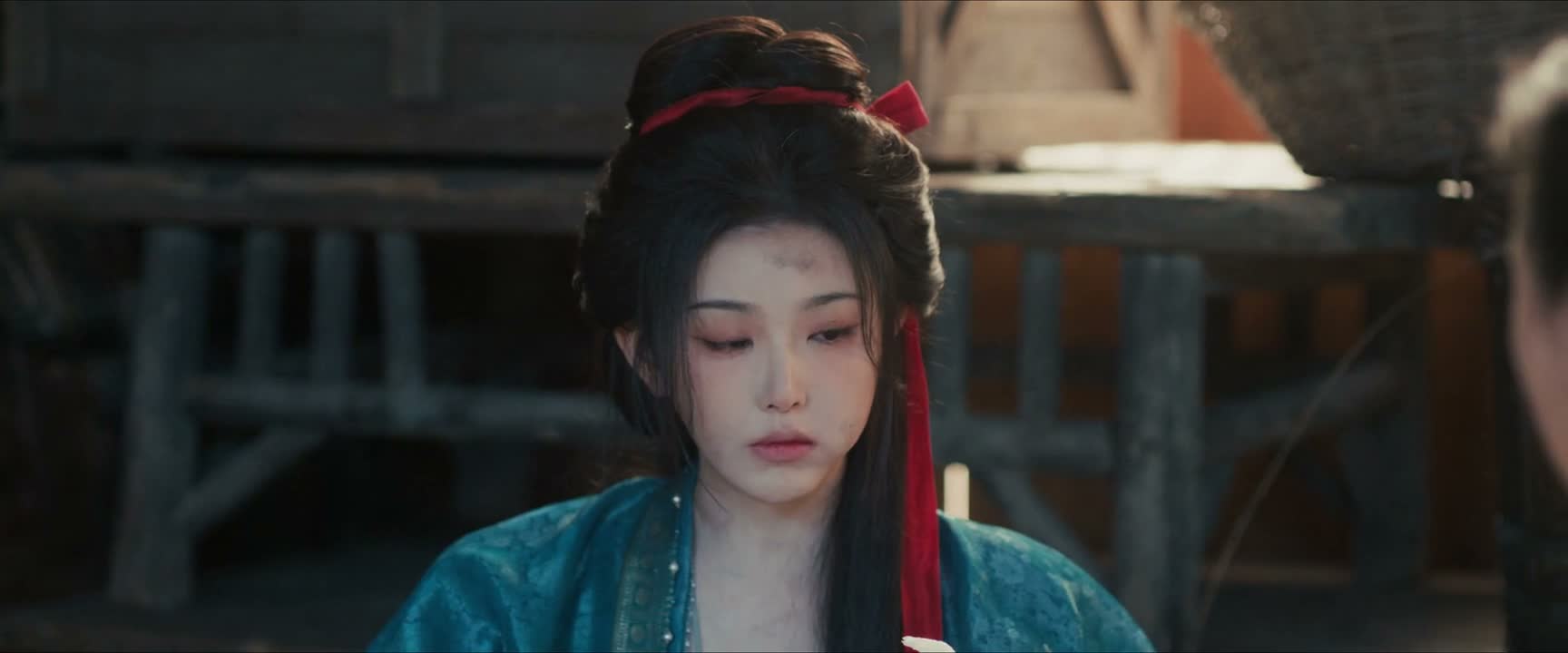
《Unsettled Case》 S1·E1 (46:10)
HSK 4
wèi shén me wǒ gǎn jué zhè shì nǐ gàn de hǎo shì ?
为什么我感觉这是你干的好事?
“Why do I feel like I've got you to thank?”
《Unsettled Case》
S1·E1
TIMECODE: 46:10
·
1080P MASTER AUDIO
THE DIALOGUE REEL
[-1] PREVIOUS TURN
dí kè sēn tàn yuán
迪克森探员
“D.C. Dixon.”
wèi shén me wǒ gǎn jué zhè shì nǐ gàn de hǎo shì ?
CURRENT FOCUS
为什么 我 感觉 这是 你 干的好事 ?
“Why do I feel like I've got you to thank?”
Subtitles synced to millisecond timecode
Browse Show Clips →
Scene:
Legal & Police
Function:
ACCUSING PLAYFULLY
Tone:
IRONIC
Emotion:
SUSPICION
WHAT THEY REALLY MEAN (PRAGMATIC SUBTEXT)
“I know you are behind this mess, so admit it.”
💡 Cultural Insight: Antiphrasis (Sarcastic Inversion)
Calling a screw-up or mischief a 'good deed' (好事) is a staple of Mandarin irony used between familiar peers to confront blunders.
INTENT TAGS:
#confrontation
#suspicion
#irony
#demanding_explanation
🧩
2 CHUNKS · 0 PARTICLES
LEARNING CHUNKS & PARTICLES
干的好事
SPOKEN CHUNK
fine handiwork; mess someone made
Almost universally used ironically to blame someone for causing a disaster or mischief.
为什么我感觉
SPOKEN CHUNK
why do I get the feeling that...
A soft yet probing conversational starter to raise an intuitive suspicion without presenting hard proof.
🏮
4 EXPR · 6 GRAMMAR
VOCABULARY & EXPRESSIONS
COLLOQUIAL EXPRESSIONS:
CROSS-CINEMA CORPUS BOARD · PARALLEL SCENES
EXPLORE BY SEMANTIC SIMILARITY
Parallel Spoken Cinema Scenes (语义近邻切片)
《Unsettled Case》 S1·E1 (46:10) · Authentic Cinema Dialogue Corpus