邻居看到了 要说你虐待老人 可是那是我家
“If the neighbors see, they'll think you're neglecting her. But it's my home.”
THE DIALOGUE REEL
每次老太太在走廊等那么长时间
“She's been waiting in the hallway every time.”
邻居 看到了 要说 你 虐待老人 可是 那是 我家
“If the neighbors see, they'll think you're neglecting her. But it's my home.”
我没法把密码告诉她
“I can't just give her the code.”
“I care about social gossip, but I refuse to lose my private boundary in my own house.”
Traditional Chinese culture places extreme social pressure on filial piety and caring for elders, creating friction when younger generations seek personal space and privacy in modern urban life.
LEARNING CHUNKS & PARTICLES
mistreating the elderly
Carries severe moral stigma in Chinese society; often invoked when discussing filial piety and public perception.
but that is my home
Used firmly to establish individual boundaries and property autonomy against collective or familial intrusions.
Indicates the conditional occurrence of the neighbors noticing the situation.
VOCABULARY & EXPRESSIONS
Parallel Spoken Cinema Scenes (语义近邻切片)

“We're neighbors. Would I really call the police?”
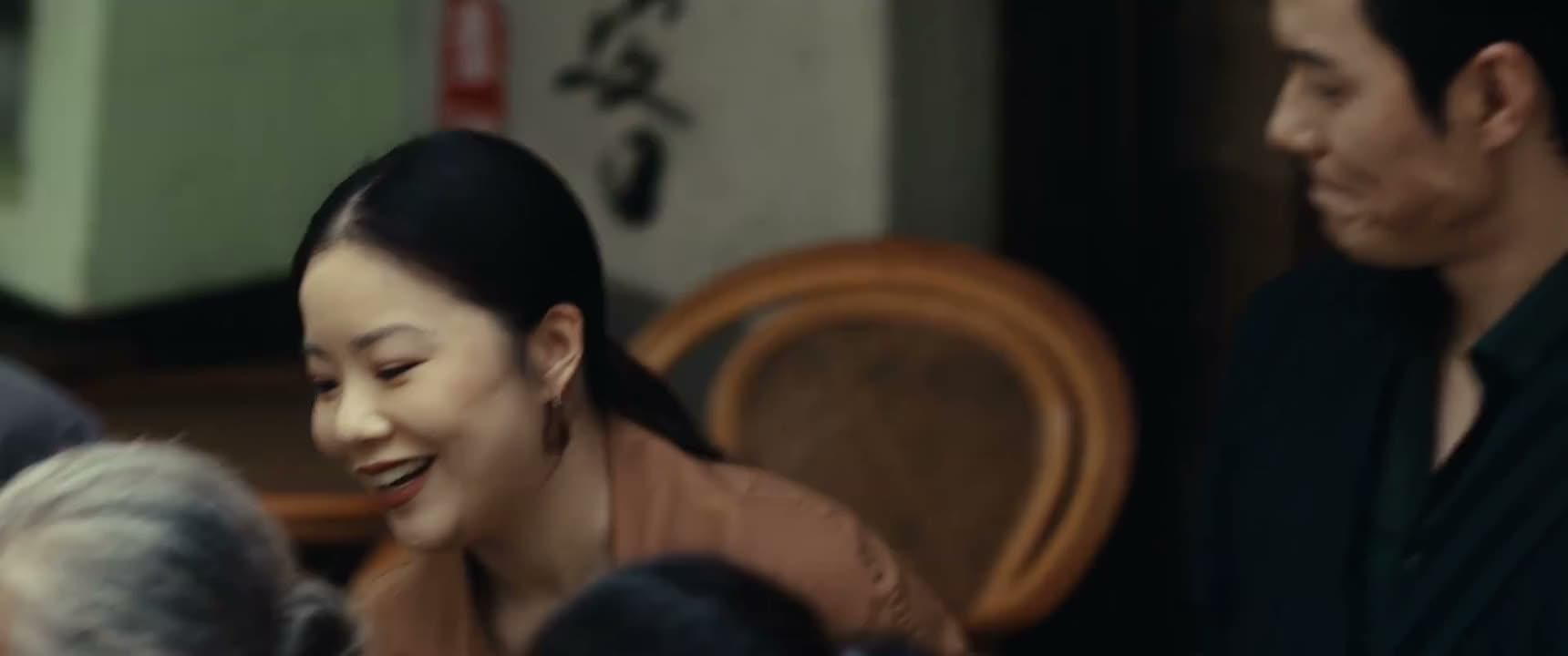
“Grandma, we are all familiar neighbors here.”

“But elderly care can't be neglected. Yes.”