都什么时候了 你们也不着急
“At a time like this, aren't you anxious?”
THE DIALOGUE REEL
爹
“Father.”
都什么时候了 你们 也不 着急
“At a time like this, aren't you anxious?”
急什么
“What's there to be anxious about?”
“Wake up! The house is practically burning down and you are doing nothing!”
Using rhetorical temporal questions like '都什么时候了' is a quintessential Chinese way to vent frustration over mismatched senses of urgency.
LEARNING CHUNKS & PARTICLES
look what time it is / at a time like this
A rhetorical question used to express exasperation at someone failing to recognize the urgency of the moment.
not anxious / not in a rush
Used either to reassure someone or, in negative contexts, to complain about someone's excessive nonchalance.
Signifies that the situation has escalated to an extreme point where patience has run out.
VOCABULARY & EXPRESSIONS
Parallel Spoken Cinema Scenes (语义近邻切片)

“- about the second ke of the Xu hour? - No.”

“What do you mean?”

“I can't remember the exact date.”

“How can you still think about these things?”
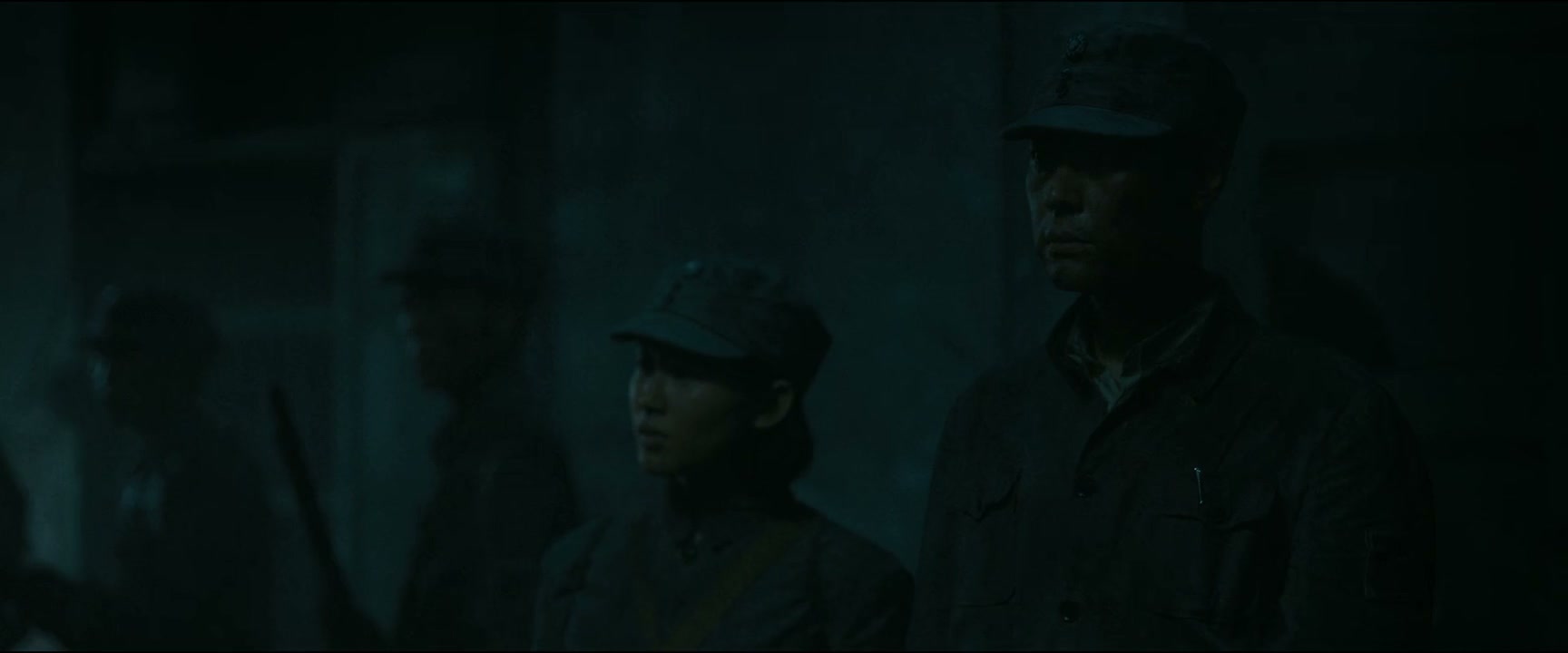
“What's wrong with singing? What time is it now?”
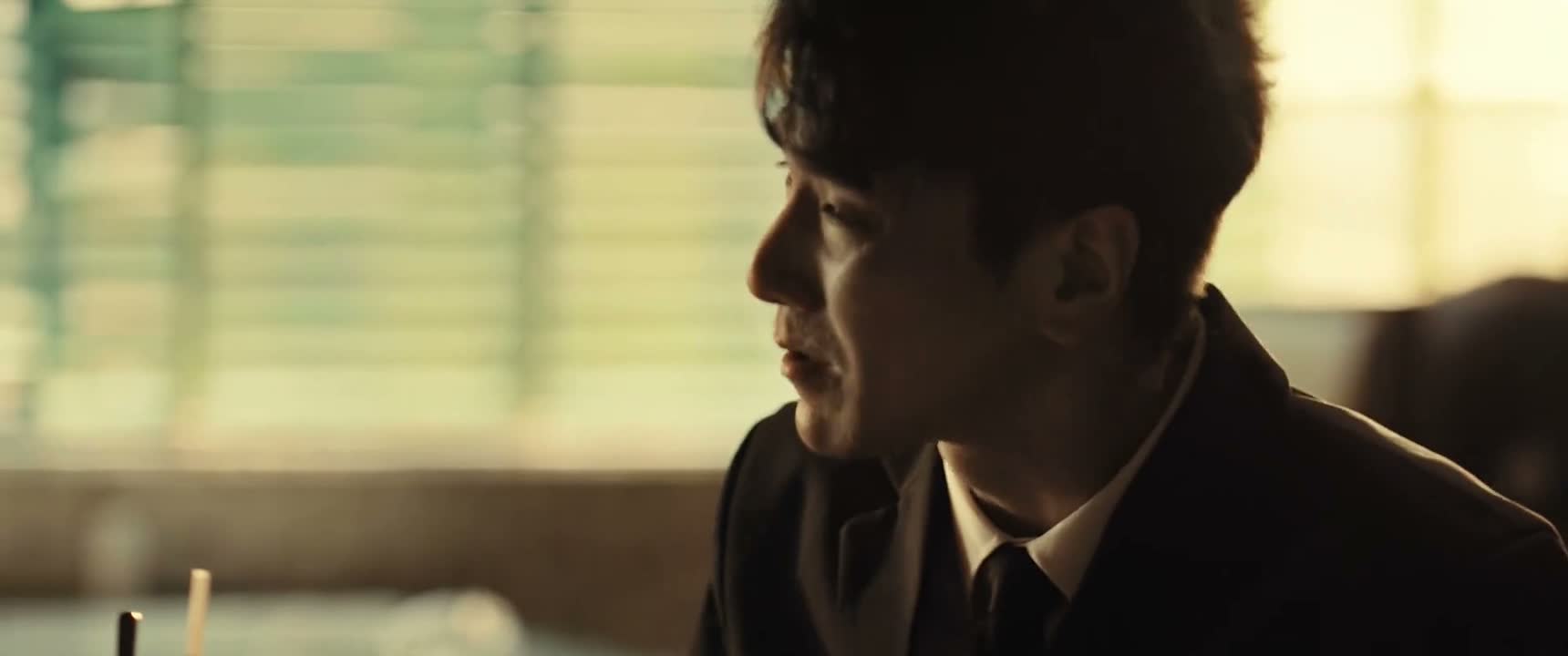
“At a time like this, who cares about preserving the original novel?”

“You're drinking at this moment?”