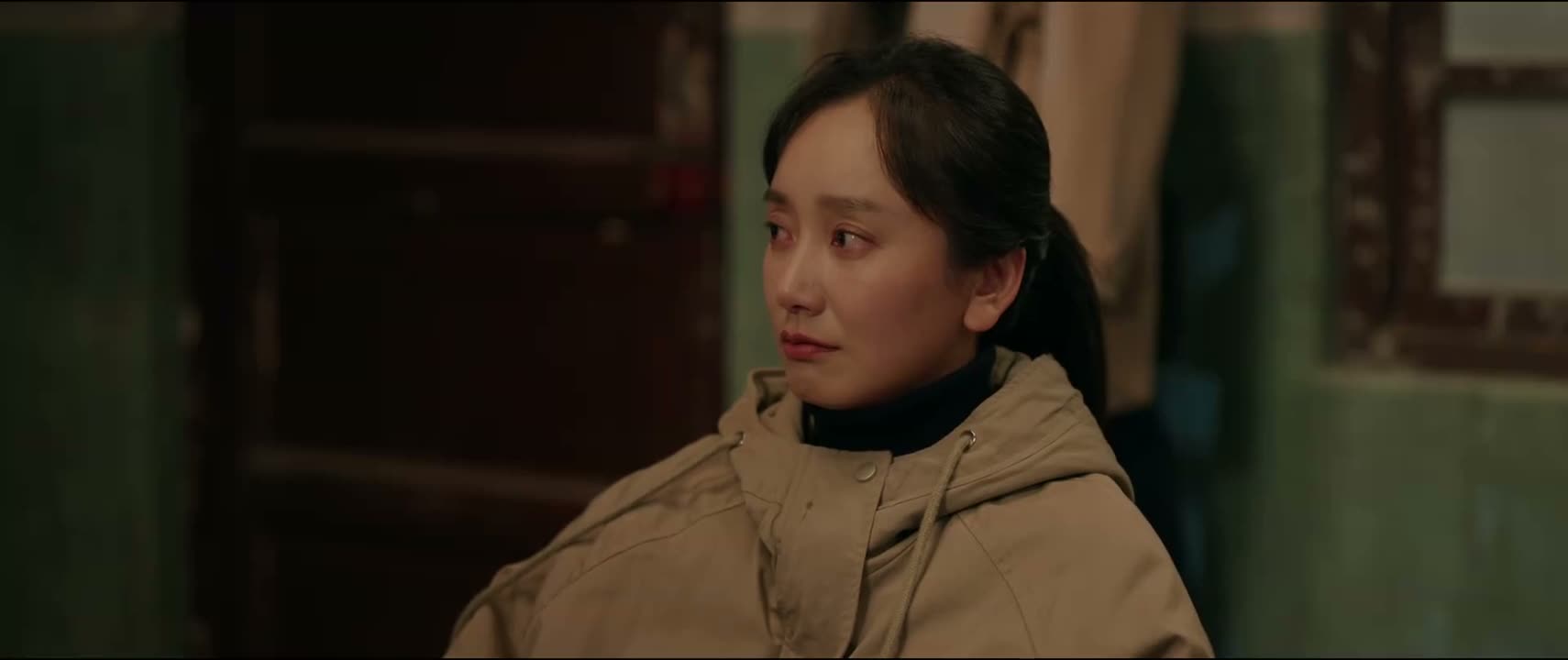
你不是想知道我有没有原谅你吗?
“You also want to know if I have forgiven you.”
THE DIALOGUE REEL
“You want to know how I've been all these years.”
你不是想知道 我 有没有原谅 你 吗 ?
“You also want to know if I have forgiven you.”
你若是去了
“If you die,”
“Do not throw your life away, because you will never get my forgiveness if you die.”
In Chinese dramatic narratives, withholding or granting forgiveness is often treated as the ultimate emotional currency, capable of altering a character's life-or-death decisions.
LEARNING CHUNKS & PARTICLES
didn't you want to know...
A rhetorical prompt used to bring up an issue the listener previously cared deeply about, often to capture their urgent attention.
whether or not
Standard affirmative-negative structure used to form an embedded yes-no question.
Marks a rhetorical question that prompts the listener to confront an unresolved desire.
VOCABULARY & EXPRESSIONS
Parallel Spoken Cinema Scenes (语义近邻切片)

“can I take it that you've forgiven me?”

“will you forgive me?”

“Does this mean you've forgiven me?”

“Will you forgive me?”
“Please forgive me.”

“How can you expect me to forgive you?”