与其在你们队里晃悠让人烦 还不如自觉一些
“Rather than wandering around your team and causing people annoyance, it's better for me to have some self-awareness.”
THE DIALOGUE REEL
“I don't have any special value anymore.”
与其 在你 们队里 晃悠 让人烦 还不如 自觉一些
“Rather than wandering around your team and causing people annoyance, it's better for me to have some self-awareness.”
“I know nobody wants me around here anymore, so I might as well leave before you kick me out.”
In Chinese social culture, 'zijue' means having the tact to know when one is not welcome and gracefully withdrawing to protect one's dignity and avoid causing awkwardness.
LEARNING CHUNKS & PARTICLES
rather than... it is better to...
A classic comparative grammatical pattern used to weigh two undesirable options and choose the preferred one.
to annoy people / to be a nuisance
Used to describe behavior or presence that causes irritation to others.
to show some tact / to be more self-aware
Used either to reprimand someone for lacking awareness or, as here, to self-deprecatingly claim one should take a hint.
VOCABULARY & EXPRESSIONS
Parallel Spoken Cinema Scenes (语义近邻切片)

“He isn't happy on this team, and he doesn't want to be part of it.”

“He's the only one on the team I can actually talk to.”

“I'm part of the team, after all.”
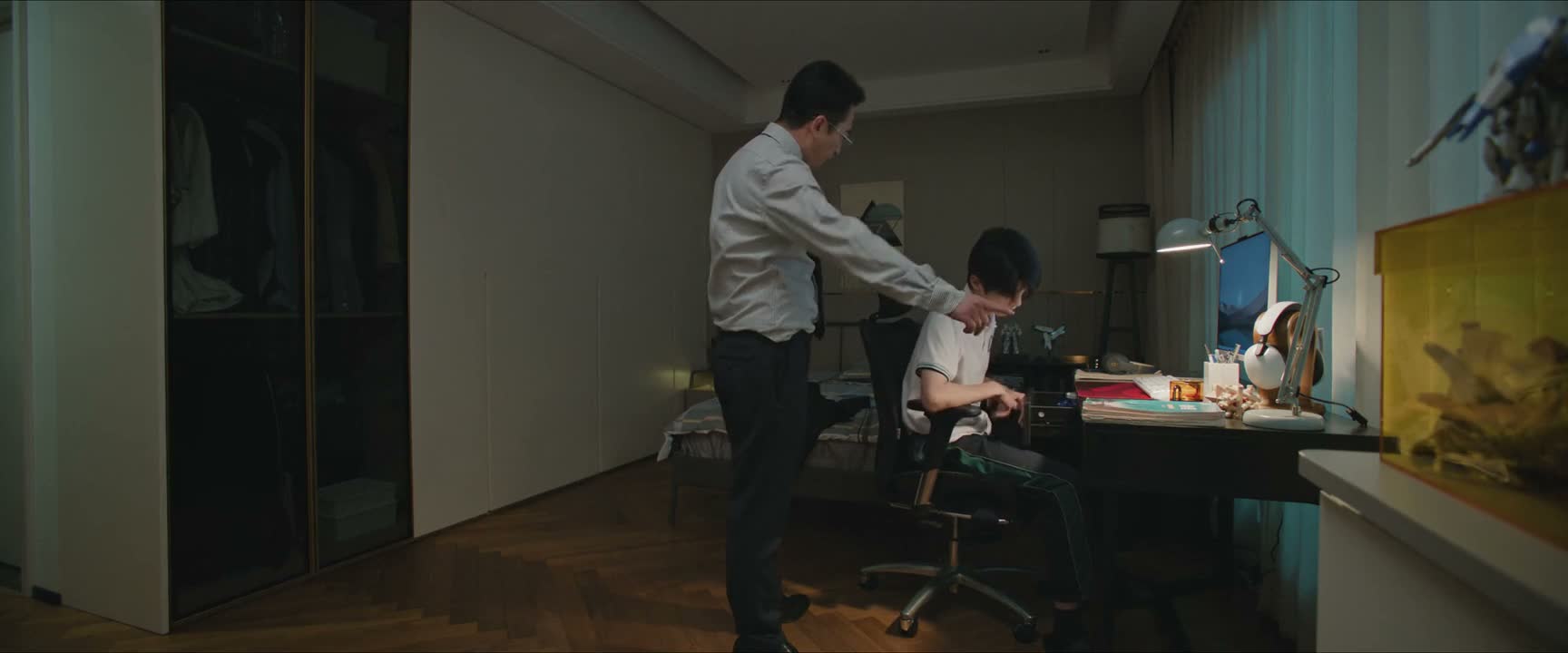
“stop messing around with that bottom-tier team. You just wouldn't listen.”

“Why are you so calm? One team member is missing.”

“if you were still in the team, you would find out the truth, right?”