分明知道害死我全家的人是谁 他为何不说?
“He clearly knows who killed my whole family. Why won't he say it?”
THE DIALOGUE REEL
不要功亏一篑 他分明知道下毒之人是谁
“Don't let it all be for nothing. He clearly knows who poisoned me.”
分明知道 害死 我全家的人 是谁 他 为何不说 ?
“He clearly knows who killed my whole family. Why won't he say it?”
“But he didn't stop you from digging deeper.”
“Why is he hiding the killer's identity from me? What game is he playing with my family's tragedy?”
Avenge of one's slaughtered family represents a paramount moral imperative in traditional Chinese narrative frameworks.
LEARNING CHUNKS & PARTICLES
clearly know; obviously know full well
Used to emphasize unmistakable awareness, often before raising an accusation or expressing disbelief.
murdered my whole family
A dramatic phrase expressing ultimate grievance and trauma in historical or crime narratives.
why not speak up; why not reveal it
A slightly formal, rhetorical way of demanding an explanation for someone's silence.
VOCABULARY & EXPRESSIONS
Parallel Spoken Cinema Scenes (语义近邻切片)

“Did I kill all those people who died in her family?”
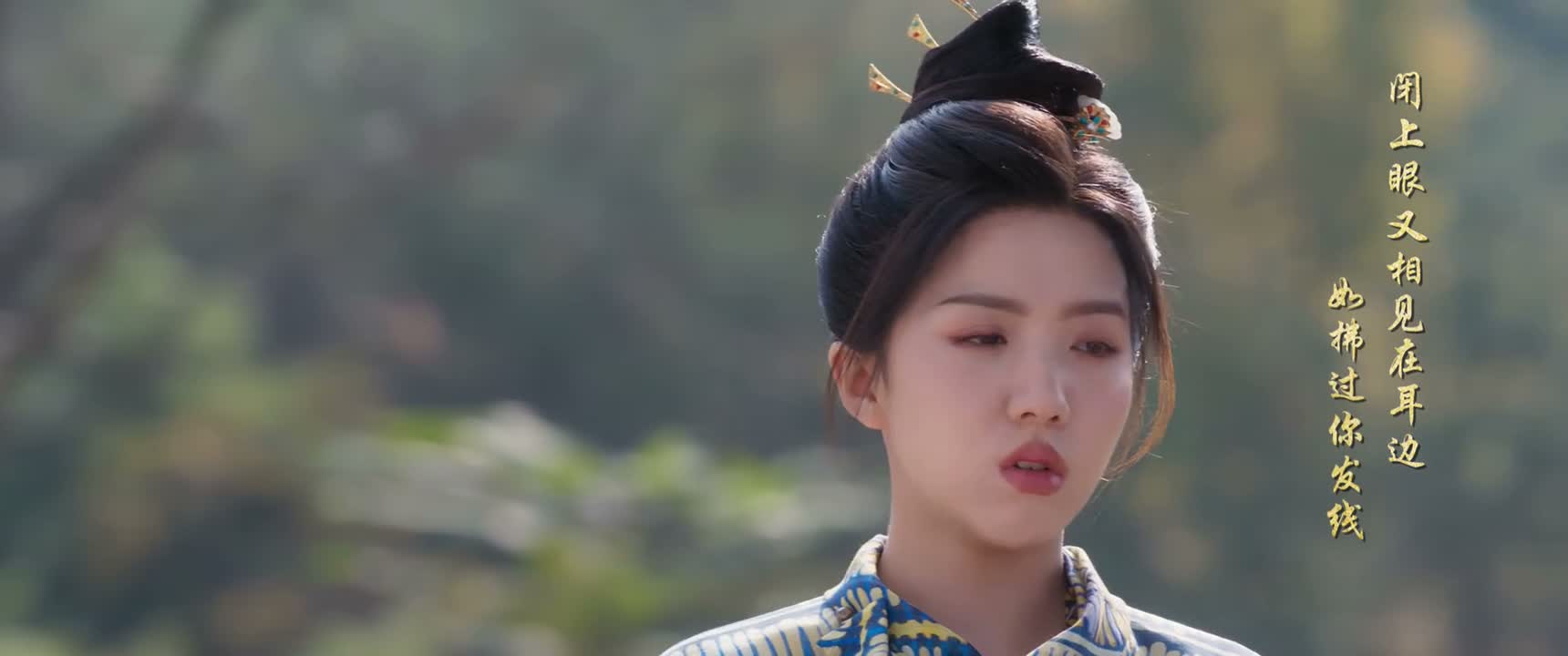
“I just know that he is a murderer.”
“You killed your whole family.”

“I didn't kill him. You did.”

“Right now, I just want to know who killed my father.”

“♪ Lighting up the pedestrians' faces ♪ In a fit of rage, I killed his whole family.”