他们家死的这些人都是我杀的吗
“Did I kill all those people who died in her family?”
THE DIALOGUE REEL
他们家 死的这些人 都是我 杀的吗
“Did I kill all those people who died in her family?”
“Stop pinning every single death on me—it is ridiculous and unfair!”
In Chinese disputes, parties often employ extreme rhetorical questions to make the opposing accusation appear completely unreasonable and groundless.
LEARNING CHUNKS & PARTICLES
did I kill every single one of them?
A classic rhetorical pattern '都是...的吗' used to repudiate exaggerated blame or scapegoating.
Marks a rhetorical question that carries a forceful negative assertion.
VOCABULARY & EXPRESSIONS
Parallel Spoken Cinema Scenes (语义近邻切片)

“♪ Lighting up the pedestrians' faces ♪ In a fit of rage, I killed his whole family.”

“He clearly knows who killed my whole family. Why won't he say it?”

“Right now, I just want to know who killed my father.”
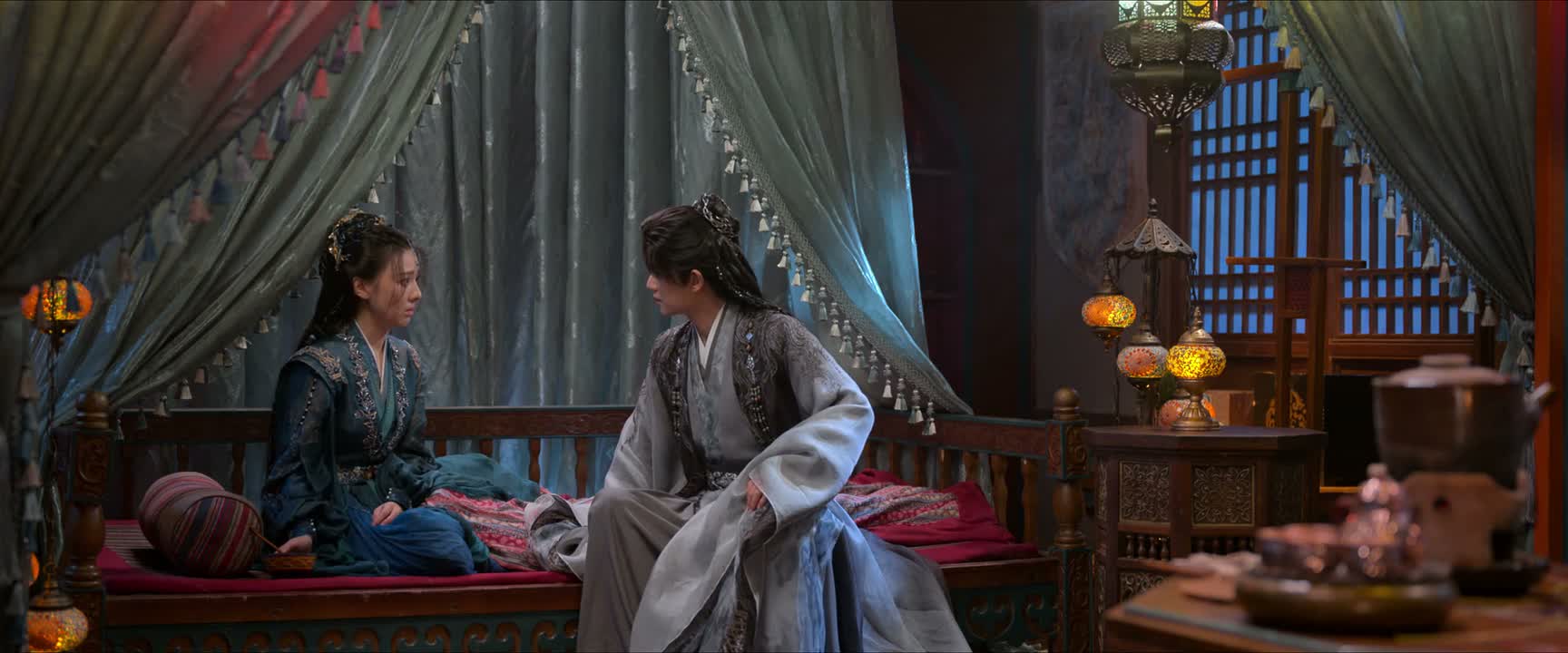
“How did they die?”

“[Wanted] [Notice] Their entire household was slaughtered.”
“[Ta-fu] You guys fucking killed my daughter!”