装神弄鬼 自毁卖乖
“She's just playing tricks and acting pitiful.”
THE DIALOGUE REEL
那孩子的事 圣上也一定知道了
“About that child's situation, Your Majesty must know already.”
装神弄鬼 自毁卖乖
“She's just playing tricks and acting pitiful.”
“No matter what she does, it won't surprise me.”
“She is totally shameless—she will even injure herself and fabricate supernatural nonsense just to look innocent.”
Using successive four-character idioms (Chengyu-like patterns) is a classic rhetorical device in spoken Chinese to deliver a rhythmic, devastating critique of character.
LEARNING CHUNKS & PARTICLES
playing tricks; practicing deceitful mysticism
A common four-character idiom criticizing someone for using deceptive, mysterious, or fraudulent tricks to mislead others.
acting docile or ingratiating oneself to gain favor
Describes feigning good behavior or obedience solely for personal gain.
VOCABULARY & EXPRESSIONS
Parallel Spoken Cinema Scenes (语义近邻切片)

“kind of considerate, aren't they— putting on all this ghostly showmanship.”
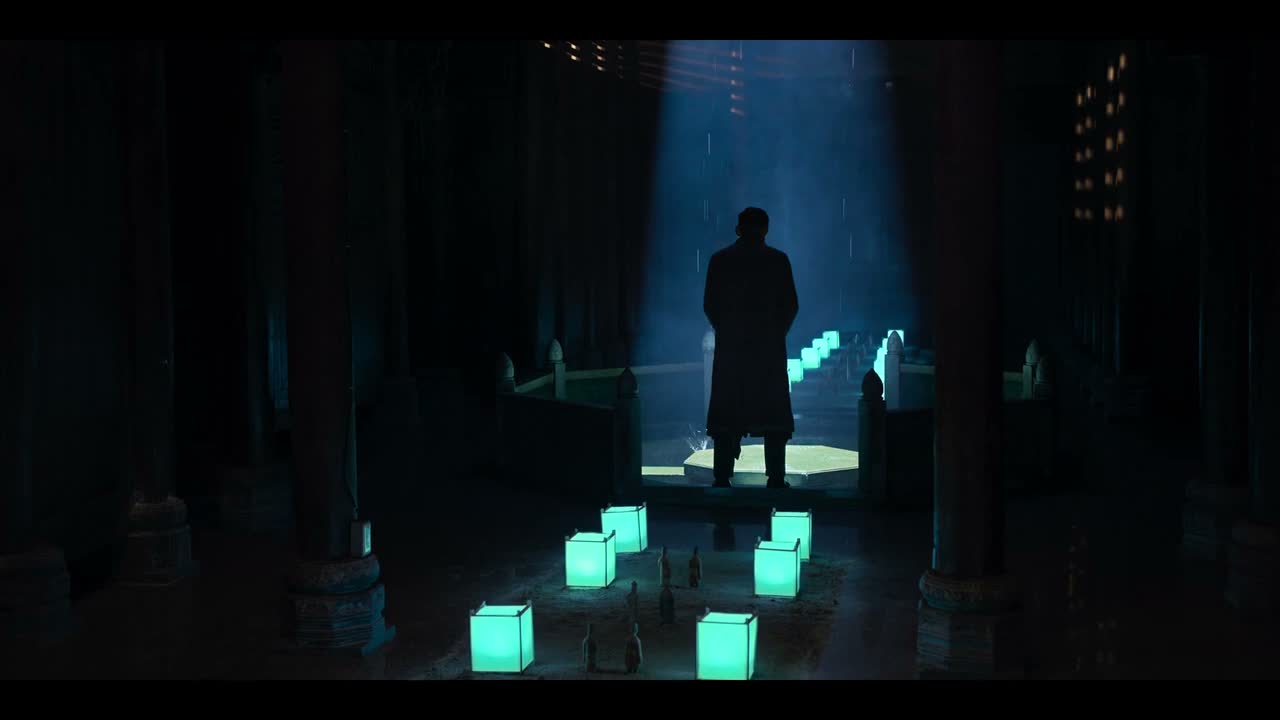
“[man] He's playing mysterious.”

“Enough tricks.”

“Someone's playing tricks.”

“Silly tricks. Go have fun somewhere else.”

“Trying to scare me and taking advantage of me.”