你说这车是偷的呀 这怎么能是我偷的呢 太爷
“Did you say this cart was stolen? How could I have stolen it, Master?”
THE DIALOGUE REEL
有坑 有坑 慢点 慢点 慢点 等一等
“Watch out for the bump! Slow down. Wait.”
你说这 车 是 偷的 呀 这 怎么能是 我 偷的 呢 太爷
“Did you say this cart was stolen? How could I have stolen it, Master?”
你给我的钱
“The money you gave me,”
“Do you really think so poorly of me that I would steal a vehicle?”
Calling an elder '太爷' denotes high familial seniority; appealing to kinship terms during a dispute shows deference while asserting innocence.
LEARNING CHUNKS & PARTICLES
how could this possibly be...
A rhetorical phrase used to strongly refute a false accusation or absurd proposition.
Adds an element of astonishment or curiosity to the opening question.
Highlights the rhetorical nature of the question and reinforces defensive disbelief.
VOCABULARY & EXPRESSIONS
Parallel Spoken Cinema Scenes (语义近邻切片)

“could it be a carjacking?”

“After that, I used every means to investigate who the owner was.”

“I mean this car is suspicious.”

“downstairs before. That car isn't yours.”
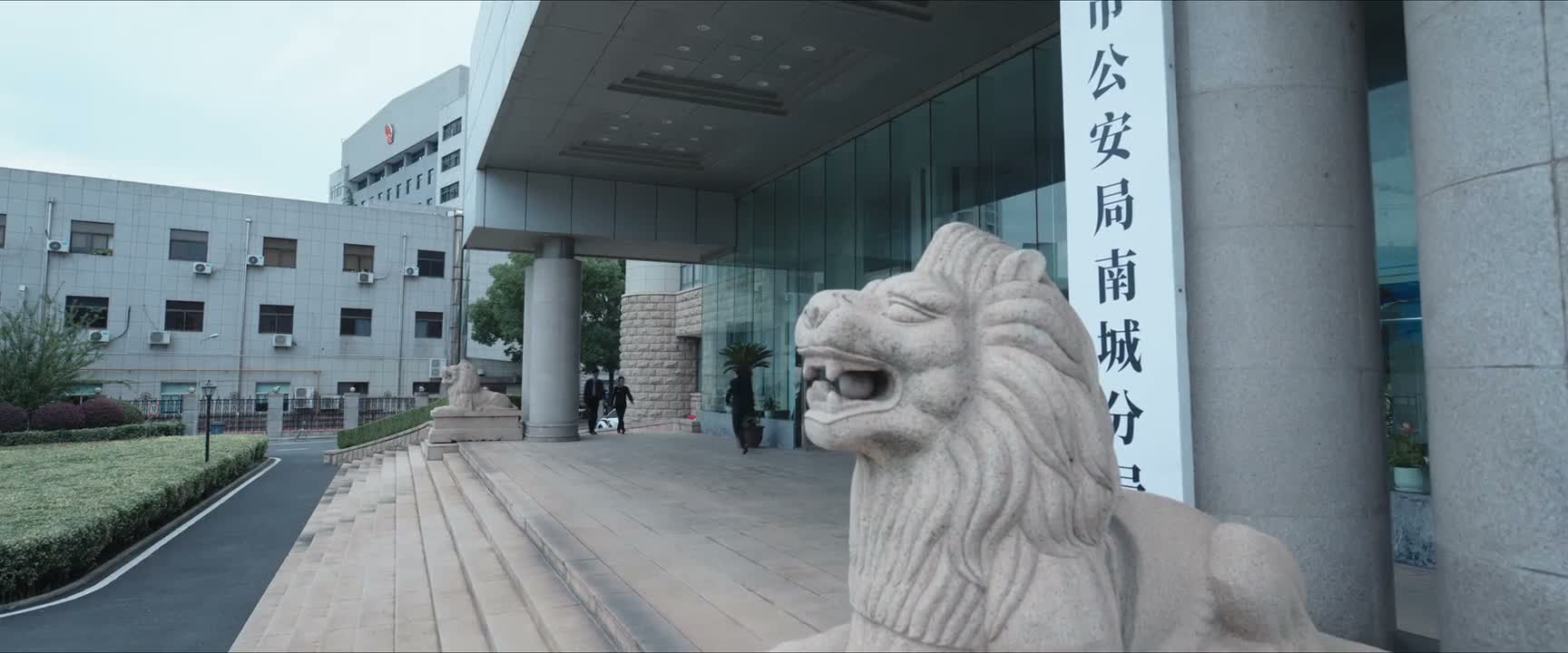
“You asked me to investigate that car. I found the owner”

“After all, Liao wasn't the one driving.”