怎么我就想 乱七八糟的事了呢
“Why do I think about something that is messy?”
THE DIALOGUE REEL
“and don't think about something that is messy from morning to night.”
怎么 我 就想 乱七八糟的事 了呢
“Why do I think about something that is messy?”
这个店
“The money”
“I'm not being irresponsible, stop dismissing my ideas!”
In close Chinese relationships, people often bluntly dismiss others' concerns as 'thinking messy thoughts' (乱七八糟), prompting immediate verbal resistance.
LEARNING CHUNKS & PARTICLES
in a mess; chaotic; improper or irrelevant
A very common four-character idiom used to describe physical clutter or disorganized, improper thoughts.
why on earth do I / how come I
Used to express grievance or to push back against an unfair accusation.
Marks the realization of a perceived change or status asserted by the interlocutor.
Softens the rhetorical question while highlighting the speaker's perplexity and indignation.
VOCABULARY & EXPRESSIONS
Parallel Spoken Cinema Scenes (语义近邻切片)

“Stop any wild idea. Got it?”
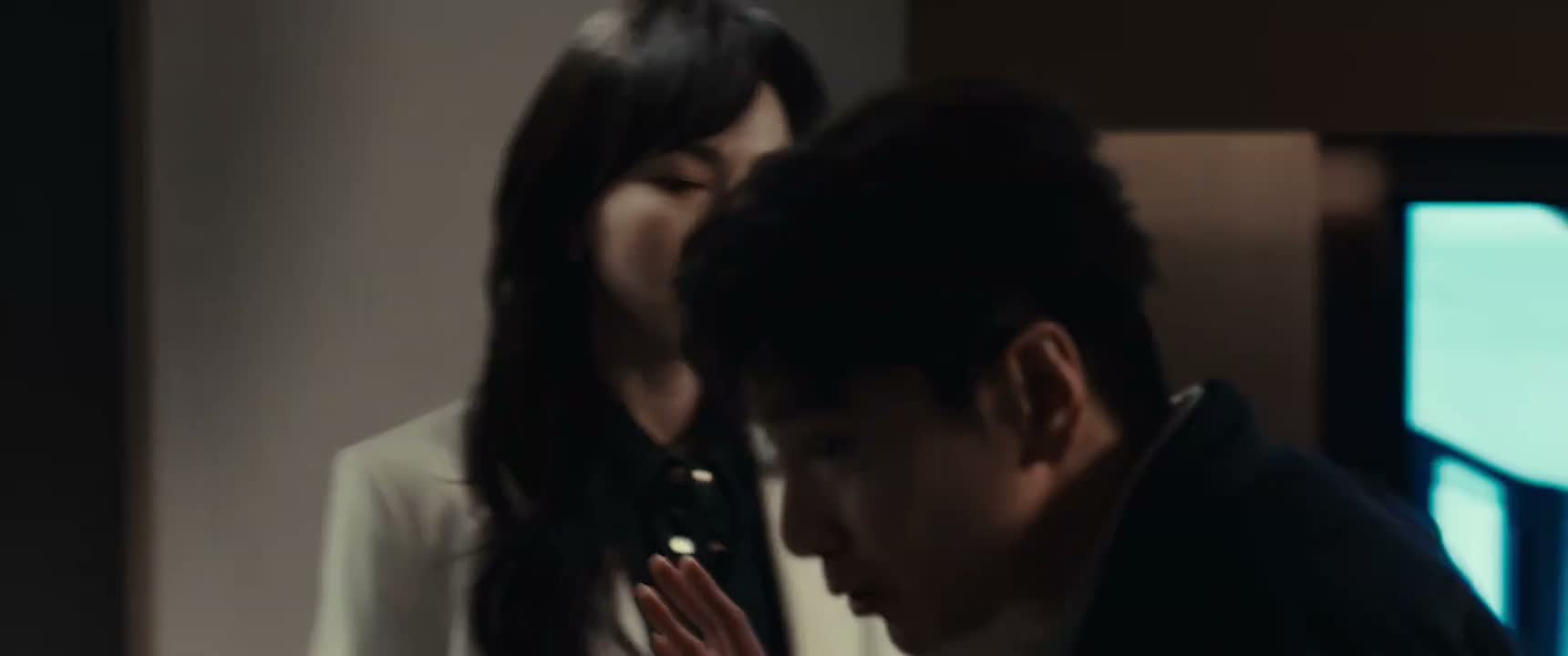
“doing any bad stuff you're imagining. Of course you wouldn't admit it.”

“So many things have been in chaos lately,”

“in the balcony cabinet. I have to throw them away.”

“What nonsense? What do you know?”

“You're deliberately trying to mess with my mind.”