吃饭呢 你看什么报纸
“Eat up. You can read later.”
THE DIALOGUE REEL
吃饭 呢 你看 什么 报纸
“Eat up. You can read later.”
“I'm searching for news about the young man last night.”
“Put that paper down and focus on your meal.”
In Chinese domestic culture, mealtimes are viewed as a communal focus; engaging in outside distractions is often viewed as disrespectful or unhealthy.
LEARNING CHUNKS & PARTICLES
why are you reading the newspaper (rhetorical)
The 'verb + 什么 + noun' pattern is commonly used rhetorically to object to an ongoing activity.
Emphasizes the ongoing action of dining to highlight the inappropriate timing of reading.
VOCABULARY & EXPRESSIONS
Parallel Spoken Cinema Scenes (语义近邻切片)
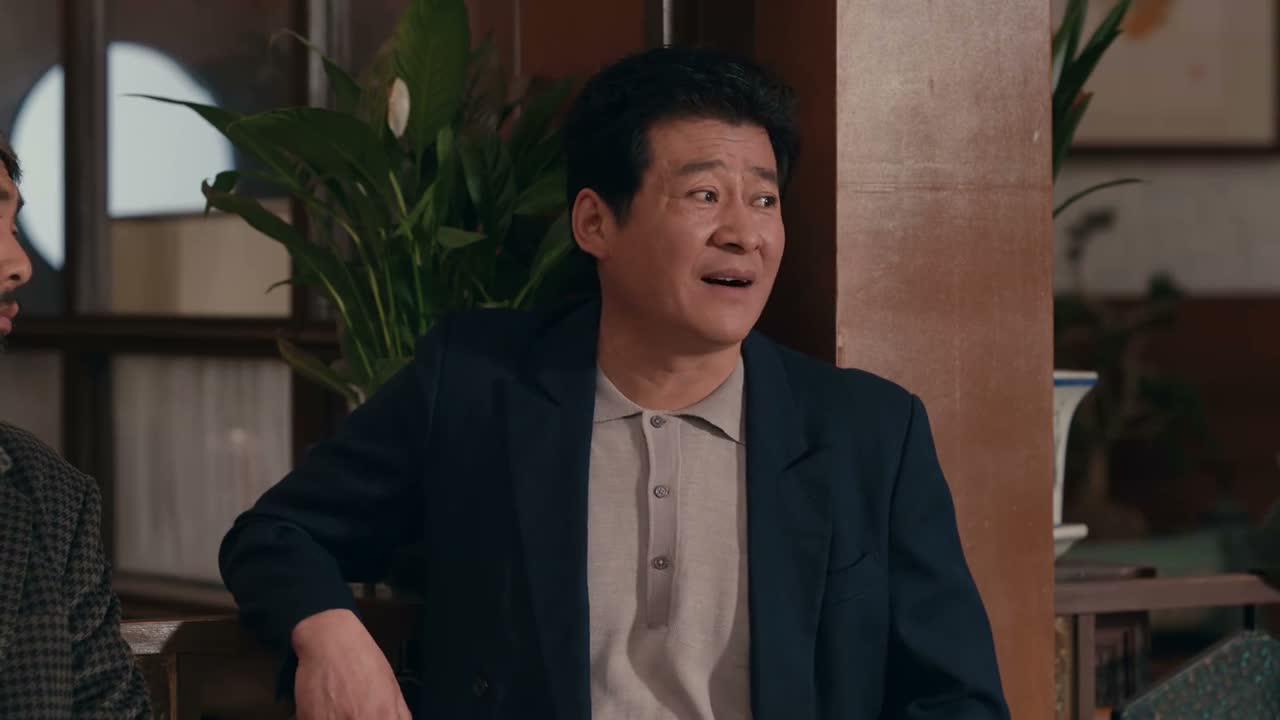
“rely on these businesses to survive. Right? Yes. Everyone, calm down.”

“If we eat, it'll probably be after dinner. Remember to submit your draft today.”

“My treat! What treat?”

“It's food. What's this?”

“Don't skip meals. Take care of yourself.”
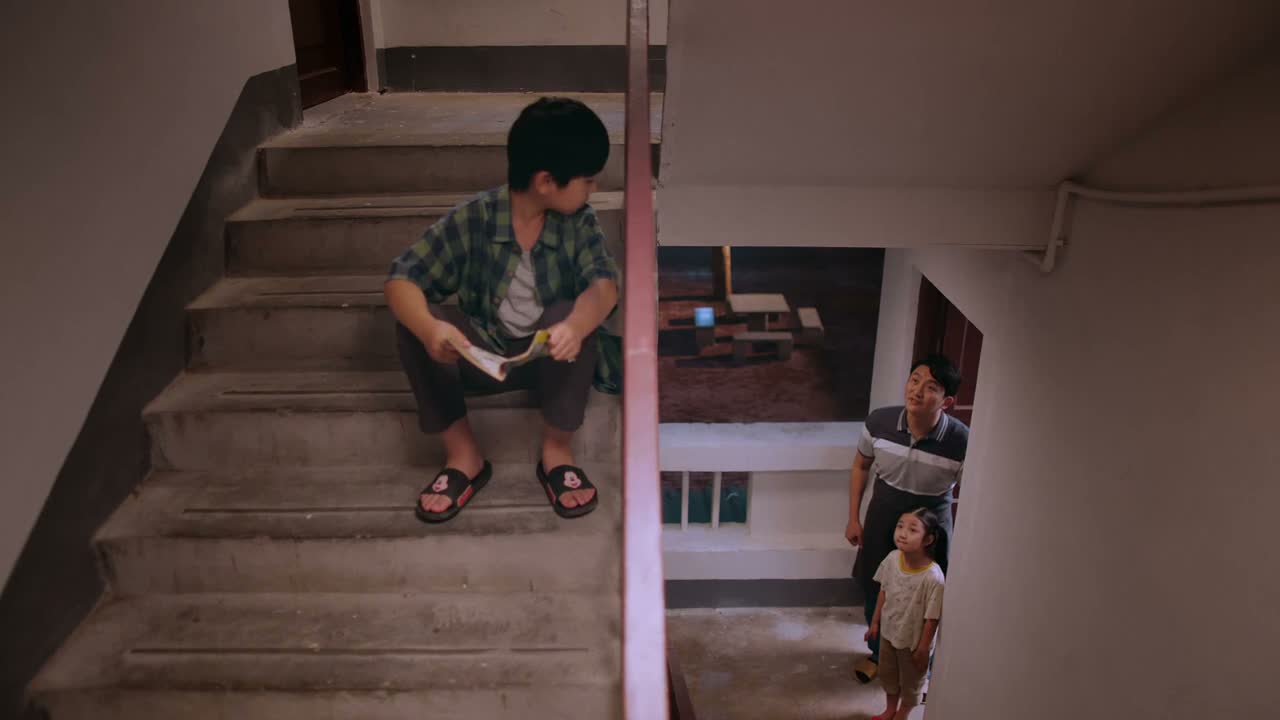
“Did you have dinner?”